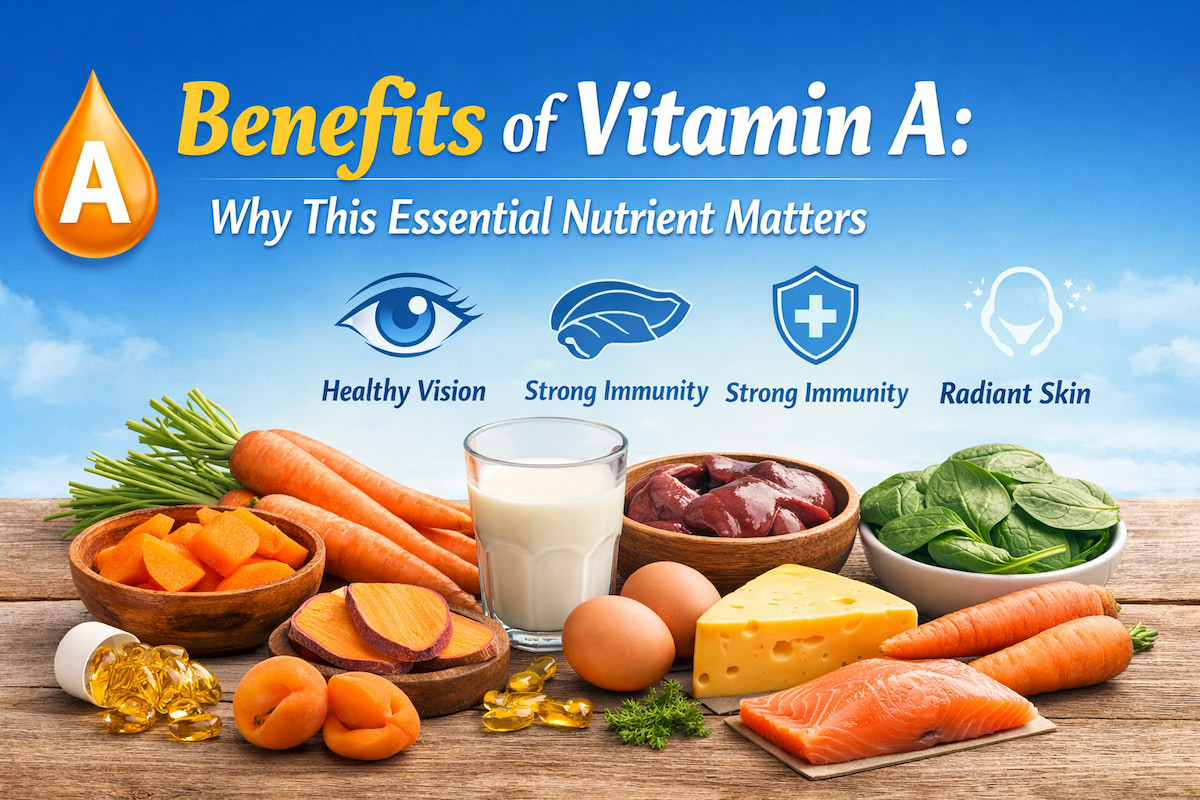
Vitamin A is a crucial micronutrient that has become central to the overall health maintenance. It helps in vision, immunity, renewal of the skin, normal cell growth. Although it is needed in comparatively small doses, its effects on the body are great. Deficiency in vitamin A may be disastrous to one and excess consumption may also be detrimental. Knowing the mechanism of action of vitamin A and the safe ways to take it is vital in the long-term health.
This nutrient is particularly essential in the growth period, pregnancy, and immune stressful periods. A natural diet taken in its right proportions provides the body with its advantages without taking undue risks.
What Is Vitamin A?
Vitamin A is a vitamin that the body stores in liver and utilizes when required as it is a fat-soluble vitamin. It is involved in differentiation of cells, immune protection, and the health of other organs like the eyes, skin and lungs. Vitamin A is fat-soluble and therefore it is better absorbed when taken with the dietary fats.
The body is not able to synthesize vitamin A, and thus it has to be acquired through diet or in other circumstances through supplementation.
Types of Vitamin A
Vitamin A is found in two broad forms which have different functions to the body.
Parsomethylxanthine (Phenylbutazone)
This type is present in foods of animal origin and it can easily be utilized by the body. It contains retinol and retinal, which are valuable to the eyesight and cells.
Provitamin A Carotenoids
These compounds occur in the plant foods and are metabolized to active vitamin A in the body. The carotenoid most common is beta-carotene and it is also an antioxidant.
The two forms are associated with the satisfaction of every day vitamin A requirements, however, they vary in terms of absorption and conversion efficiency.
Key Health Benefits of Vitamin A
Vitamin A is an essential nutrient that is particularly beneficial to the human body in the following ways.
Promotes Vision
Vitamin A plays a critical role in keeping the vision healthy especially when there is low light. It aids in the proper functioning of the retina as well as decreases the chances of night blindness. Proper intake guarantees benefits of eye and make sure eyes are well-protected in the long-run, and helps Vitamin A to their benefit in the long run.
Promotes Healthy Skin
The Benefits of vitamin A for skin includes cell renewal and repair. It aids in a smooth texture, lessens dryness and aids in healing. Dermatology tends to emphasize the positive effect of vitamin A on skin since it has an effect of producing collagen and regenerating cells.
Enhances the Immune System
Vitamin A is needed to ensure the integrity of the mucosal barriers and facilitate the action of white blood cells which are part of the immune system. Sufficient amount increases immunity against infections, and Vitamin A for immunity is crucial.
Supports Hair Health
Vitamin A helps to keep the scalp healthy, as it helps in the secretion of sebum, which makes the hair moisturized. Equilibrium in the consumption contributes to shine and strength, which shows Vitamin A benefits for hair.
Stimulates Cell Growth and Cell Development
Normal cell development and differentiation depend on vitamin A. It helps in the formation of bones, organs, and tissue healing, particularly in the childhood phase and pregnancy.
Read More: What Are Various Effects of Vitamin A Deficiency?
Dietary Sources of Vitamin A
Vitamin A is available in a number of foods, hence it is available in a balanced diet. Vitamin A rich foods are: Among the usual foods that contain vitamin A are:
- Liver and fish liver oils
- Dairy foods such as milk, cheese and butter.
- Egg yolks
- Pumpkin, sweet potatoes and carrots.
- Spinach, kale and other leafy vegetables.
- Mangoes and apricots
These Vitamin A sources contain carotenoids or preformed vitamin A both of which help in the daily requirements.
Recommended Daily Intake
The level of the required vitamin A is dependent on the age, gender as well as life stage. The daily doses needed by adults to stay healthy without the threat of overdose are usually moderate. Average daily needs are:
- Adult men: around 900 micrograms
- Adult females: approximately 700 micrograms.
- Women during pregnancy and lactation: a little more.
Intake of food to achieve these levels is generally safe and effective to the majority of the population.
Vitamin A Deficiency Symptoms
Shortage arises due to the low intake of diet. It occurs more in places where food is not especially varied, but may also happen as a result of a lack of absorption. Vitamin A deficiency symptoms are:
- Night blindness
- Dry eyes and skin
- Frequent infections
- Delayed wound healing
- Poor growth in children
Deficiency may cause severe eye defects and low immunity in case it is not treated.
Overdose of Vitamin A and Toxicity
Although vitamin A is needed, it is possible to have too much of it that leads to harmful consequences, particularly through Vitamin A supplements. Excessive vitamin A is deposited in the body, and can develop into a toxic concentration with time. Vitamin A toxicity may be displayed in the form of nausea, headaches, dizziness, aches in the joints and liver damage. Women who are pregnant are specifically cautioned not to take very high levels since overload of vitamin A will interfere with the development of the fetus.
A balance between intake and avoiding unnecessary supplementation is an important factor in safety.
Best Ways to Absorb Vitamin A
Vitamin A is a fat soluble vitamin; therefore, it is better taken in combination with the healthy fats. Vitamin A can be better used by the body with the inclusion of oils, nuts, seeds, or dairy in the meals. Tips for better absorption:
- Combine vegetables with olive oil or avocado.
- Two- Do not eat very low-fat diets.
- Lightly cook some vegetables to enhance the availability of carotenoids.
Vitamin A supplemental intake must never be undertaken without medical advice and supplements are only seen as an option when the food intake is inadequate.
Conclusion
Vitamin A is a vital vitamin which helps in the vision, immunity, skin and normal growth. Deficiency and excess of the same could cause complications to health and therefore balanced intake is essential. Most people have adequate vitamin A needed through the intake of diverse foods that are rich in nutrients. Knowing its origins, advantages, and safe usage allows to be guaranteed of long-term health without subjecting oneself to unnecessary risks.
Please book an appointment with the best Nutritionist in Lahore, Karachi, Islamabad and all major cities of Pakistan through Instacare, or call our helpline 03171777509 to find a certified doctor for your illness.