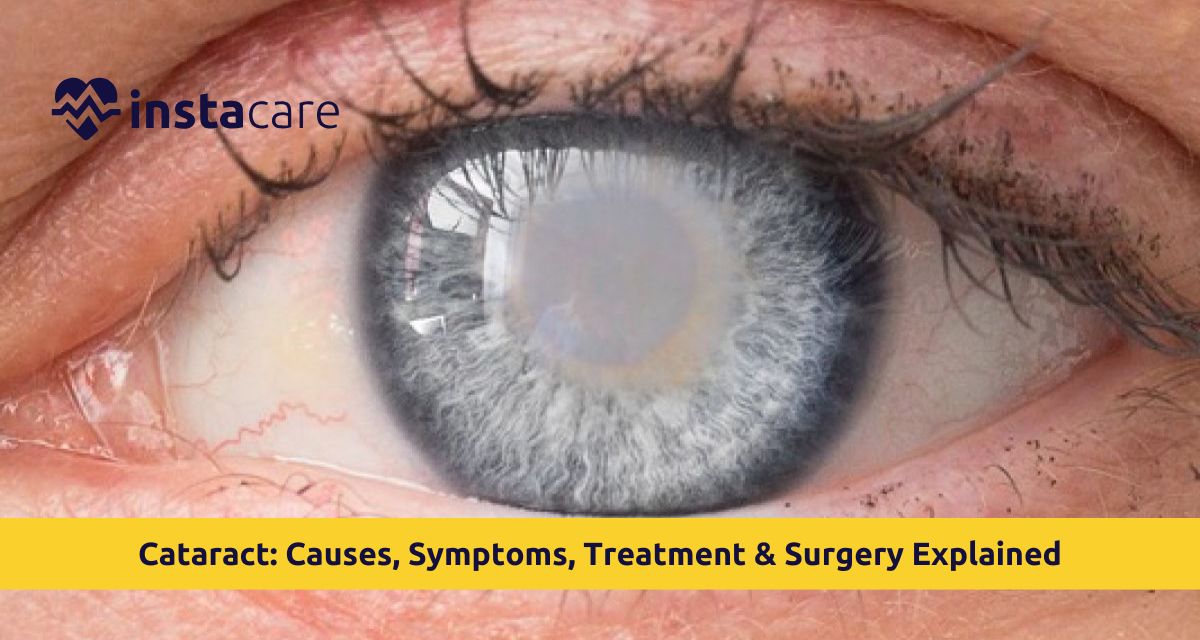
Cataract is probably the most common eye disorder in the world and commonly occurs in old adults. Cataract is one of the principal causes of visual impairment and blindness, both of which can be treated. It is vital to understand the disease of cataract for one to maintain his or her eye health, especially since one has been experiencing symptoms such as blurred vision, glare, and perhaps even trouble reading. The present elaborate detailing addresses cataract symptoms, causes, treatment and surgical procedures, prevention tips, and recovering insights.
What is a Cataract?
A cataract is defined as the fogging of the eye's natural lens, just behind the iris and the pupil. Under normal conditions, the lens would project light onto the retina, allowing clear vision. When cataract lens becomes cloudy, blurring or dimming vision occurs.
Cataract in old age are generally seen; however, this is not limited to the elderly; cataracts can develop in any age group, even in the newborn (congenital cataract).
Causes of Cataract
Learn the cause of cataract so that you devise a plan to avoid it.
Aging
It is the frequent cause. With consecutive years, proteins in your eye lens become damaged and develop foggy patches.
Medical Conditions
- Diabetes
- High Blood Pressure (Hypertension)
- Obesity
Eye Injuries and Surgeries
Past history of eye trauma or surgery are causes of cataract.
Lifestyle Choices
- Cigarette smoking
- Alcohol use
- Prolonged exposure to ultraviolet light
Genetic Diseases
Certain genetic diseases make an individual prone to blindness in young age (congenital cataract) or juvenile-onset cataract.
Types of Cataracts
There are four types of cataracts, each affecting vision differently:
- Nuclear Cataracts: Form in the nucleus (center) of the lens; age-related, most common.
- Cortical Cataracts: Affect outer cortex of the lens; white wedge-shaped opacities probable.
- Posterior Subcapsular Cataracts: Develop in the rear segment of the lens, are likely to produce glare or reading disability.
- Congenital Cataracts: Can develop at birth or prior to normal in life because of infection or genetic causes.
Eye doctors are helpful once they see what kind of cataracts.
Early Cataract Symptoms
Early detection of cataract symptoms results in early cataract treatment and a positive outcome. Be cautious of the following signs:
- Distorted or blurred vision
- Accumulation of glare, particularly night driving
- Color loss or yellowing
- Double vision in one eye
- Other prescription changes like glasses or contact lenses
If you observe any of the above cataract signs, get a doctor for cataract diagnosis without delay.
Cataract Diagnosis
Eye checkup from an eye specialist is the most crucial in cataract diagnosis. The checkup may involve:
- Visual Acuity Test: Checks your vision at different distances.
- Slit-Lamp Examination: Enables the doctor to view the lens through a magnifying glass.
- Retinal Examination: Tests the retina and other eye illnesses.
The symptoms can be cured if cataract is diagnosed when it has not yet formed.
Read More: 7-Best Foods for Healthy Eyes
Treatment of Cataract
Early cataract extraction is not always a procedure. Your eye physician might simply prescribe:
- Thick anti-glare or reading glasses
- More light for reading and other activities
These are not treatments, as such. When declining sight starts making life harder to manage, cataract surgery in and of itself is the only requirement.
Cataract Surgery: The Indisputable Cure
The safest and most effective form of modern medicine is cataract surgery. Vision is improved over pre-surgical levels in more than 95% of patients.
What is Cataract Surgery and How is it Done?
Foggy lens is replaced with artificial intraocular lens (IOL). Most common method uses:
- Phacoemulsification (Classic Cataract Surgery): Using energy from the sound wave to break up the foggy lens, and suction to extract.
- Laser Cataract Surgery: A bit more sophisticated, newer technique where laser helps displace cataract.
Both are day-case, and you will be discharged home on the same day.
Recovery from Cataract Surgery: What to Expect
Cataract surgery recovery is very rapid, with return to full activity in a few days in most people.
Aftercare:
- Use of drops as instructed to avoid infection or inflammation of the eye
- Rest for a week or longer to prevent hard work
- Eye protection from dust and sunlight
- Second visit for follow-up to your eye specialist
Vision will become normal within days but complete healing in 4-6 weeks.
Prevention of Cataract: Can You Delay It?
While cataract cannot be prevented by all, healthy living will delay its occurrence. Cataract prevention is achieved through the following measures:
- Filtered sunglasses glasses
- Chronic disease control like diabetes
- Stop smoking and cut down on alcohol consumption
- Consume antioxidant foods (vitamin E and C, lutein, zeaxanthin)
- Get an eye check-up done yearly to detect at an early stage
Even if genetically inclined towards cataract, these may slow the clear vision.
Do Cataract Eye Drops Really Work?
You may already be aware of cataract eye drops that are claimed to dissolve cataracts without surgery. There isn't an FDA-approved eye drop available to treat or reverse cataracts. They can reverse dryness and glare but won't prevent you from needing cataract surgery if your vision really is awful. Avoid the science-free over-the-counter drops.
When You'll Need to Have a Cataract Removed
The removal of the cataract by surgery will be based on how much the cataract is interfering with daily activities.
You've come to the stage to which:
- Driving is tricky, particularly at night
- Reading is troublesome even with glasses or contact lenses
- The correction of vision is constantly fluctuating
- Cutting down work or effort in leisure activities
Getting together with your eye care professional and taking cataract surgery into consideration.
Conclusion
Cataracts are normal aging for the vast majority of people, but they don't necessarily need to lead to blindness. As an educated health care consumer about cataract symptoms, causes, and treatment, and about the role of cataract surgery in general, you are empowered. From birth cataract formation to the regular eye test to simple removal surgery, there are great treatments in contemporary medicine for the most common disease.
As dietage can slow cataract, early cataract removal is the key to blindingly good vision recovery and amazing quality of life in the years to come. Don't be afraid to approach your eye care specialist if you get early signs of cataracts, and don't believe in unoriginal information about cataract check-up and what suits you best.
Please book an appointment with the best Eye Specialist in Lahore, Karachi, Islamabad, and all major cities of Pakistan through InstaCare, or call our helpline at 03171777509 to find the verified doctor for your disease.