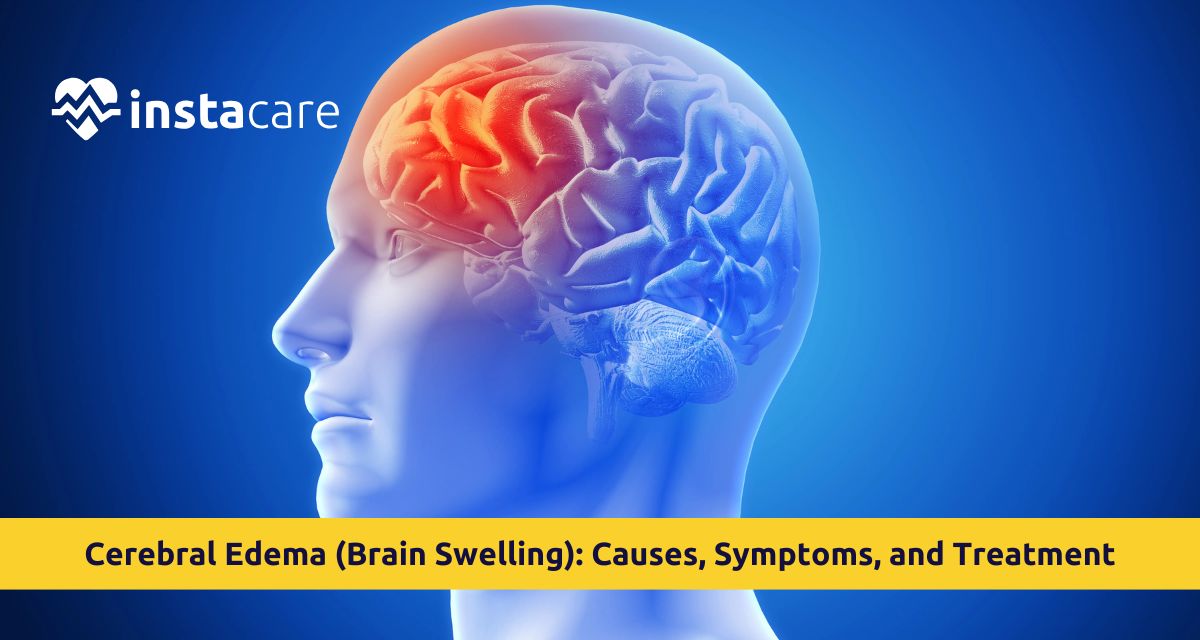
The human brain is a very delicate organ that is contained within a hard shell that is the skull. When the fluid in the brain tissues is abnormally increased, it disturbs the normal functioning and may prove to be life threatening. Medically, this is termed as cerebral edema, which is simply referred to as the brain swelling. It is caused by the presence of excess fluid in the brain which causes a pressure build up that may impede blood circulation, destroy brain cells and disrupt other important neurological functions.
Cerebral edema is a complication of other underlying illnesses like traumas, infections, stroke and tumors, which are serious pathologies. One should also educate themselves on the brain swelling causes, symptoms, diagnostic procedures and treatment in order to be able to intervene at the first possible stage and present improved outcomes.
What Is Cerebral Edema?
Cerebral edema is a disease that is characterized by the swelling of the brain tissue due to the accumulation of the excess fluid in the brain cells or the surrounding spaces around the brain cells. Such swelling strains the brain since the skull cannot expand hence the pressure strains the brain leading to a condition that is known as increased intracranial pressure, that is known to disturb the blood flow and consequently destroy the delicate neural networks. Cerebral edema may result in irreversible neurological losses, coma or death unless timely interventions are implemented. The condition is determined by the rate of occurrence of the swelling as well as the cause.
Types of Cerebral Edema
The different types of cerebral edema are determined by the mechanism. Learning about such types assists in making decisions in treatment.
Vasogenic Edema
Vasogenic edema is caused by a disruption of the blood-brain barrier which results in the leakage of fluid and proteins in the extracellular space of the brain. It is normally related with brain tumor, infection, inflammation, and trauma.
Cytotoxic Edema
Cytotoxic edema is caused by cellular damage which causes cell membrane pumps to become dysfunctional. Consequently, sodium and water flow into the brain cells and this leads to their swelling. This form is commonly observed in hypoxia, poisoning or stroke.
Interstitial Cerebral Edema
When cerebrospinal fluid accumulates due to obstruction and leaks into the surrounding brain tissue, interstitial cerebral edema is created. It is normally linked with a defect in the circulation of cerebrospinal fluid.
Common Causes of Cerebral Edema
The causes of brain swelling are numerous, and they are frequently associated with the conditions which interfere with proper functioning of the brain or blood circulation. Common causes include:
- Traumatic brain injury or brain swelling after head injury
- Ischemic stroke or hemorrhagic stroke
- Brain tumors or metastasis
- Infection of the central nervous system like meningitis or encephalitis
- Hypoxia or lack of oxygen
- Severe disturbances of metabolism
- High altitude cerebral edema
- Toxic exposure or overdose of drugs
All causes can provoke one or another form of cerebral edema, which affects the intensity and development of symptoms.
Symptoms of Brain Swelling
The symptoms of cerebral edema are dependent on the swelling size, the rate of its appearance, as well as the location of the brain. The symptoms can be both mild and serious and deteriorate quickly. Common symptoms include:
- Persistent headache
- Nausea and vomiting
- Disturbed mental status or disorientation
- Easy to fall asleep or excessive drowsiness
- Seizures
- Visual disturbances
- Weakness or paralysis
- Loss of coordination
- Behavioral or personality changes
In extreme situations, the increase of intracranial pressure may result in coma, respiratory failure, or herniation of the brain, an emergency in the field of medicine.
Read More: Types of Memory: How the Human Brain Stores and Recalls Information
Diagnosis of Cerebral Edema
The disease should be detected early in order to prevent brain damage that cannot be reversed. The integration of clinical assessment and radiographic studies is relied on by clinicians. Diagnostic methods include:
- Computed tomography (CT) scan to determine swelling, bleeding or mass effect
- Magnetic resonance imaging (MRI) to have a clear picture of the tissue and the kind of edema that has occurred in the brain
- Neurological tests to identify reflexes, consciousness and motor activity
- Monitoring of critical intracranial pressure
- Blood tests to ascertain infection, metabolic imbalance or hypoxia
Early diagnosis makes early intervention and increases chances of recovery.
Treatment Options of Cerebral Edema
The objectives of cerebral edema treatment are to reduce the swelling, lower intracranial pressure and cure the cause. Plans of treatment vary with the severity and etiology.
Medical Management
- Osmotic diuretics like mannitol to remove fluid in the brain tissue
- Regulation of intracranial pressure with hypertonic saline
- Corticosteroids in certain situations like tumors
- Antiseizure drugs to control seizures
- Oxygen therapy to prevent hypoxia
Surgical Interventions
- Decompressive craniectomy in order to relieve pressure
- Removal of tumors or hematomas
- Ventricular drainage to remove excess cerebrospinal fluid
Supportive Care
- Elevation of the head to encourage venous drainage
- Controlled ventilation
- Continuous neurological monitoring
Immediate and aggressive control has shown to be very beneficial for patients with cerebral edema.
Complications and Risks of Cerebral Edema
Serious and often irreversible consequences can be experienced in case of untreated or severe cerebral edema. Brain swelling complications may include:
- Irreversible neurological disabilities
- Cognitive impairment
- Chronic seizures
- Brain herniation
- Coma
- Death
Early complications are more likely to occur in the case of late treatment, profound trauma, or systemic disease.
Prevention and Risk Reduction of Cerebral Edema
Although some cases are unavoidable, certain actions can minimize the risk of cerebral edema occurrence. Preventive measures include:
- Use of protective headgear to prevent traumatic brain injury
- Control of chronic illnesses such as hypertension and diabetes
- Prompt treatment of infections
- Slow ascent and proper acclimatization at high altitudes
- Avoidance of drug abuse and toxic exposure
- Seeking immediate medical care after head trauma
Early preventive strategies play a key role in reducing morbidity.
Conclusion
Cerebral edema is a life-threatening neurological condition that requires an acute intervention. It is the effect of excess water in the brain that can cause life endangering situation in a very short time. It is necessary to know its types, causes, symptoms, and treatment options so that its early detection and successful treatment can be achieved. Imaging, monitoring and treatment interventions have enhanced better patient outcome. Nonetheless, the cerebral edema prognosis is greatly determined by the cause, the magnitude of the swelling, and the speed of treatment. Medical intervention will save lives and avoid long-term disability.
Please book an appointment with the best Neurologist in Lahore, Karachi, Islamabad and all major cities of Pakistan through Instacare, or call our helpline 03171777509 to find a certified doctor for your illness.