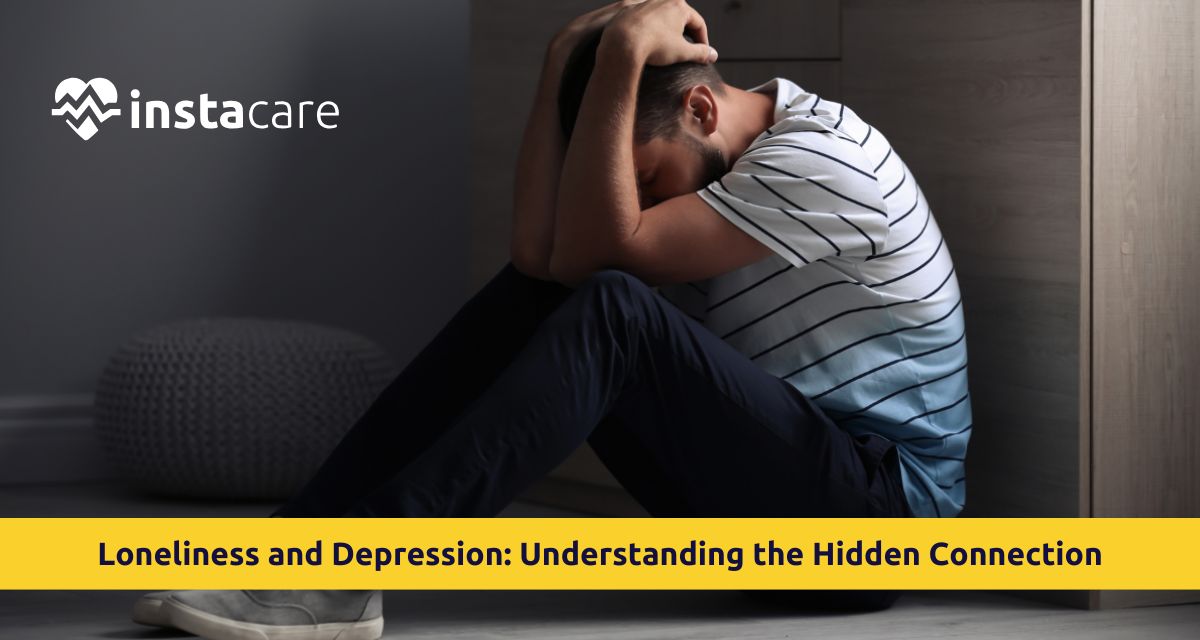
Loneliness and depression have been discussed as two distinct mental health problems but they are closely interrelated. In the modern and digitized world that is rapidly moving, the emotional disconnection of many individuals is increasing even though they find themselves in an environment full of people all the time. This increased feeling of isolation has caused a revival of attention towards the psychological effects of loneliness and its contribution to emotional health.
There is a growing amount of literature to indicate that depression caused by loneliness is an actual and very serious issue, especially among adults. It is imperative to understand the nature of the development of loneliness and its role in depression and how people can overcome it to help maintain mental and emotional well-being.
What Is Loneliness?
Loneliness is a subjective emotional condition that arises when the individual feels out of contact with others, despite the number of people surrounding the individual. Being alone is not the issue, but it is the suffering of unexpressed social or emotional needs. Loneliness takes various forms, and they include:
- The lack of close and meaningful relationships is what causes emotional loneliness.
- Lack of a larger social network leads to social loneliness.
- Loneliness that arises because of a change of life like relocation or loss.
Typical signs of loneliness consist of constant sadness, the feeling of emptiness, not wanting to be sociable, and experiencing misunderstanding and not being noticed.
What Is Depression?
Depression is a mental illness that is marked by constant feelings of sadness, hopelessness and lack of interest in daily activities. Depression implies the influence on thoughts, behavior, physical well-being and quality of life as compared to temporary changes of mood. The typical symptoms of depression are:
- The depressed moods of weeks or months.
- Weakness and demotivation.
- Changes in sleep or appetite
- Difficulty concentrating
- Self-worthlessness or guilt.
Depression commonly coexists with other conditions like loneliness and anxiety which complicates the treatment and diagnosis process.
The Link Between Loneliness and Depression
The relation between loneliness and depression is mutual and strengthening. Emotional regulation can be disturbed, stress hormone levels can rise and resiliency decreases as a result of prolonged loneliness; hence, the cause of loneliness leads to depression. Meanwhile, the depression may make people isolate themselves and aggravate their state. This cycle positively reinforces social isolation and depression and aids in making recovery harder without a helping hand. Key links include:
- Loss of social support makes people vulnerable to emotions.
- Loneliness increases negative thinking.
- Depression decreases the motivation to find connection.
This two-way communication underscores the need to combat loneliness as a severe mental health danger.
Signs and Symptoms
Depression has whereby loneliness intersects common symptoms, thus making it hard to find a difference between them. Emotional and behavioral changes are usually common and include:
- Continued depression or deadness.
- Failure to take interest in relationships.
- Excessive irritability or sensitivity.
- A sense of rejecting or being a burden.
- Evasion of socialization.
The mental health impact of social isolation on the body is expressed through physical symptoms such as headaches, sleeping problems, and poor immunity.
Causes and Risk Factors
Loneliness and depression are caused by various factors, especially when grown-ups are adjusting to contemporary ways of life. Major risk factors include:
- Single life or without meaningful relationships.
- Significant life changes (divorce, migration, retirement)
- Chronic pain, disability.
- Overuse of online communication.
- Poor self esteem or shyness.
Loneliness in adults is a common phenomenon that is not properly considered, as the person might look socially functional but internally feel lonely.
Read More: What You Must Know About Infertility Depression
Effects on Mental and Physical Health
Loneliness and depression are also interconnected effects that do not only wreak havoc on emotional well-being but also have a profound effect on physical health. Mental health impacts are:
- Heightened fear of anxiety disorders.
- Loss of thought and lack of concentration.
- Increased vulnerability to drug abuse.
Examples of physical health effects include:
- High blood pressure and risk of heart disease.
- Weakened immune response
- Increased inflammation.
It is now acknowledged that the mental health impact of social isolation is just as hazardous as some of the key health risk factors (i.e., smoking and obesity).
Coping Strategies
The issue of loneliness needs to be addressed through developing healthy coping with loneliness and depression. Some of the effective strategies are:
- Developing habitual socializing processes, even minor ones.
- Being mindful and self-compassionate.
- Spending time on hobbies or in a group.
- Restraining the excessive use of social media.
- Working in volunteer and community programs.
Education on good coping mechanisms with loneliness and depression assists individuals to feel that they are in control and are connected.
Treatment and Support Options
The use of professional and social support is crucial to recovery. Treatment for loneliness and depression is through a combination of therapeutic and lifestyle treatment. Common options include:
- Cognitive Behavioral Therapy (CBT)
- Peer support groups and group therapy.
- Antidepressant drug (where and when necessary)
- Community involvement and teaching social skills.
Sustainable mental health results are achieved by addressing emotional and social needs.
When to Seek Professional Help?
Loneliness or depression should receive professional assistance when it starts to disrupt the everyday routine or when they last many weeks. Seek help if:
- Mood swings or loneliness would not get better.
- Social withdrawal is drastic.
- Self-harm or utter hopelessness is considered.
- The everyday life is severely affected.
Early intervention helps to avoid the development of chronic symptoms and enhances the chances of recovery.
How to Support Someone Experiencing Loneliness and Depression?
One should be empathetic, patient, and consistent to support a person with loneliness and depression. Assistance can be offered in the form of:
- Listening without judgment
- Fostering professional assistance softly.
- Constant communication.
- They should not be minimized.
- Providing company instead of solutions.
Emotional isolation can be greatly lessened by simple presence and knowledge.
Conclusion
Loneliness and depression are two closely linked disorders that afflict millions of individuals around the globe. The correlation between social isolation and depression has demonstrated how significant human contact is to mental health. The psychological effects of loneliness can be minimized through environmental support and encouraging individuals and communities to address the issue in its early stages and reduce emotional distress, and enhance overall well-being. The problem of loneliness cannot be considered solely as a social one; it is a mental health concern.
Please book an appointment with the best Psychologist in Lahore, Karachi, Islamabad and all major cities of Pakistan through Instacare, or call our helpline 03171777509 to find a certified doctor for your illness.