Pinworms often lead to parasitic worm infection, particularly in kids. Despite being rarely serious, this condition tends to cause discomfort while spreading easily between people. Nighttime anal itching stands out as a key sign, disrupting rest along with daily functioning.
This illness moves fast in houses, classrooms, or childcare spots, so worm cases in kids happen often. If care steps aren't taken carefully, along with clean habits, infections might return again and again. Knowing the way these worms travel, what signs they cause, how doctors find them, treat them, or stop them, is key to keeping children and grown-ups safe.
What Are Pinworms?
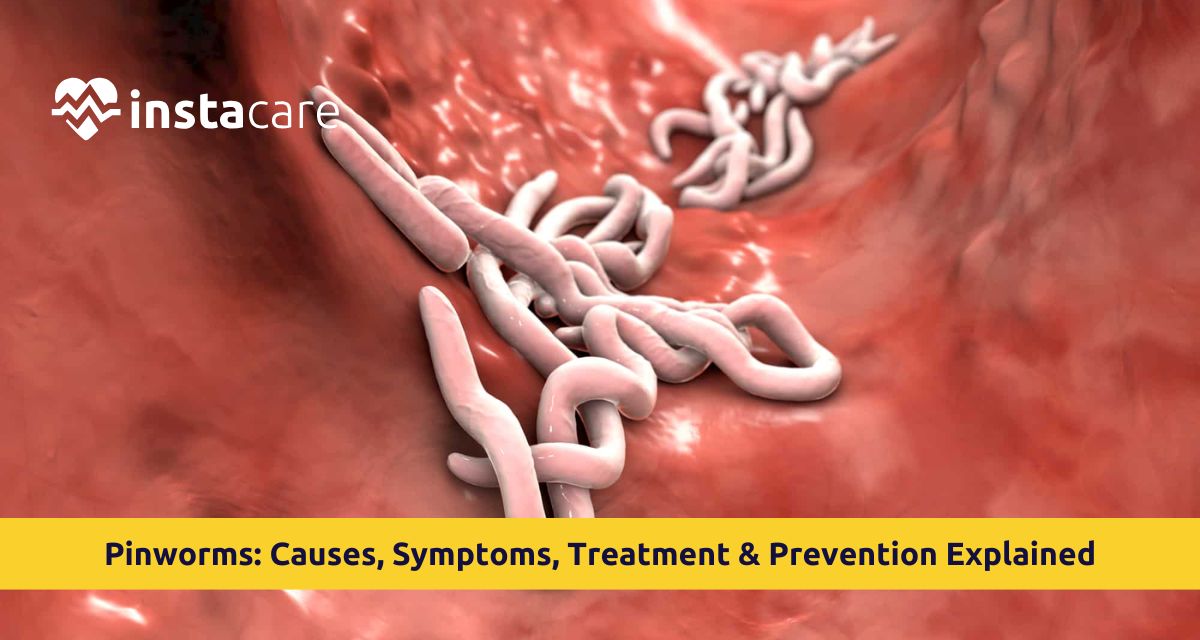
Pinworms, scientifically called Enterobius vermicularis, are small pale worms found in human intestines, mainly the lower part including the colon and rectal area. These parasites have a slender, stringy shape; most measure under 0.5 inches, which means they can sometimes be seen without magnification.
Pinworms live off materials found inside the intestines. During nighttime hours, a mature female moves toward the anus to deposit numerous tiny eggs onto nearby skin surfaces. The action triggers severe itchy anus at night; as a result, people tend to scratch that region. Scratching then contributes to wider transmission of the parasite.
Pinworms occur frequently across the globe, impacting individuals regardless of age; however, kids face higher risks because they interact closely at school while often neglecting proper handwashing.
How Pinworms Spread?
Pinworms move when people touch eggs by chance, passing them between individuals. Despite harsh conditions, such tiny eggs remain alive on objects like clothes or chairs. They linger up to days on fabrics, countertops, stuffed animals, sheets, even couches. Transmission happens without noticing, just brushing against contaminated items spreads infection.
The primary methods through which pinworm eggs are transmitted involve:
- Touching dirty surfaces followed by contact with the mouth
- Poor handwashing following bathroom use
- Itching around the anus then moving eggs onto fingertips
- Using the same sheets, plus passing around towels, also swapping garments or playing with shared toys
- Eating before cleaning your hands
- Inhaling pinworm eggs through dusty particles carrying contamination
After being swallowed, the eggs develop in the gut, turning into mature worms after several weeks. The process goes on without effective medication or careful cleanliness measures.
Symptoms of Pinworm Infection
Some individuals infected with pinworms often feel fine initially; yet once the parasite multiplies, irritation grows. A few notice no major issues early on, but over time, as the infestation worsens, so does unease. The most common symptoms include:
- Itchy bottom during nighttime, this is the main sign people notice
- Broken rest from scratching
- Agitation or mood swings in young kids
- Redness or irritation near the anal area
- Stomach discomfort sometimes occurs
- Loss of appetite
- Nausea
- Teeth clenching at night
- Bedwetting in children
In young females, these worms might move toward the genitals, leading to irritation or unusual discharge, sometimes also affecting urination. Scratching often worsens things, possibly resulting in soreness or bacterial issues on the skin. If left unchecked over time, such pediatric pinworm infection could interfere with focus, physical development, and school performance.
Diagnosis of Pinworms
Diagnosis of pinworms is straightforward, relying mostly on symptoms or what can be seen. Since these worms deposit eggs during nighttime, standard stool exams frequently fail to find them. Still, under certain conditions, a doctor might suggest a stool test for pinworms for confirmation. The best way to diagnose is using the tape test, this approach tends to deliver precise results when applied correctly:
- A clear sticky strip gets applied near the anus first thing in the day
- The sample gets checked through a lens to spot worm eggs
Doctors may also:
- Look closely at the rear area during nighttime
- Check signs such as nighttime anal itching
- Check beneath nails to find eggs
Spotting it early stops spread, also shields relatives from catching it.
Treatment Options of Pinworms
Effective pinworm treatment needs medicine together with careful cleanliness practices. It's generally straightforward, also tends to work well if done right.
Medications Used:
Pinworm medicine includes drugs like mebendazole; alternatively, albendazole may be used. Another option is pyrantel pamoate, effective yet distinct in action:
- A typical starting point involves one dose being administered at first
- A second dose follows two weeks later, this time targeting freshly emerged larvae
Since pinworms pass quickly from person to person, medical experts often suggest worm medicine for:
- The infected person
- All household members
- Close contacts
These deworming treatments eliminate mature parasites in the gut while preventing new infestations through targeted action.
Relief from Itching:
- Antihistamines for itching
- Zinc oxide creams
- Soaking in warm water may ease discomfort gently, also helpful for calming sore areas slowly
Correct pinworm care along with home hygiene stops reinfection completely.
Essential Hygiene Measures
Medication by itself won't end a pinworm infection. Good hygiene practices every day must be followed, otherwise eggs remain and spread continues. Crucial cleanliness actions involve:
- Use soap to wash your hands once you leave the restroom
- Wash your hands prior to meals
- Cut nails regularly so they stay tidy. Also, wash them often to remove dirt
- Daily wash each morning, this clears away eggs left overnight
- Wearing fresh undergarments daily
- Wash sheets, towels, or clothing using warm water
- Cleaning toilet seats often, also door handles, plus toys from time to time
- Avoid rubbing the anal region
Good habits like these don't just manage the infection, they also play a big role in stopping pinworms later. While treating the issue is one benefit, avoiding future cases matters just as much.
Preventing Reinfection of Pinworms
Reinfection often happens without careful measures, despite effective treatment. To stop pinworm prevention from returning, everyone at home must follow strict routines. Essential actions to prevent issues involve:
- Completing the full course of pinworm medicine
- Treating every member of the family at once
- Maintaining careful hygiene practices
- Wash sheets along with garments every day, keep this up for seven days minimum
- Clean carpets often using a vacuum, also do sofas from time to time
- Stopping kids from biting their nails
- Telling kids how to wash hands
Schools or childcare spots should stick to hygiene rules, this helps limit how easily kids catch pinworms. Facilities that keep things clean tend to see fewer cases over time. Following basic steps can make a real difference without extra effort.
Conclusion
Pinworms spread easily, especially among kids, yet many overlook them. Though not serious, nighttime itching around the bottom may disrupt rest. This irritation often leads to trouble sleeping. Poor sleep then impacts mood and focus during daytime hours.
The positive side? Pinworm therapy works well, especially with careful cleanliness routines. Using correct medication, thorough home sanitation, or consistent preventive steps, many clear the infection fully while steering clear of repeat issues. Awareness helps prevent ongoing spread, early detection makes a difference, family involvement strengthens results.
Book an appointment with the best General Physician in Lahore, Karachi, Islamabad, and other major cities through InstaCare. You can also call 0317-1777509 to connect with a verified doctor. Use the button below to book now.