In partnership with www.Markazcancer.com – knowledge is the first cure.
What is known is that there are risk factors that can increase your chances of developing breast cancer. Some of these, like age, family history, and genetics, cannot be changed. Others are related to lifestyle and can often be controlled. Breast cancer is one of the most common cancers among women with around 40,000 new cases each year in Pakistan. Understanding its causes and risk factors is an important step toward early detection and prevention.
All information in this article has been authenticated by a Consultant Oncologist in Pakistan.
What Do We Know About the Cause of Breast Cancer?
Breast cancer begins in breast tissue and develops when changes, or mutations, occur in the DNA of breast cells. These mutations cause the cells to grow and divide abnormally. The abnormal cells build up over time, forming a malignant, or cancerous, mass known as a tumor.
The immune system is often able to destroy abnormal cells before they cause harm. But some cells continue to grow and can spread to the lymph nodes or other parts of the body. Two people can share the same risk factors, yet only one may develop breast cancer. This is why breast cancer is considered the result of multiple factors working together, rather than a single, identifiable cause.
What Are the Risk Factors for Breast Cancer?
Age is one of the most significant risk factors for breast cancer, with most cases diagnosed in women over 50. However, genetics and lifestyle factors also play an important role, and in many cases, several risk factors combine to increase overall risk.
Genetic Risk Factors
Sex
Women are far more likely to develop breast cancer than men. Breast cancer in men is rare, accounting for a very small percentage of total cases.
Heredity
A gene mutation inherited from either parent can increase the risk of breast cancer. About 5 to 10 percent of all breast cancer cases are linked to inherited gene mutations, most commonly in the BRCA1 or BRCA2 genes. A harmful mutation in either gene can significantly raise the lifetime risk of breast cancer, as well as the risk of ovarian cancer.
Other inherited mutations linked to breast cancer include PALB2, PTEN, TP53, ATM, and CHEK2.
Family History
Having close relatives with breast cancer can increase your own risk, especially if a first-degree relative — a parent, sibling, or child — has had the disease. Having one first-degree relative with breast cancer roughly doubles your risk, while having two first-degree relatives can triple it. A family history of breast cancer may point to a shared genetic mutation, but shared environment and lifestyle factors can also play a role.
Menstruation and Menopause
Starting your period at a young age, particularly before 12, or reaching menopause later than usual, after 55, can slightly increase breast cancer risk. This is because breast tissue is exposed to estrogen for a longer period of time. Never having given birth, or having your first child later in life, also increases lifetime estrogen exposure. Breastfeeding, on the other hand, has been shown to lower breast cancer risk.
Lifestyle Risk Factors
Smoking
Smoking cigarettes and using nicotine products modestly increases breast cancer risk. Starting to smoke at a younger age raises this risk further, especially in people with a family history of the disease.
Alcohol Consumption
Alcohol is a known carcinogen that is directly linked to breast cancer risk. The more alcohol consumed, the higher the risk, and research shows that even one drink a day can raise the risk of hormone-receptor-positive breast cancer. Quit drinking today.
Environmental Exposure to Toxins
Certain chemicals found in water, air, household products, and packaged foods can act as endocrine disruptors. These substances mimic the effects of estrogen in the body and may increase breast cancer risk over time. Research is ongoing as to which chemicals act as endocrine disruptors.
Diet
Diets high in fried food, sugary food, refined carbohydrates, and processed meats have been associated with a higher risk of breast cancer in several studies.
Obesity
Because fat cells produce estrogen, being overweight or obese can significantly increase breast cancer risk, particularly after menopause. A sedentary lifestyle can further add to this risk.
Hormone-Based Medications
Hormonal birth control, including the pill, ring, and IUD, may slightly increase breast cancer risk. Hormone replacement therapy used to manage menopause symptoms carries a greater risk and is generally not recommended for women who already have other risk factors for breast cancer until a discussion with your doctor has happened.
Know the Symptoms
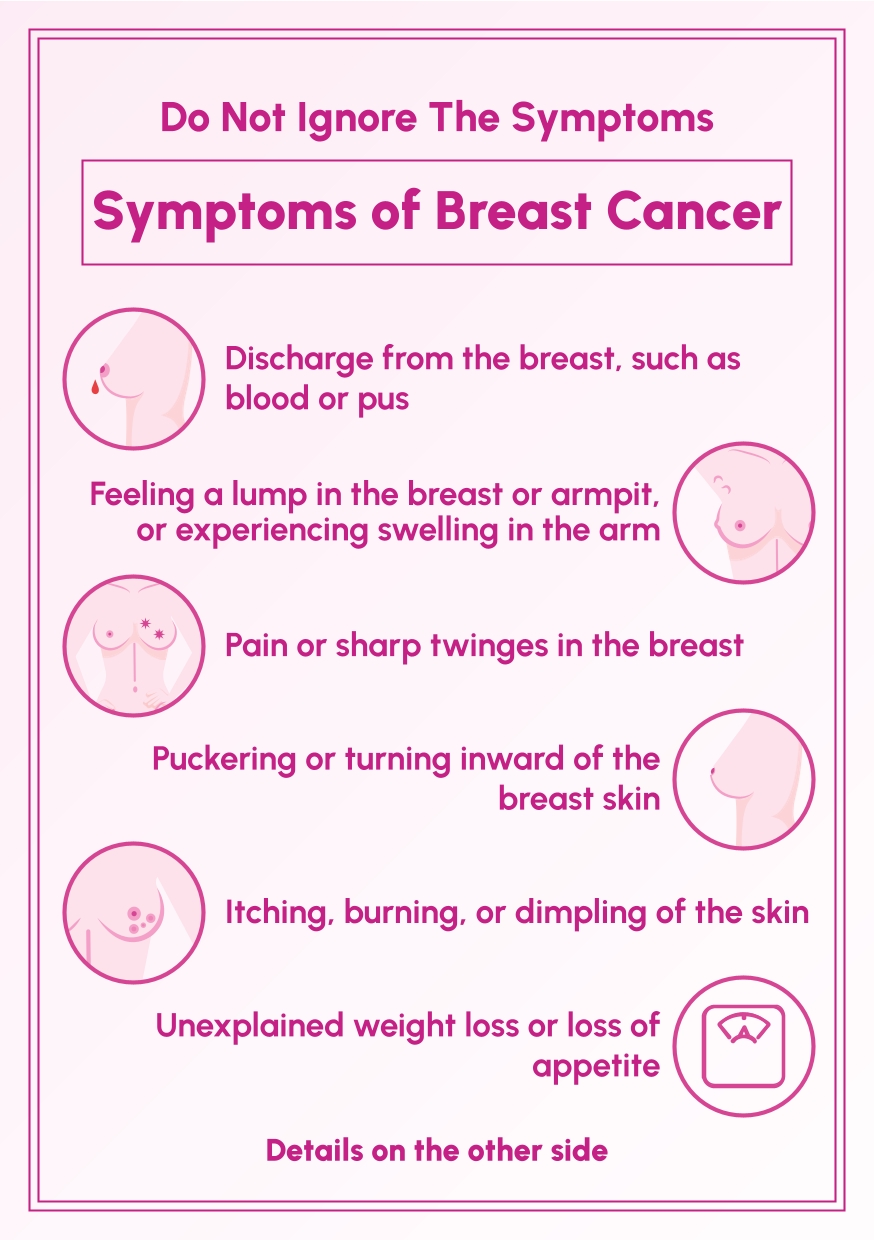
Breast cancer can cause noticeable changes in the body, though many of these changes can also be related to harmless conditions. It is important to discuss any changes that are new for you with a doctor. Read this blogpost on how to do a breast self exam.
Common signs and symptoms include:
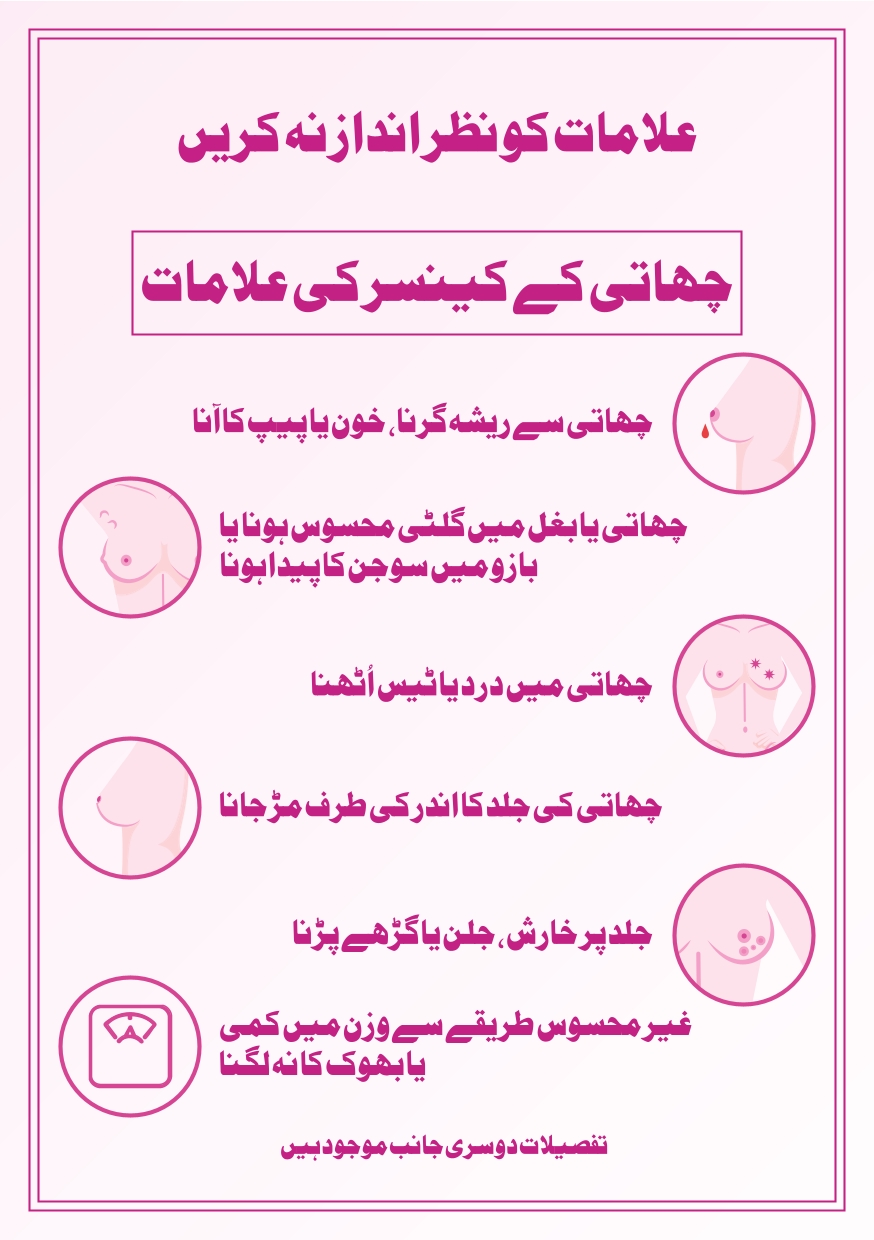
A lump in the breast, collarbone, or underarm that does not go away after your period, breast pain that persists beyond your menstrual cycle, nipple discharge, nipple or breast dimpling, an inverted nipple, changes in skin color or texture, and a change in the shape of the breast or nipple. A rash around the nipple that does not improve is also a reason to visit your doctor.
Watch Full Video: Introduction to Breast Cancer
Are There Ways to Prevent Breast Cancer?
Early detection cannot prevent breast cancer, but it greatly improves outcomes. Talk to a doctor about how often you should get a mammogram, especially if you have dense breast tissue, in which case regular ultrasounds may also be recommended. Lifestyle changes that may help lower your risk include limiting or avoiding alcohol, reducing or quitting smoking, and maintaining a healthy weight through regular exercise and a balanced diet. No lifestyle change can guarantee prevention but addressing them can reduce overall risk.
If You Have Already Had Breast Cancer
For those who have previously been diagnosed with breast cancer, the following habits may help support recovery and reduce the risk of recurrence: attending regular follow-up screenings, reporting any signs of swelling or lymphedema to your doctor, eating a diet rich in fruits, vegetables, and omega-3 fatty acids while limiting red meat and processed foods, maintaining a healthy weight, staying physically active, and managing stress through activities such as support groups, yoga, or meditation. Furthermore, it is really important to continue any prescribed hormonal therapy unless advised otherwise
The Takeaway
Breast cancer is caused by mutations in breast tissue cells, and the exact trigger for these mutations is not always clear. Genetics, environmental exposure, and lifestyle choices all contribute to overall risk. While you cannot change factors like age, genetics, or family history, you can take steps to lower your risk by limiting alcohol and tobacco use, maintaining a healthy weight, and staying consistent with recommended screenings.