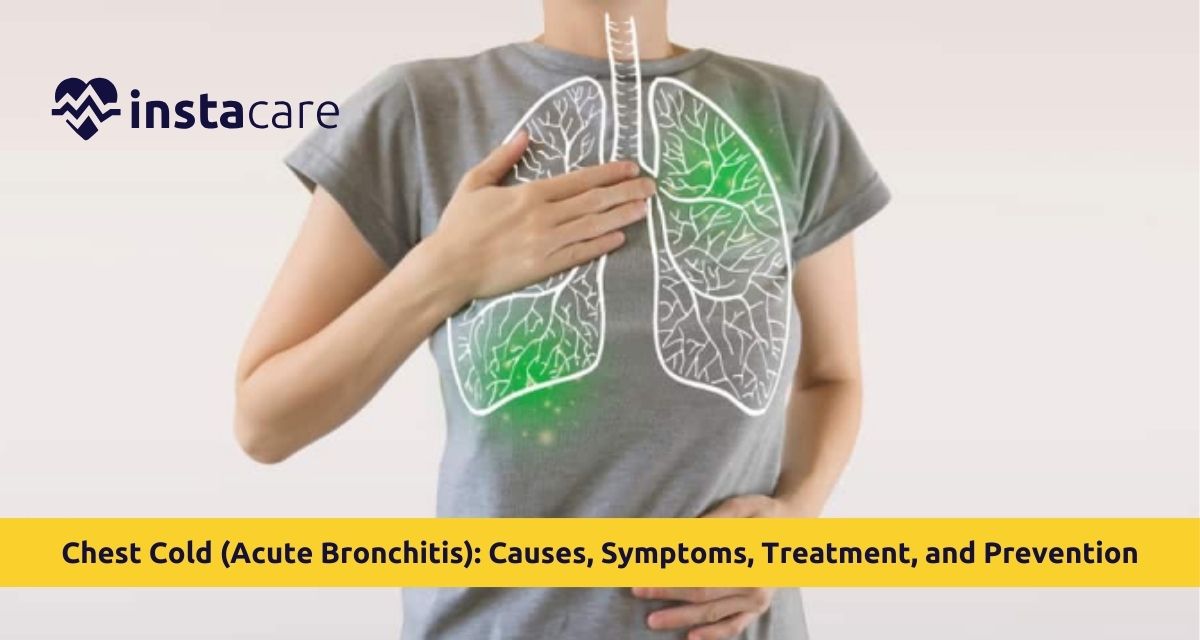
Acute bronchitis is one of the respiratory diseases that is known as chest cold and is a disease encountered by millions of people every year. It usually comes after the occurrence of a viral infection and inflames bronchial tubes through which the air passes to the lungs. Due to this inflammation, production of additional mucus, coughing and pain in the chest occur.
A chest cold normally subsides itself, but the ailment can be extremely painful with symptoms being extremely troubling and disruptive especially when the breath is painful. It is possible that knowledge about the causes, the symptoms, treatment decision, and prevention can help to control the recovery and reduce the number of complications.
What Is Chest Cold?
Chest cold happens when the bronchial tubes are inflamed by either an infection, most often, a viral one. A chest cold, unlike a normal cold, which attacks the nose and the throat, penetrates into the lungs. It is commonly known as viral bronchitis and most of them are temporary. Nevertheless, the symptoms may persist as long as weeks and it could be hard to say how long bronchitis may be in each particular case.
What Causes a Chest Cold?
Viruses known to cause upper respiratory infections are the causes of most cases of the chest cold. The infection travels to the throat and extends to the chest causing inflammation and surplus mucus. Common causes include:
- Viral illnesses (influenza or common cold viruses, etc.)
- Weakened immune system
- Smoke, dust or air pollution.
- Recurring respiratory infections.
The rate of bacterial infection is lower and can be encountered occasionally especially in people whose immune system has been compromised.
Common Symptoms of a Chest Cold
The symptoms normally appear slowly and can be aggravated within a few days. A bronchitis cough is the most apparent condition and can begin as dry, followed by the production of sputum. Common symptoms include:
- Persistent coughing
- Congested and heavy chest.
- Mucus cough chest infection which is usually yellow or green.
- Wheezing and chest tightness.
- Shortness of breath
- Mild fever and chills
- Fatigue and body weakness
In most occasions, the symptoms might be experienced even after clearing of infection, causing persistent cough.
Types of Bronchitis
Duration and cause Bronchitis may be classified.
- Acute Bronchitis: This is most common in nature and is normally brought about by a virus infection. The symptoms are likely to take one to three weeks.
- Chronic Bronchitis: This is a chronic disease that is associated, in most cases, with smoking or being exposed to irritants. It is not viewed as a chest cold and should be medically treated.
How Chest Cold Spreads?
Chest cold occurs through inhalation of respiratory droplets released by an infected person coughing, sneezing or talking. The virus can also be transmitted when touching the contaminated surfaces, and then contacting the face. Lack of hygiene and physical contact and space overcrowding are some of the factors that may contribute to the infectious spread.
Who Is at Higher Risk?
Some are individuals who are more vulnerable to the acquisition of severe symptoms or complications. Higher-risk groups include:
- Older adults
- Young children
- Smokers
- Individuals having asthma or lung disease.
- Patients having a weakened immune system.
Chest infection in adults can take a more prolonged and serious course and should be monitored more attentively, in particular, in case of an exacerbation of breathing problems.
Read More: Chest Acne 7 Ways to Get Rid of It
How Chest Cold Is Diagnosed?
Diagnosis typically consists of examination and analysis of symptoms. The physicians check the lungs to hear abnormal sounds like the wheezing or crackling. Other examinations can consist of:
- To exclude pneumonia Chest x-ray.
- Oxygen level tests
- Persistent cases of Sputum analysis.
These examinations assist in the verification of the diagnosis and in making sure that no severe complications exist.
Treatment Options for Chest Cold
Antibiotics are not normally needed since majority of colds of the chest are caused by the virus. Chest cold therapy is aimed at alleviation of symptoms and promoting recovery. Treatment is commonly through:
- Over the counter cough medicine in order to reduce irritation.
- Mucus loosening expectorants.
- Antipyretics and analgesics.
- Cases of severe wheezing Inhalers.
The rest and the hydration are important aspects of the recovery that cannot be neglected.
Home Care and Recovery Tips
Symptoms are mild to moderate and can be treated through the administration of home care. Such techniques aid in alleviating pain and aid recovery. Useful recovery tips are:
- Taking warm fluids to alleviate chest congestion.
- Relaxing airways with a humidifier.
- Getting adequate rest
- Compromising smoking and heavy smells.
- It involves deep breathing exercises.
Home remedies in cough are often helpful to the people, particularly when one has taken rest and intakes water.
Possible Complications and Prevention Tips
Most cases do not lead to complexities, but some patients can have pneumonia or aggravated breathing symptoms. To reduce risk:
- Wash hands regularly
- Do not be in close contact with sick people.
- Quit smoking
- Keep abreast with flu shots.
- Eat well to maintain good health.
Prevention is an key aspect of preventing readmission of chest infections.
When to See a Doctor?
In case the symptoms do not improve or become worse in three weeks, medical attention is required. Get assistance once there is:
- High or persistent fever
- Difficulty breathing
- Chest pain
- Blood in mucus
- Severe weakness
Early assessment will serve to avoid complications and will guarantee adequate care.
Conclusion
The chest cold is a common but painful illness that is experienced in the lower respiratory tract. Acute bronchitis normally subsides with time, however, it is treated by viral infections although its symptoms such as cough, congestion of the chest etc. may still continue to exist. Education of symptoms, proper treatment and preventive measures would assist in the quickening of the healing process and reduce the risks of complications. Majority of the people can recover under treatment and not have any long term effects.
Please book an appointment with the best Pulmonologist in Lahore, Karachi, Islamabad and all major cities of Pakistan through Instacare, or call our helpline 03171777509 to find a certified doctor for your illness.