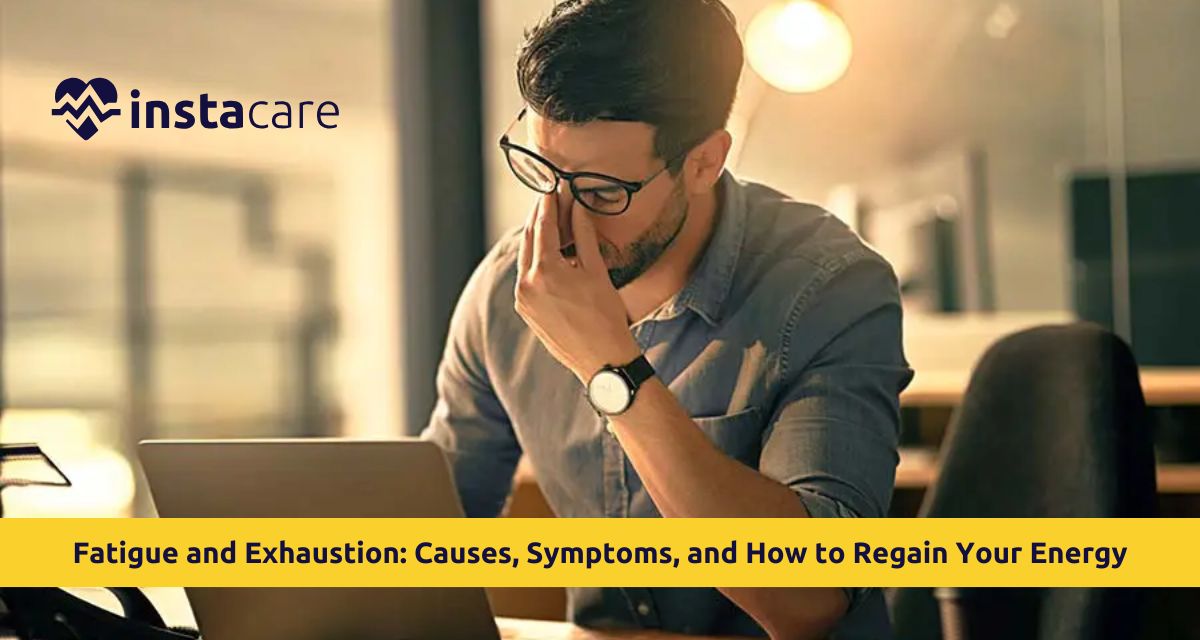
Every day, your work and your physical and mental health may be affected by chronic exhaustion. Fatigue and exhaustion
are frequent reports that may include a period of temporary fatigue to chronic
and debilitating disorders. This knowledge of the causes, symptoms, and ways to replenish your energy is important for maintaining a healthy lifestyle.
Whether it is due to chronic fatigue as a result of underlying medical factors or mental fatigue due to a long, stressful period, energy drains your body and mind. It can be resolved at an early stage to avoid more complex health complications.
What Is Fatigue?
Fatigue is a condition of constant exhaustion or loss of energy that is not easily alleviated by rest. It can be:
- Physical exhaustion: Feeling feeble, sluggish or unenduring with daily tasks.
- Mental exhaustion: Has trouble concentrating, loses memory, angry, or lacks inspiration.
Fatigue is usually a cumulative process and can be attributed to lifestyle, illnesses or emotional stress. Fatigue vs tiredness is not like normal tiredness and it also varies in its intensity and duration.
What Is Exhaustion?
Exhaustion is a more serious kind of fatigue which may be physical and mental. It happens when your body and mind have been taken too far.
- Physical tiredness: Drooping muscles, aching body parts and uncontrolled movements.
- Mental fatigue: disorientation, loss of memory, emotional instability, and loss of judgment.
When one overlooks extreme exhaustion, it can be transferred into work performance, personal life, and even safety.
Common Causes of Fatigue and Exhaustion
Fatigue and exhaustion can be caused by several factors, which may combine in some cases. Common
triggers include:
- Lifestyle factors: poor sleep, overworking, unhealthy lifestyle, and irregular meals.
- Stress and mental health: Burnout, depression, stress, and anxiety.
- Medical conditions: Anaemia, thyroid disorders, diabetes, chronic fatigue syndrome and infections.
- Drugs: Side effects: Blood pressure drugs, antihistamines, or antidepressants.
- Nutritional deficiencies: Iron or vitamin B12 deficiency, magnesium deficiency, and protein deficiency.
Effective treatment for fatigue and exhaustion and energy restoration is highly dependent on the ability to understand the root cause.
Symptoms of Fatigue and Exhaustion
The symptoms differ depending on the type of fatigue; either short term or chronic. Common signs
include:
- Constant fatigue with rest.
- Feebleness or heaviness of muscles.
- Difficulty focusing or recalling things.
- Irritability or mood swings
- Insomnia or sleep disturbance.
- Loss of zeal or enthusiasm of activities.
- Headaches or dizziness
Extreme fatigue during a prolonged period may disrupt daily activities and quality of life.
Fatigue vs Exhaustion: Key Differences
Although fatigue and exhaustion are usually used interchangeably, they are different in their nature:
Onset:
- Fatigue: Gradual
- Exhaustion: Acute or chronic.
Duration:
- Fatigue: Transitory to chronic.
- Exhaustion: Chronic and acute.
Recovery:
- Fatigue: Easily soothed by rest.
- Exhaustion: Needs a long rest or intervention.
Impact:
- Fatigue: Mild impaired functionality.
- Fatigue: severe functional loss.
It is important to acknowledge that these differences assist in choosing the right recovery and treatment methods.
Read More: What is Fatigue All You Must Needs to Know About
Diagnosis and Evaluation of Fatigue
Constant tiredness and weakness should be investigated. A doctor may:
- Examine past medical history and lifestyles.
- Conduct blood tests to determine anemia, thyroid deficiency, and vitamin deficiencies.
- Measure sleep patterns and potential fatigue and sleep disorders.
- Assess the mental health of depression or anxiety.
- Examine long-term illnesses like diabetes, heart disease or chronic fatigue syndrome.
Timely diagnosis is very crucial to effective treatment and intervention.
How to Manage Fatigue and Exhaustion?
Management strategies can be put in place after the root cause is identified. General tips include:
- Focus on 7-9 hours of sleep.
- Eat a healthy, well-balanced diet with adequate protein, vitamins, and minerals.
- Keep hydrated day by day.
- Add moderate and light exercising.
- Take short breaks at work to avoid mental exhaustion.
- Conquer stress through meditation, yoga or deep breathing.
Such interventions could be able to boost mental exhaustion and fatigue in the body, which could help the body restore energy naturally.
Medical Treatments and Professional Care
Other cases are where fatigue and exhaustion may require medication:
- Drugs: To address underlying conditions like anaemia, thyroid or sleeping problems.
- Intervention: Cognitive-behavioural therapy (CBT) of chronic fatigue and stress-related fatigue.
- Sleep management programs: In insomnia management or in sleep apnea.
- Treatment of chronic fatigue syndrome: Structured physical exercises, pacing, and monitoring of symptoms.
A professional can be necessary to ensure that a more serious medical issue is not being masked by fatigue.
Lifestyle Tips to Boost Energy Levels
The everyday routine may be really useful in respect of your strength and vigor:
- Eat less and more often to maintain stable blood sugar levels.
- Excessive drinking and eating of caffeine and sugar are harmful and cause energy crashes.
- Regular exercising (also) to get more circulation and energy.
- Do not spend a lot of time in front of the screen before going to sleep.
- Keep a social contact to prevent mental tiredness in case of loneliness.
- Keep the circadian rhythm by keeping regular sleep hours.
These habits will ensure that a person is not always tired and will be more active, thanks to their regularity.
Conclusion
Feeling tired is not the same as fatigue or exhaustion; it's a signal from your body and mind that something needs to be done. The first step towards recovery is to determine whether it is chronic fatigue, physical exhaustion, or mental exhaustion. You can restore your mental and physical strength and improve your quality of life by following medical guidelines, making lifestyle changes, and managing stress. Regularly monitoring sleep, food, and stress levels is the key to preventing common exhaustion and maintaining a healthy state over the long term.
Please book an appointment with the Best Neurologist in Lahore, Karachi, Islamabad, and all major cities of Pakistan through InstaCare, or call our helpline at 03171777509 to find a verified doctor for your disease.