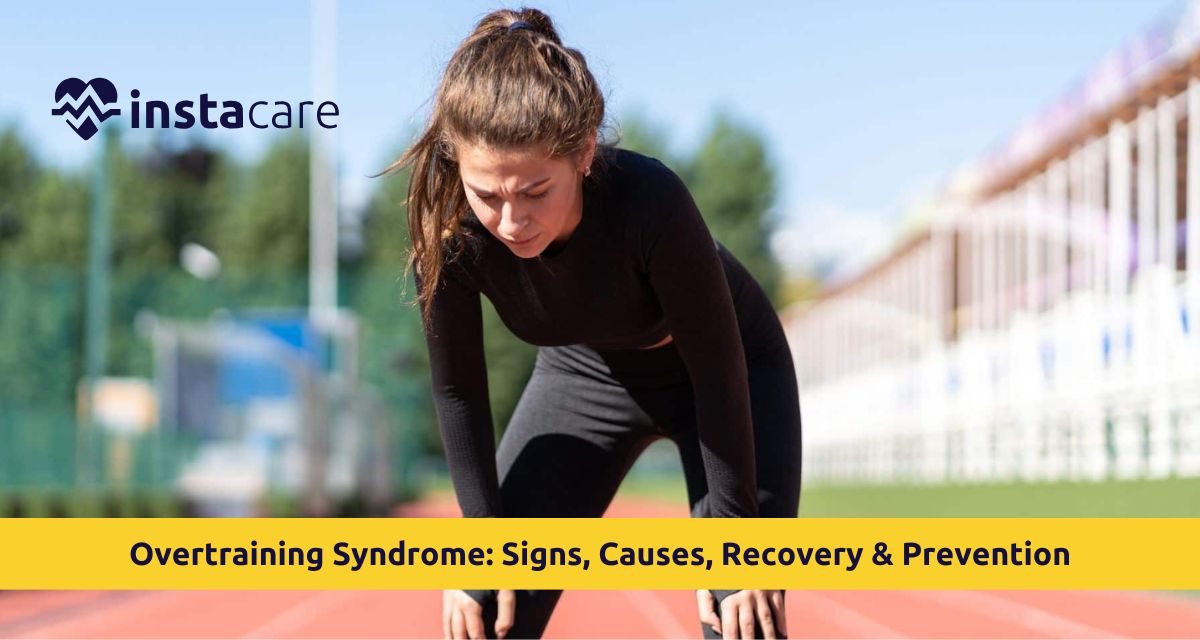
Frequent workouts enhance power, stamina and general wellbeing. But in cases where the volume and intensity of training are more than the body can handle then there is a possibility of performance drop rather than enhancement. It is a phenomenon commonly referred to as Overtraining Syndrome (OTS) and it is getting more and more widespread amongst professional and amateur athletes. Overtraining in athletes is not merely an extreme fatigue, but a complicated physiological and psychological state that needs the organization of recovery and preventive measures.
What Is Overtraining Syndrome?
Overtraining Syndrome is the maladaptive condition to the excessive physical practice without proper rest. It leads to long-term performance impairment, chronic fatigue, systemic alterations of the nervous, hormonal, immune systems. In contrast to the short-term fatigue, OTS is commonly defined as chronic overtraining in which symptoms may be present for weeks or months regardless of decreased activity. It is also known as the exercise fatigue syndrome, and it highlights the fact that it does more than just affect the muscles.
Common Causes of Overtraining Syndrome
OTS normally arises due to the disequilibrium of training stress and recovery ability. The major contributory factors are:
- Training that is too much in terms of the volume or intensity that is not followed by a rest day.
- Back to Back Workload Surges.
- Low sleep and nutritional consumption.
- Competition, work or personal life stresses which are psychological.
- Periodization-free high-intensity sessions that are repeated.
Such stressors eventually interfere with physiological homeostasis, resulting in accumulating fatigue and negative adaptation.
Signs and Symptoms of Overtraining Syndrome
OTS symptoms are multi-systemic and may be of different severity. Common indicators include:
Physical Symptoms
- Sooner or later muscle pain and joint pain.
- Elevated resting heart rate
- High vulnerability to disease.
- Intervention between sessions.
Performance-Related Symptoms
- Increased effort does not improve performance since it is overtrained.
- Weakness, loss of endurance, and lack of coordination.
- Loss of training motivation
Psychological and Hormonal Symptoms
- Affective problems, irritability, depression.
- Sleep disturbances
- A hormonal imbalance and overtraining such as a change in cortisol and testosterone levels.
These symptoms are usually confusing so that it is difficult to identify them at an early stage.
Who Is Most at Risk?
Although elite athletes are often susceptible, any person involved in an organized physical training is susceptible to OTS. High-risk groups include:
- Athletes that are endurance (runners, cyclists, swimmers)
- International competitiveness and CrossFit athletes.
- Trainees who train more than once a day.
- Sport performers who have little resources towards recovery.
- Gyms taking the risk and working with harsh programs.
It is crucial to know the difference between Overtraining vs burnout, but in the latter case, it is more about psychological phenomena, whereas in the former, physiological dysfunction can be observed.
Read More: Computer Vision Syndrome
How Overtraining Syndrome Is Diagnosed?
No single diagnostic test of OTS exists. Diagnosis: It is mainly clinical based on:
- Elaborate training and recuperation history.
- His continued symptoms of weeks or more.
- No medical conditions like anemia or thyroid disorders.
- Unexplained performance test failure.
To facilitate the diagnosis and exclude other conditions, healthcare workers can evaluate hormonal levels, immune system efficiency, and mental condition.
Recovery From Overtraining Syndrome
The overtraining process needs a systematic, personalized process of recovery. Key components include:
- Massive downsizing or outage of training.
- A focus on stress management and the optimization of sleep.
- Energy balance nutritional rehabilitation.
- Slow recovery of low-intensity exercise.
A successful Recovery from overtraining process is more concerned with restoring physiological equilibrium as opposed to hastening to resume with full training intensity.
How Long Does Recovery Take?
The time to recover is determined by the severity and promptness. Mild OTS can be resolved within few weeks, whereas severe cases of OTS take several months. The factors that affect recovery time are:
- Duration of overtraining
- Personal recovery ability.
- The level of stress in psychology.
- Adherence to rest protocols
To avoid the relapse, Rest and recovery for athletes is important to make sure that the performance could be maintained in the long-term.
Preventing Overtraining Syndrome
Prevention aims at the balance of training stress to sufficient recovery. Strategies that are evidence-based encompass:
- Periodization of training.
- Observation of the workload, sleep, and mood.
- Introducing scheduled days of rest and deload weeks.
- Adequate intake of caloric and micronutrients.
- The use of the principles of overtraining prevention on a regular basis.
Recovery should not be seen by athletes as a form of weaknesses but rather as part of performance.
When to Seek Professional Help
Professional assessment should be done in case of the persistence of symptoms despite rest or in case of a continuing Performance decline due to overtraining. Warning signs include:
- Fatigue over a period of over two weeks.
- Frequent trauma or disease.
- Major mood or sleeping disorders.
Early Overtraining treatment is able to stop the long-term health effects of health and speed up healing.
Conclusion
The Overtraining Syndrome is the stage at which the training stress becomes more than the adaptive ability of the body. The importance of the identification of initial symptoms, the focus on recovery, and the use of systematic training principles is critical to sustainable sports growth. Regardless of whether it is recreational or elite sports, athletes need to know that recovery is just as important as effort is in the progress.
Please book an appointment with the best Nutritionist in Lahore, Karachi, Islamabad and all major cities of Pakistan through Instacare, or call our helpline 03171777509 to find a certified doctor for your illness.