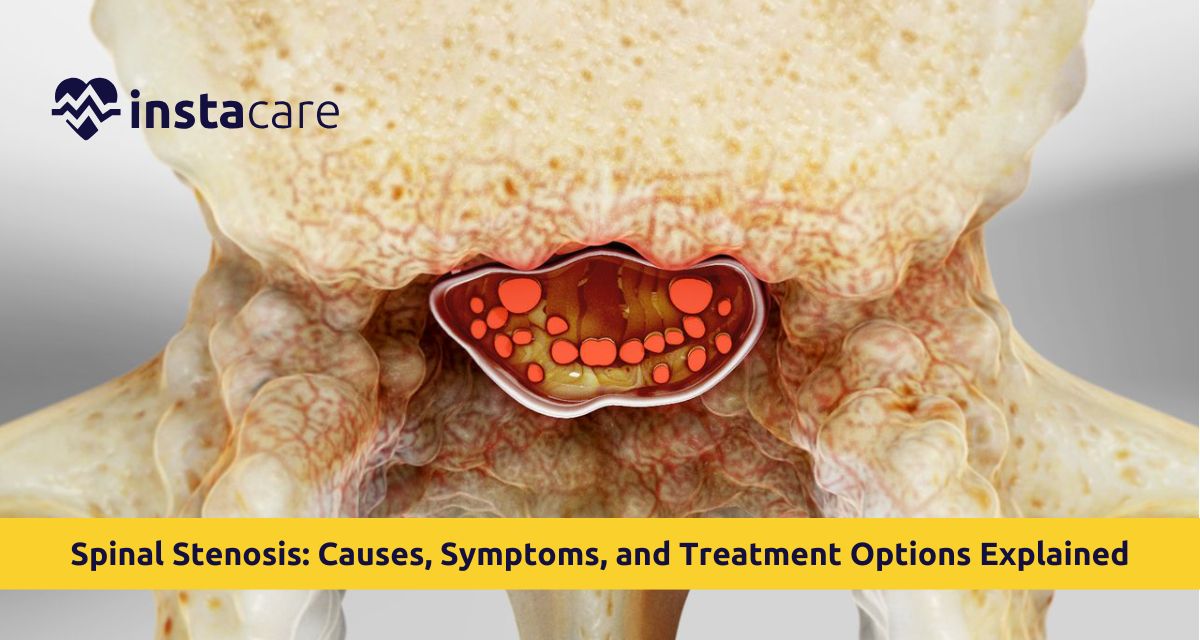
Spinal stenosis is a wear/ tear problem wherein the passageway in the spine becomes thinner, leading to spinal canal narrowing and makes nerves or the spinal cord strained due to nerve compression in spine. It is manifested gradually as time goes by, frequently attributable to age-related changes in the backbone. As space within the canal decreases, nerves are compressed and this causes pain, loss of muscle power and ambulation difficulties. The issue can present itself in a number of different areas of the spine; the severity can differ depending on the tightness of the area and the nerves, especially in cases of spinal stenosis in elderly individuals.
What is Spinal Stenosis?
Spinal stenosis is a condition in which the spaces within the spine narrow, putting pressure on the spinal cord or nerves, often causing back pain, numbness, tingling, or weakness especially in the neck or lower back.
What Causes Spinal Stenosis?
Progressive degenerative changes on the spine are the major cause of spinal stenosis. Common causes include:
- Age-related degeneration: As one gets older, the spinal discs become weaker; this makes the ligaments become rigid. Gradual breakdown leads to the decreased flexibility of joints. The process of thickening is very slow because tissues lose their elasticity. The process of movement is more difficult with wearing-out structures.
- Herniated or bulging discs: Disc material sticks out of the spinal canal, and the available space is decreased.
- Osteoarthritis: Osteoarthritis leads to the development of bone growths as the joints degenerate and could result in lack of space in the channel of the spine.
- Thickened ligaments: The bands become rigid over the time period and decrease the flexibility of the spinal space.
- Spinal injuries: Trauma can cause the movement of the bones or cause swelling of the spinal injuries.
- Congenital spinal abnormalities: Congenital spinal problems are a case when a person is born with a smaller than normal spinal cavity.
These changes can be common in the elderly who have spinal stenosis in elderly, as wear increases the probability of occurrence.
Types of Spinal Stenosis
Depending on the location of the spine, spinal stenosis is classified.
Lumbar Spinal Stenosis
This disorder affects the lower spine as it is the common type. Lumbar spinal stenosis usually causes pain to spread outwards on legs, and it becomes worst as one is standing or moving around.
Cervical Spinal Stenosis
Cervical spinal stenosis affects the neck region, may cause compression on the spinal cord. Such a tightening can cause pain in the neck, numbness in the arms, the inability to move freely, or the inability to remain stable.
Thoracic Spinal Stenosis
This form is more infrequent, and it is directed to the middle back, commonly accompanied by localized pain or nerve defects.
Each type presents a variety of symptoms depending on the type of nerves involved.
Common Symptoms of Spinal Stenosis
Symptoms are determined by the location, as well as the severity, tends to become worse gradually. Typical ones are:
- Spinal stenosis pain, some of them complain of dull aches; others complain of sharp or burning pains.
- Numbing or pins and needles in the arms, extending into the hands, the same can happen on the legs, most of the time heading to the feet.
- Weakness of the muscles and reduced accuracy.
- Difficulties walking or remaining in an upright position over a long period of time.
- Suffers on forward action or when he sits.
- Extremities There can be problems with bowel functioning, as can be problems in managing the bladder.
Symptoms may vary, may increase when moving but improve when rest.
Read More: Cranial Bones: Anatomy, Names, Functions, Structure & Development
How is Spinal Stenosis Diagnosed?
The adequate spinal stenosis diagnosis depends on physical examination alongside imaging examinations. The process involves:
- Medical background check: Notice of the change in the symptoms as the daily limit of activities is checked.
- Physical examination: Reflexes, which include: muscle power, feeling, movement patterns.
- Imaging tests: Scans are used to identify tightness in the spine, MRI is the best. It would indicate clearly whether nerves are affected.
- CT scans or X-rays: Checking bone shape as well as position is done with CT scans or X-rays.
- Electro diagnostic tests: Nerve conduction tests can be used in some circumstances to investigate the functionality of nerves, with small signals to determine the activity levels. These are tests, which test the responses in the short-term in response to a short-term stimulation of the nerves at certain points.
Diagnosis correlates scan findings with those of the patient to determine the severity of the condition.
Treatment Options for Spinal Stenosis
The decisions to be made by the management depend on the severity of the symptoms, location of the spine, and the general condition of the patient. In the case of spinal stenosis treatment, it is frequently initiated by conservative approaches.
Non-Surgical Treatment for Spinal Stenosis
Non-surgical treatment for spinal stenosis is effective in many patients, this can include:
- Body-guided exercises assist in increasing the mobility and enhancing muscle resilience.
- Antihyperemic drugs reduce puffiness.
- Symptoms are managed by the use of pain relief medicines.
- The epidural steroid injections assist in decreasing inflammations of nerves.
- Vary daily activities to minimize symptom exacerbating factors.
These methods are aimed at reducing the swelling and increasing the mobility, thereby enhancing the quality of everyday life.
Spinal Stenosis Surgery
When the non-surgical treatment is not effective, or nerve-related problems are increased, a physician can recommend spinal stenosis surgery to narrowed spine. Possible procedures are:
- Laminectomy: removal of both bone and soft tissue to alleviate nerve pain.
- Spinal fusion: Fusion of involved areas.
- Minor pressure release surgical procedures.
Surgery is targeted at decreasing nerve pressure, without loss of spine stability.
Lifestyle Changes and Self-Care Tips
Management of symptoms is important through lifestyle changes. Good approaches involve,
- Maintaining normal weight will alleviate pressure on the spine, moderation gives better posture and reduces strain by making it a regular practice rather than a last minute solution.
- Having proper posture and comfortable work practices.
- Participate in mild exercises such as biking or swimming, including recommended spinal stenosis exercises.
- Eliminating standing, repetitive strain.
- Wearing supportive shoes may ensure that your posture remains correct.
Consistently working on spine exercises programs as recommended by a physician can most of the times enhance movement and reduce the level of pain.
Living with Spinal Stenosis
Living with spinal stenosis would entail dealing with it as one grows old but being realistic about what is expected. Though the symptoms can gradually become more serious, the symptoms can keep a number of people independent with the help of appropriate care. It is important to know how to sit or stand properly, how to balance activities during the day, but always keep in mind to observe new warning signs. Emotional support may be important too, as permanent unease affects not only mood but also normal life.
When to See a Doctor for Spinal Stenosis?
It is reasonable to have a health check when the manifestations begin to influence the daily life or become more severe. Visit a doctor quickly in case you notice:
- Weakness or numbness of the body part.
- Failure to control urinating or defecating.
- Severe, unrelenting pain.
- Difficulty in walking or remaining steady.
Early intervention enhances outcomes and prevents permanent nerve damage.
Conclusion
Spinal stenosis happens when the space around the spinal cord gets narrower over time, pressing on nerves. This issue often shows up in older people and may affect the neck or lower back area. Spotting it early, getting the right diagnosis, but also tailoring care helps keep symptoms under control. Instead of surgery, most start with non-invasive treatments. However, if things get worse, an operation might help reduce discomfort. Following expert advice while making daily changes and doing rehab allows many to live well despite the condition.
Please book an appointment with the best Neurosurgeon in Lahore, Karachi, Islamabad and all major cities of Pakistan through Instacare, or call our helpline 03171777509 to find a certified doctor for your illness.