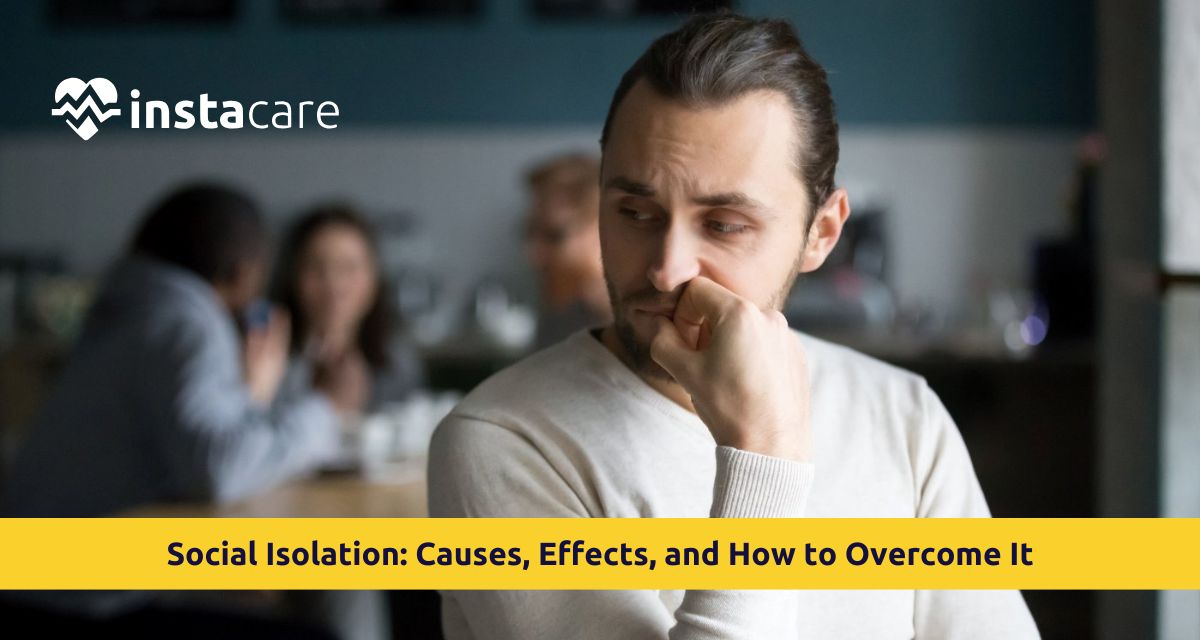
People are social creatures and require interconnectedness and interaction to gain emotional stability and psyche well being. People can be socially isolated in case these relations are undermined or lost. In comparison to the temporary loneliness, a long-term lack or absence of social interaction is called social isolation, which may have a serious negative effect on the mental, emotional, and physical health. Social isolation has become a common phenomenon at any age in a fast-paced world of technological advancements, and it is a public health concern whose popularity is on the increase. This difference is commonly explained in the Loneliness vs social isolation.
What Is Social Isolation?
Social isolation defines objective absence of social interaction, relationships or meaningful contact with other persons. It is not merely a matter of being alone so an individual can live alone without being isolated but a person in the midst of people can be isolated.
It is important to know the difference between loneliness and social isolation. Loneliness is a subjective emotional experience that one feels whilst being disconnected, whereas social isolation is an objective experience that can be identified by a low number of social networks or low frequency of interaction. In the long run, Chronic social isolation can be developed due to the continuous isolation, which has more significant and detrimental outcomes.
Common Causes of Social Isolation
Social isolation is not a consequence of one factor. It normally arises as a result of individual, social and environmental factors.
Common causes include:
- Significant alterations in life like the shift of residence, divorce, or death
- Retirement or unemployment
- Physiological disability or a chronic condition
- Mental disorders like anxiety or depression
- Over dependence on online communication as opposed to face-to-face communication
- Residing in cities with poor social connections
The process of Social isolation in adults in most instances starts slowly and gets worse as it goes without any planned action.
Signs and Symptoms of Social Isolation
Social isolation manifestations can be different in each individual, but it is most likely that they influence emotional, behavioral, and physical health. Common signs include:
- Ineffective communication with friends or relatives
- Shy of social life
- Emptiness or a sense of belongingness
- Lack of motivation and disinterest in things
- Heightened irritability or numbness
- Changes in sleep or appetite
These symptoms can also be confused with mental health disorders when they are experienced over the long term, thus making it hard to tell the difference between the two without appropriate evaluation.
Effects of Social Isolation
Social isolation may produce far-reaching mental and physical health impacts. The Effects of social isolation on mental health are becoming a widely researched issue in which the consequences are becoming specifically harsh.
Psychological effects:
- High risk of depression and mood disorders
- Heightened stress levels
- Loss of cognitive ability and concentration
- Hopelessness and lack of self worth
Emotional effects:
- Loss of emotional function or numbness
- Problems with developing or sustaining relationships
- Increased fear of socialization
Physical effects:
- Weakened immune system
- Greater exposure to cardiovascular diseases and high blood pressure
- Heightened inflammation and exhaustion
Long-term isolation is closely associated with Social isolation and anxiety, which produces the cycle of fear of interacting further isolating people, and is also linked to Social isolation and depression.
Who Is Most at Risk?
Although every person might find him/herself in a socially isolated position, some groups are more susceptible to it because of life conditions and social organization. High-risk groups include:
- Seniors that have had to retire, experience loss of mobility, or suffer bereavement
- Single persons not living with their families
- Individuals having long-term illness or disability
- People that are financially challenged or unemployed
- People suffering mental illnesses
Social isolation in elderly populations is of particular concern because it is related to cognitive impairment, elevated rates of mortality, and diminished quality of life.
How to Overcome Social Isolation?
Social isolation is a problem that should be dealt with purposefully, with self-realization, and in some cases with the help of a professional. Small, regular steps are the starting place of learning How to overcome social isolation? Strategies that can be put to good use include:
- Rebuilding social networks: Contacting friends, family or former colleagues
- Participation in community activities: Participation in clubs, volunteer organizations or classes
- Taking professional assistance: With therapy, emotional blocks to connection may be dealt with
- Social skill development: Confidence is developed with the progressive introduction to social conditions
- Being smart with technology: Video calls and virtual communities will not replace real contact, but they could enhance it
The challenge of overcoming isolation is not connected with the quantity of contacts but rather with the quality of social contacts.
Read More: Chronic Loneliness: Causes, Symptoms, Effects, and How to Cope?
Preventing Social Isolation
It is usually better to prevent before than cure. The development of good social habits at a tender age can help to lessen chances of isolation that may be experienced over a long time. Prevention tips include:
- Keeping in touch with relatives and friends
- Striking the balance between online and offline communication
- Engaging in group-related hobbies
- Placing mental health and emotional sensitivity first
- Early intervention in dealing with withdrawal
Through the establishment of meaningful interactions, people can shield themselves against acquiring chronic social isolation.
Conclusion
Social isolation is a complex and far-reaching issue that affects psychological, emotional, and physical states. Although it cannot be compared to loneliness, long-term isolation can lead to serious outcomes, including depression, anxiety, and ill health. In order to recover, one should know its causes, learn to identify the signs beforehand, and active take measures to be reconnected. The effect of social isolation can be reduced through the assistance of this notion: awareness, support, and purposeful action, and people can rebuild the beneficial relationships and improve the quality of life, on the whole.
Please book an appointment with the best Psychologist in Lahore, Karachi, Islamabad and all major cities of Pakistan through Instacare, or call our helpline 03171777509 to find a certified doctor for your illness.