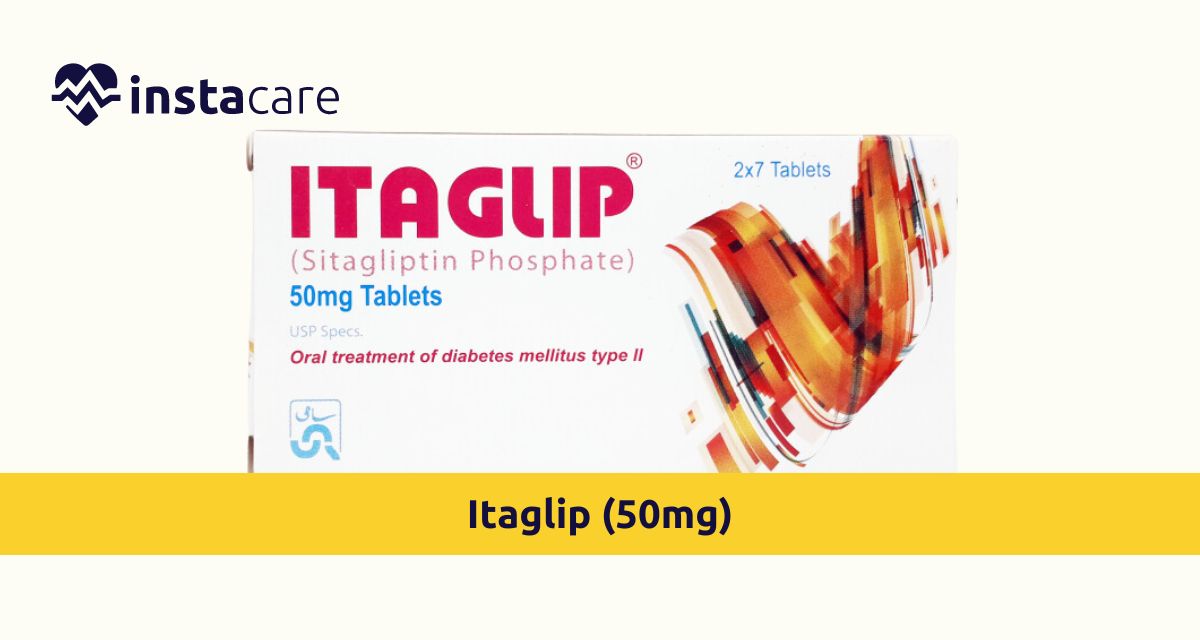
Itaglip is primarily 50mg used for medication against type-2 diabetes in patients of the drug in many countries. Itaglip, through its mechanism of action, belongs to the class of dipeptidyl peptidase-4 inhibitors and controls the level of insulin in the body. The prevalence of diabetes has reached alarming and worrying dimensions across the world; hence, drugs like Itaglip are very essential to rescue millions of people from this milestone killer disease. This blog strives to present maximum details about Itaglip, its uses, importance, and potential risks just to spread the necessary awareness among diabetic patients and caretakers.
Uses of Itaglip 50mg
Maintaining Blood Sugar Level
Itaglip (50mg) is mainly used to manage blood sugar levels in patients with type 2 diabetes mellitus. Itaglip inhibits the DPP-4 enzyme and therefore causes an increase in the levels of the incretin hormones, which bring about an increase in the production of insulin and a decrease in glucagon, resulting in reduced blood sugar levels. Type 2 diabetes treatment is mainly concerned with achieving optimal blood glucose levels to retard the development of microvascular complications, including cardiovascular diseases and nerve damage that result in risks of neuropathy and nephropathy.
Combination Therapy
Itaglip is often combined with other antidiabetic medications, such as metformin, sulfonylureas, or insulin, in a patient whom single medication cannot adequately control. This combination therapy is particularly effective in patients for whom single medication cannot achieve adequate glycemic control. Combined therapy with Itaglip and metformin, in this sense, produced an additive glucose-lowering effect without significant hypoglycemic risk.
Long-Term Management in Diabetes
Itaglip finds a lot of places in the long-term management plan in increasing numbers of patients with diabetes. It helps in maintaining consistent blood sugar levels; hence, it decreases the risk of diabetes-related complications like neuropathy, retinopathy, and cardiovascular diseases. Long-term use of Itaglip is helpful in achieving and maintaining target HbA1c, which is an important marker of long-term glycemic control.
Postprandial Glucose Control
Apart from the beneficial effects on fasting sugar levels, Itaglip also exerts its action on postprandial glucose levels. By enhancing the body's insulin response to a meal challenge, Itaglip helps to manage the peaks of PPG, which cause much harm to patients with diabetes. High PPG is an independent predictor of cardiovascular complications; hence, controlling PPG becomes very important.
Significance of Itaglip (50mg)
Improved Glycemic Control
Of importance, Itaglip is associated with improved glycemic control. Unlike some other antidiabetic drugs, Itaglip does not lead to this significant weight gain, and this makes it preferred by many patients. Weight neutrality is a significant advantage for patients who are concerned about weight gain associated with treatments for diabetes.
Cardiovascular Benefits
Studies have revealed that DPP-4 inhibitors, to which category Itaglip belongs, usually exert a neutral or even positive effect on cardiovascular health. This fact is very important because several studies show that the majority of patients with type 2 diabetes have an increased risk of developing cardiovascular diseases. There are even some suggestions lately about the possible protective effect of DPP-4 inhibitors against MACE and thus serving the higher-risk population, making Itaglip a very important addition to the therapy of diabetes in patients with complications of this disease in the cardiovascular sphere.
Preservation of Beta Cell Function
Now, one of the critical parts of diabetes management is the preservation of pancreatic beta cells. Beta cells are responsible for insulin production, and over time, their functioning tends to slip away in people suffering from diabetes. Itaglip helps in preserving beta-cell function, which can help improve glucose control in the long run and slow down the progression of the disease.
Convenience and Compliance
Itaglip, 50mg, is always taken once a day and links with better compliance in patients. The once-daily dosing convenience may help improve adherence to the medication regime further leading to good diabetes management by patients. Better adherence mostly results in better clinical outcomes since patients are likely to stick to their treatment plans.
Minimal Side-Effects
Compared with other drugs used in diabetes, Itaglip has a relatively lower risk of side effects. This makes it quite useful for a broad spectrum of patients, including those who are not likely to tolerate other medications easily. This low frequency of such side effects as gastrointestinal discomfort or hypoglycemia—if the medication is used alone—promotes Itaglip as a well-endured drug, suitable for long-term treatment.
Possible Risks of Itaglip (50mg)
Hypoglycaemia
The risk of creating hypoglycemia with itaglipin is low; however, this threat increases in its mixture with antidiabetic medicines like insulin and sulfonylureas. Patients must be told what hypoglycemic signs are—such as dizziness, sweating, and confusion—and the required measures for dealing with the situation. This risk may be decreased by standard monitoring of blood glucose levels.
Pancreatitis
Post-marketing adverse reports regarding acute pancreatitis in DPP-4 inhibitor-treated patient group, including Itaglip, have been received. Pancreatitis is a serious condition characterized by inflammation of the pancreas and clinical findings of severe abdominal pain, nausea, and vomiting. Patients should be informed that they should seek medical attention if severe abdominal pain is experienced that could be indicative of pancreatitis. Serious outcomes can be prevented by early detection and drug withdrawal.
Allergic Reactions
Itaglip is associated with allergic reactions, though these are very rare. Such reactions include rash, itching, swelling, and dizziness. More serious reactions include trouble in breathing. Patients should stop taking the drug and seek urgent medical attention by showing any signs of an allergic reaction. A history of allergy should be noted and communicated to the doctor before medication use is initiated.
Joint Pain
In some patients, severe and disabling joint pain may occur due to Itarglip. This can significantly reduce the quality of life and day-to-day functioning; under such circumstances, the medication needs to be withdrawn after discussion with the appropriate healthcare professional. Patients are recommended to inform unusual joint pains at the earliest of occurrence to their health-care professional.
Renal Impairment
Itagliplion is primarily eliminated by kidneys; thus dose should be reduced in patients with renal failure. Monitoring of kidney function is very essential in patients on Itaglip to monitor for possible nephrotoxicity. Regular blood tests to assess renal function may help in adjusting the dosage in time and preventing adverse effects.
Conclusion
Itaglip(50mg) is an important drug in the management of type2 diabetes, and this drug provides several advantages improving glycemic control and probably favorable cardiovascular effects. It is, however, important that one knows the possible risks that come with this drug: hypoglycemia, pancreatitis, allergic reactions, and joint pain. A patient, therefore, can monitor and understand such risks and closely work with their health provider to ensure all the unwanted effects are managed. Never use Itaglip without talking to a healthcare professional first to make sure it is correct for your diabetes treatment plan.
Please book an appointment with the Best Diabetologist in Lahore, Karachi, Islamabad, and all major cities of Pakistan through InstaCare, or call our helpline at 0317-1777509 to find a verified doctor for your disease.