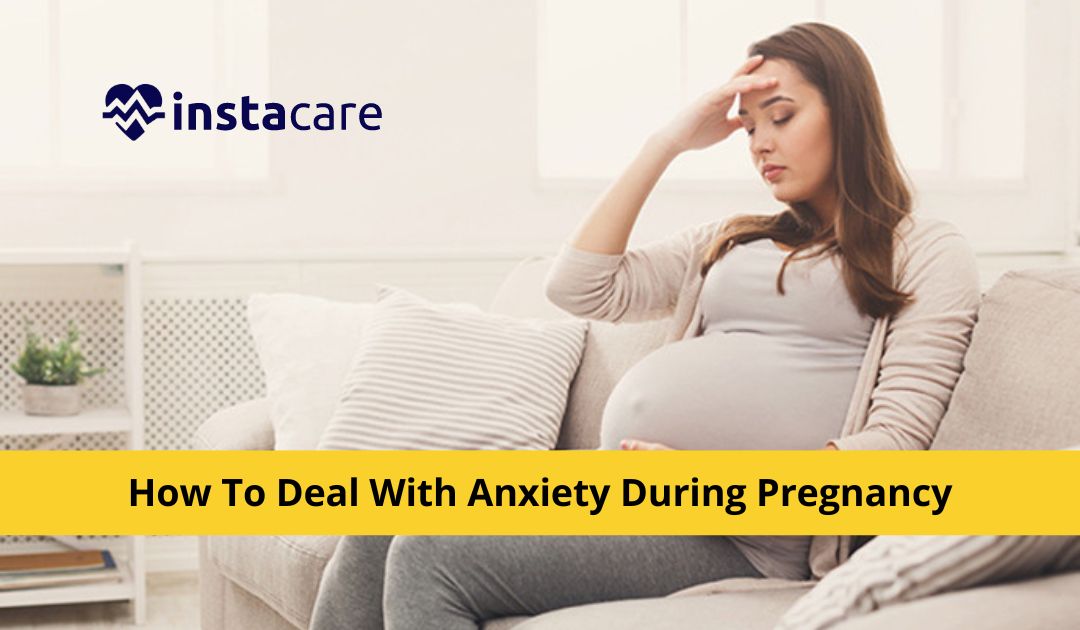
Pregnancy is an extraordinary and energizing time in a
lady's life; however, it can achieve different personal difficulties, including
nervousness. Managing tension during pregnancy is pivotal for the prosperity of
the eager mother and her creating child. While it's normal to be nervous,
over-the-top pressure can have adverse consequences. This guide gives valuable
procedures and tips for overseeing nervousness during pregnancy.
Understand Normal Pregnancy Anxiety
Recognizing that feeling anxious during pregnancy is a
common experience is essential. Hormonal changes, physical discomfort, fear of
the unknown, and concerns about the baby's health are all potential triggers
for anxiety. Acknowledging that anxiety is a normal part of the pregnancy
journey can help reduce feelings of guilt or shame.
1- Open Communication
Talk to your partner, friends, family, or a healthcare
professional about your feelings. Sharing your anxieties can provide emotional
support and help you feel less isolated. Partners can be beneficial in offering
reassurance and understanding.
2- Build A Support Network
Surround yourself with a robust support system. Attend
prenatal classes, join support groups, or connect with other expectant mothers
indeed who can relate to your experiences. Sharing stories and advice can help
normalize feelings and provide a sense of community.
3- Educate Yourself
Knowledge is empowering. Learn about the different stages of
indeed pregnancy, childbirth, and baby care. Understanding what to expect can
help alleviate fears of the unknown. However, avoid over-consuming information,
as excessive reading or online research can contribute to anxiety.
Practice Mindfulness And Relaxation Techniques
Mindfulness and relaxation techniques, such as indeed deep breathing, meditation, and also progressive muscle
relaxation, can also help reduce anxiety.
Regularly practising these techniques can create a sense of
calm and improve your ability to manage stress.
1- Stay Active
With your healthcare provider's approval, regular physical
activity can help reduce anxiety. Exercise releases endorphins, which are
indeed natural mood boosters. Activities like walking, swimming, and indeed
prenatal yoga are gentle on the body and promote well-being.
2- Balanced Nutrition
A healthy diet can impact both physical and emotional
well-being. Focus on nutrient-rich foods, including whole grains, lean
proteins, fruits, and vegetables. Avoid excessive caffeine and opt for foods
that stabilize blood sugar levels to prevent mood swings.
3- Prioritize Sleep
Sleep is essential for managing anxiety. Establish a bedtime
routine and indeed create a comfortable sleep environment. Consider using
pillows to support your changing body and alleviate discomfort. If insomnia
persists, discuss sleep strategies with your healthcare provider.
4- Set Realistic Expectations
Pregnancy often comes with expectations, both self-imposed
and external. Setting realistic expectations for yourself is crucial, and
acknowledging that only some things will go according to plan. Be kind to
yourself and remember that perfection is not the goal.
5- Seek Professional Help
If anxiety overwhelms and interferes with your daily life, consider seeking professional help. Mental health professionals, such as indeed therapists or counsellors, can provide strategies to manage stress. Medication may be recommended in some cases, but this decision should be made in consultation with a healthcare provider.
6- Plan For Self-Care
Make self-care a priority. Engage in indeed activities that
bring you joy and relaxation, whether reading a book, taking a warm bath, or
spending time in nature. Regular self-care can help recharge your emotional
reserves.
7- Create A Birth Plan
Creating a birth plan can help alleviate anxiety about
labour and delivery. Discuss your preferences indeed with your healthcare
provider and your birthing team. Knowing you have a plan can provide a sense of
control and reduce uncertainty.
8- Practice Time Management
Pregnancy can create a sense of urgency to prepare for the
baby's arrival. Break tasks into manageable steps and prioritize what truly
needs to be done. Delegate tasks when possible and avoid overburdening yourself
with unnecessary stress.
9- Focus On Breathing Techniques
Deep breathing exercises can be incredibly effective in
reducing anxiety. Practice diaphragmatic breathing by indeed inhaling deeply
through your nose, letting your abdomen expand, and exhaling slowly through
your mouth. This technique can be used anywhere, and anytime you feel anxious.
10- Limit Negative Self-Talk
Replace negative thoughts with positive affirmations.
Challenge irrational fears by asking yourself for evidence to support them.
Shifting your perspective from fear to empowerment can significantly impact
your anxiety levels.
11- Embrace Change And Uncertainty
Pregnancy is a time of constant change and unpredictability.
Embrace the uncertainty as a part of the journey. Practising adaptability and a
flexible mindset can help reduce anxiety related to the unknown.
Conclusion
Managing anxiety during pregnancy is a multifaceted endeavour that requires patience, self-awareness, and a combination of strategies. By implementing these practical tips and incorporating those that resonate with you, you can navigate the challenges of pregnancy with greater emotional well-being. Remember that seeking professional help is indeed a sign of strength, not weakness indeed if your anxiety becomes overwhelming. Every step to manage your stress contributes to a healthier and more joyful pregnancy experience.