What is Asterixis?
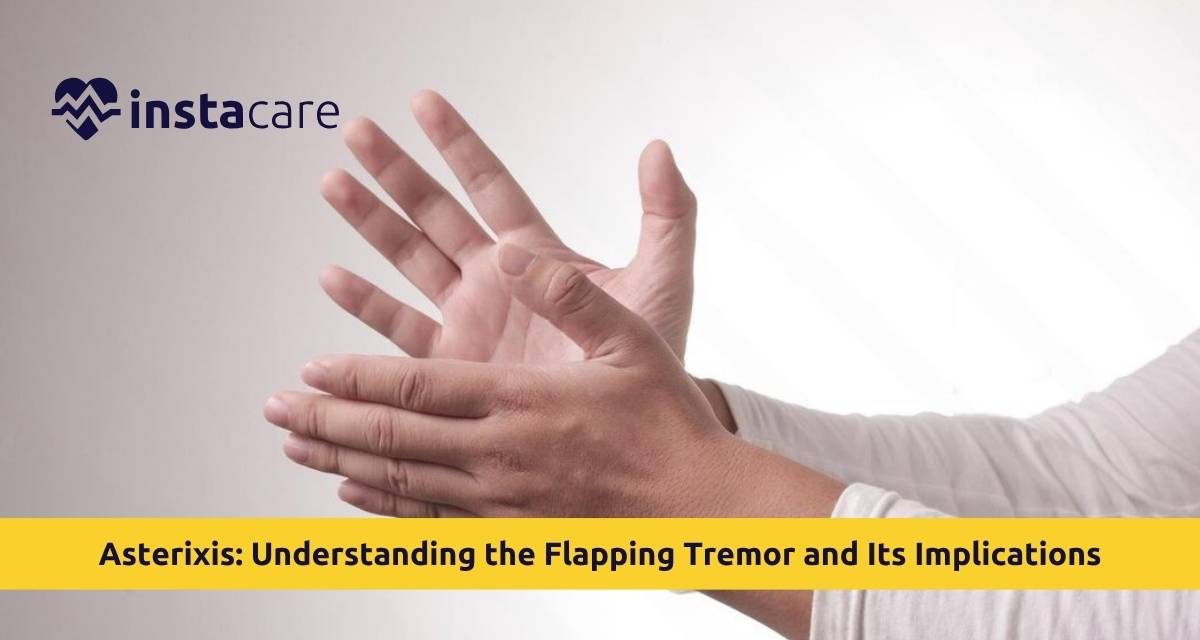
Asterixis is a motor disorder that consists of a small, involuntary loss of muscle tone. This causes an abrupt, discontinuous flapping movement, usually of the hands, although it also may involve the arms, legs, or head. When the person who has asterixis is requested to stretch out their arms and wrists, one will notice that a visible jerking or flapping action can be observed, with the hands rapidly lifting and falling, in an attempt to shake off an invisible object.
Asterixis is not a pathology but is the clinical manifestation of various medical diseases. It is also mostly linked with metabolic conditions, especially liver dysfunction and high blood ammonia concentration.
Causes of Asterixis
The Asterixis causes normally induced by a medical condition that influences the central nervous system or metabolic functions. The most frequent reasons are:
- Hepatic Encephalopathy: The hepatic encephalopathy is one of the most familiar etiologies of asterixis that occurs due to accumulation of toxins especially ammonia in the blood as a result of liver failure. This can influence the functioning of the brain resulting in various types of neurological symptoms, including asterixis.
- Renal Failure (Uremic Encephalopathy): When the kidneys fail, the presence of waste products and toxins in the blood (uremia) may result in such comparable neurological abnormalities as asterixis.
- Respiratory Failure: Asterixis can be a consequence of seizural neurological dysfunction due to severe hypoxia or respiratory failure that ultimately causes metabolic acidosis.
- Electrolyte Imbalances: Hypokalemia (low levels of potassium) or hypomagnesemia (low levels of magnesium) may cause muscle dysfunction and result in the occurrence of asterixis.
- Drugs and Toxins: Asterixis may be a side effect of some drugs including sedatives, anticonvulsants and some antibiotics. This may also be caused by toxins like carbon monoxide poisoning.
- Neurological Conditions: Asterixis may be related to some neurological disorders Parkinson disease, stroke and brain trauma, and neurodegenerative disorders (such as Wilson disease and other disorders that impair brain function).
- Metabolic Disorders: The most frequent causes of asterixis are metabolic disorders, especially liver or kidney metabolic disorders. These states interfere with normal biochemical activities creating the typical tremors.
Symptoms of Asterixis
The main Asterixis symptoms is the apparent flapping tremor, which is experienced by an individual trying to maintain a fixed position. The features of this tremor are:
- Sudden Flapping Movements: The patient may have sudden, jerking movement of the arms or wrists where the hands or fingers will suddenly stretch and fall back in a flapping-like motion.
- Intermittent Tremors: This type of tremor is intermittent and the tremor takes short bursts of flapping activity then a period of rest.
- Lack of Fine Motor Control: The individuals with asterixis are usually not able to perform fine motor activities like writing or buttoning clothes because they lack control over their muscles.
- Position aggravation: The shaking is much more evident when the person is holding his arms or hands in a particular posture, as in the case of extending the arms in front of the person.
Diagnosis of Asterixis
Asterixis diagnosis is done by a medical practitioner during a physical examination. The diagnostic process entails:
- Clinical Observation: A doctor will request a patient to stretch his arms and wrists and watch the typical flapping movements. This is usually achieved in a reclining sitting posture where the patient is requested to have his hands stretched out.
- Neurological Examination: A comprehensive neurological assessment is required to find out whether the patient has any underlying conditions in the nervous system or metabolic processes.
- Laboratory Tests: Blood tests are important to determine the functioning of kidneys, liver, the level of ammonia (in hepatic encephalopathy cases) and the electrolytes. These are tests that can be used to detect possible metabolic imbalances that could be the cause of asterixis.
- Imaging Studies: In certain instances, imaging examinations such as MRI or CT scans could be required to exclude structural abnormalities or diseases of the brain such as stroke or neurodegenerative diseases.
- Electroencephalography (EEG): An EEG can be applied in certain situations to measure the brain wave patterns and to identify any abnormal electrical activity of the brain.
Treatment of Asterixis
The Asterixis treatment depends on the underlying cause of the condition. The symptoms of asterixis can be alleviated in many cases by addressing the underlying cause.
- Treatment of Liver Disease: The treatments of hepatic encephalopathy are aimed at enhancing liver functions and limiting the build-up of the toxins. This can be in the form of drugs like lactulose to reduce the amount of ammonia or as a final solution liver transplantation can be resorted to.
- Treatment of Renal Failure: When asterixis is caused by kidney failure, dialysis can be conducted to take away wastes in the blood and to normalize the kidney functions.
- Electrolyte Correction: In case, the electrolyte imbalance is the cause of the asterixis, the symptoms could be corrected by intravenous (IV) fluids or oral supplements that replenish the missing electrolytes.
- Medication Changes: In case of medications or toxins being considered to be the cause of asterixis, a change or stopping of the drugs that cause the condition may improve the condition.
- Treatment of Underlying Neurological Conditions: When asterixis is related to neurological conditions, management can include treatment of the underlying disease (e.g. Parkinson disease) with specific drugs or therapies.
Complications of Asterixis
Asterixis does not pose any real threat but when untreated, the underlying conditions that result in the development of asterixis may cause serious health complications, including:
- Cognitive Decline: In hepatic or uremic encephalopathy, the conditions are untreated and may result in deterioration in brain functions and cognitive decline.
- Risk of Seizures: Metabolic imbalances or drugs that add to the development of asterixis may also add to the risk of seizures.
- Motor Dysfunction: Asterixis may cause motor coordination problems and impede daily activities in severe cases resulting in a quality of life decline.
Prevention of Asterixis
Because asterixis is a symptom, not a disease, its prevention is achieved by dealing with its causal factors. The risk of asterixis can be minimized through early diagnosis and control of liver and kidney diseases, close supervision of medications, etc. Its occurrence can be prevented by regular check-ups and proper management of the metabolic imbalances.
Conclusion
Asterixis is a medical sign which acts as an indicator of neurological or metabolic disorder. The condition is not dangerous but is a good indicator of severe health problems that need immediate care. Knowing the causes and symptoms of asterixis, people will be able to address medical attention and avoid complications. In case you or the person you know has the symptoms of asterixis, it is important to talk to the healthcare specialist to diagnose and treat the underlying condition successfully.
Please book an appointment with the best Neurologist in Lahore, Karachi, Islamabad, and all major cities of Pakistan through Instacare, or call our helpline at 03171777509 to find a verified doctor for your disease.