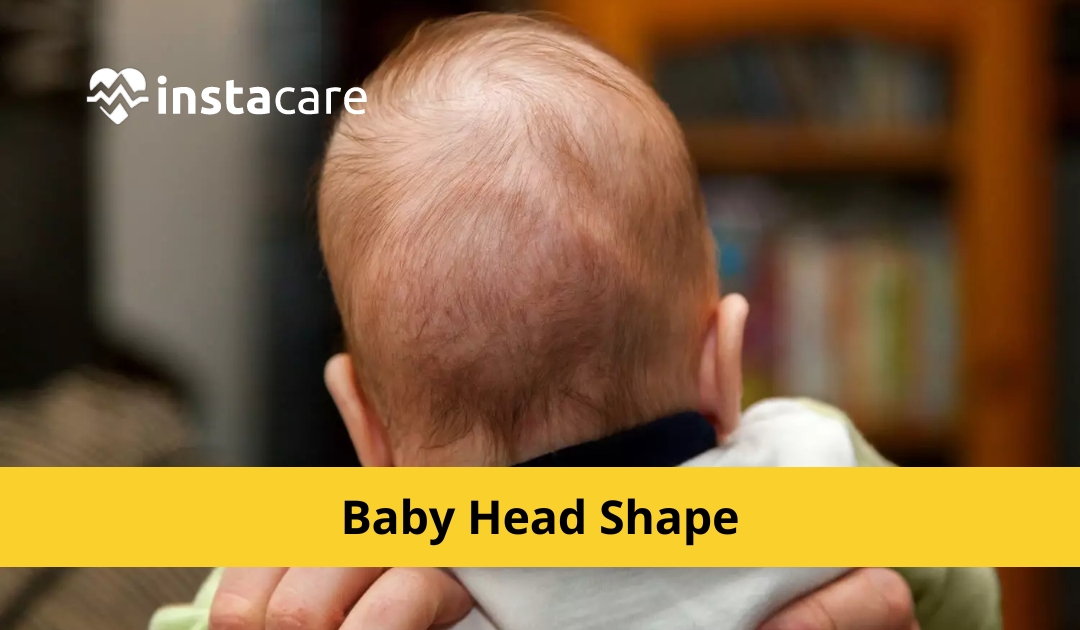
As a parent, the physical and cognitive development of your child is incredibly important. From making sure that their motor skills are developing well to ensuring proper nutrition, parental care can make all the difference in reaching milestones. One particular physical detail that parents often become concerned about is head shape—but when should you really worry? Understanding why certain head shapes occur and what signs indicate potential health problems can help put worried moms and dads at ease while allowing them to take appropriate actions if necessary. So let's delve into what may cause an infant's head shape to be asymmetrical or misshapen, as well as how it could potentially point towards something more serious than cosmetic issues like flat spots on the back of the head or even plagiocephaly (occipital flattening).
What causes baby head shape changes?
1- Birth
The moment a baby is born is a magical experience for parents. However, many new parents are surprised to find that their baby's head is not perfectly round. In fact, due to the birthing process, the pressure exerted on an infant's skull may cause changes in the shape of their head. This is known as positional plagiocephaly, and it can occur when a baby spends too much time in one position, such as sleeping on their back.
While it may seem alarming to some parents, positional plagiocephaly is common and typically corrects itself over time. It's important to monitor your baby's head shape and talk to your pediatrician if you have any concerns. By taking action early, you can ensure your baby's head shape returns to normal.
2- Positional head changes
As new parents, we're often concerned about the shape of our baby's head. It's difficult not to worry if we notice any abnormalities in our little one's appearance. In particular, positional head changes can cause the shape of a baby's head to change, creating a sense of panic in new moms and dads. These types of changes can occur when babies spend too much time lying down in the same position or when their heads are supported inadequately.
However, with proper attention and care, most cases of positional head changes can be resolved relatively easily. Parents can take comfort in knowing that they have a variety of resources available to them, including repositioning techniques and use of special pillows and helmets if deemed necessary by a medical professional.
3- Birth defect
A baby's head is a delicate part of their tiny bodies, and any changes in its shape can cause alarm for new parents. Birth defects can happen for various reasons, including genetic mutations, infections during pregnancy, and exposure to harmful environmental factors. However, when it comes to changes in a baby's head shape, there are several specific causes.
One of the most common is positional plagiocephaly, where repeated pressure on a particular area of the skull flattens the head. Another cause is craniosynostosis, a condition in which one or more of the sutures in a baby's skull fuse too early, leading to an abnormal head shape. Proper diagnosis and treatment of birth defects causing head shape changes are critical for a baby's healthy development.
View More: Vaginal Swelling - Causes Symptoms And Treatment
When to worry about a baby’s head shape?
Every new parent wants their baby to be healthy and happy, and that includes making sure they are developing properly. One concern that may arise is the shape of the baby's head - is it too flat? Too round? Although some irregularities may be common in newborns, there are certain instances where parents should seek medical attention.
For example, if a baby's head is consistently tilted to one side or they have a severe flattening on one side, it could be a sign of a condition called plagiocephaly. It's important to remember that babies' heads are still growing and changing, so a slightly uneven shape may not necessarily be a cause for alarm. However, if you have any concerns about your baby's head shape, it's always best to check with your pediatrician to ensure your little one is on track.
How are different baby head shapes treated?
As every new parent knows, a baby's head can come in a variety of shapes and sizes. While many infants' heads are pleasingly round, others may exhibit a flatter back or sides that bulge outwards. Fortunately, there are a range of treatments available for babies whose heads present with an unusual shape.
Depending on the case, a doctor may recommend everything from repositioning techniques to special helmets designed to encourage growth in particular areas. While the process may take time, parents can feel confident that their child's head shape can be successfully treated with the right intervention.
1- Change your baby's position
As a new parent, nothing is more important than the safety and well-being of your baby. One aspect of infant care that may not receive as much attention, however, is the shape of your little one's head. While some babies are born with perfectly round heads, others may have an asymmetrical shape due to extended periods of time spent in the same position.
Luckily, there are a variety of treatments available to help correct different head shapes, including repositioning your baby during sleep and frequent tummy time. By taking proactive steps to address your baby's head shape, you can ensure that they grow and develop without any unnecessary discomfort or complications.
2- At-home treatment
As many new parents come to realize, every baby is unique and comes in different shapes and sizes, including their little heads. While some babies are born with perfectly round heads, others may have a slightly flat or misshapen head due to positional plagiocephaly, or simply being born with a more pronounced molding of the skull.
Fortunately, there are some simple at-home treatments that can help improve the appearance of a baby's head shape, such as repositioning techniques, tummy time, and supervised helmet therapy. As a parent myself, i know how important it is to ensure your baby is healthy and happy from head to toe, and these simple treatments can make all the difference in supporting their overall growth and development.
3- Baby helmets
As a parent, the safety and well-being of your baby are always a top priority. That's why baby helmets are becoming more common in treating abnormal head shapes that can result from conditions such as positional plagiocephaly or craniosynostosis. These helmets are individually custom-made to fit your baby's specific head shape and encourage proper growth and development.
Although the idea of putting a helmet on your little one may seem daunting, rest assured that the process is painless and can greatly improve your baby's quality of life in the long run. Consulting with a pediatrician or specialist can help determine if a baby helmet is the right treatment option for your little one.
Other treatments
As every baby is different, it is not uncommon for them to develop differently shaped heads. While some may correct themselves with time, others require more specialized measures to get back to their normal shape. Thankfully, there are numerous treatments available for different baby head shapes. For example, if your baby has a flat head, physical therapy, repositioning techniques or a specialized helmet may be recommended.
On the other hand, a pointed or cone-shaped head may require a different approach altogether. Regardless of the type of head shape, it is important to work with your pediatrician and a specialist to determine the best course of action for your child. With proper treatment, you can look forward to your baby developing a healthy and aesthetically pleasing head shape.
When to see your pediatrician
As new parents, it can be overwhelming to see your baby's head take on a distinctly different shape than what you expected. While some variation in head shape is normal, certain types of head shapes may require medical attention. If you notice your baby's head becoming flat on one side or developing a cone-like shape, it's important to consult with your pediatrician.
Treatments such as tummy time, repositioning the baby during sleep, and using helmets can help correct these head shapes. Remember, your pediatrician is there to answer any questions or concerns you may have, and it's always better to err on the side of caution when it comes to your baby's health.
Conclusion
In conclusion, it's important to keep in mind that the shape of your baby’s head will naturally change over time. Although there are certain conditions and scenarios that require immediate medical attention, many head shapes can improve without specialized help. As a parent, keeping an eye on any changes in your child’s head shape is advised. Watching for increased bulging or flattening in one area of their head may be indicative that corrective measures need to be taken.
If you are ever unsure of what is happening with your baby's head shape, consulting your pediatrician is highly recommended. They can provide helpful tips and advise based on their experience and knowledge. Careful monitoring and timely intervention will ensure that your child has a healthy head shape throughout their growing years!
Please book an appointment with the best Gynecologist in Lahore, Karachi, Islamabad, and all major cities of Pakistan through InstaCare, or call our helpline at 03171777509 to find the verified doctor for your disease.