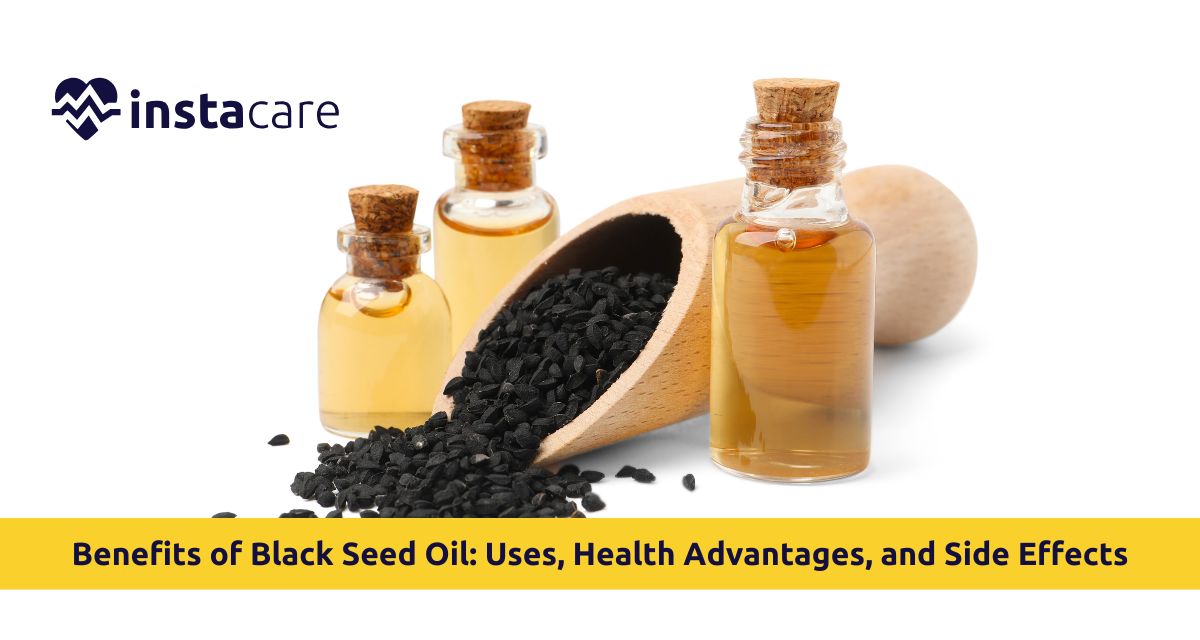
Long recognized in ancient healing systems, black seed oil comes from Nigella sativa seeds found widely in Asia and the Middle East. Its strength lies not in trends but in consistent historical use over generations. Research today examines effects once known only through tradition. Because of its broad activity, it plays roles in maintaining body defenses. While origins are old, interest grows due to measurable outcomes seen in recent studies.
What are Black Seeds?
Originating in Southwest Asia, black seeds grow on the Nigella sativa plant, a modest flowering species. Used across millennia, they appear in medical texts from Egypt, Greece, and early Islamic civilizations. Though small in size, these dark grains hold more than one hundred distinct compounds. Among them, thymoquinone draws significant research attention due to its role in the oil's observed biological activity.
Nutritional Profile of Black Seed Oil
Among plant-based oils, few carry the nutrient density found in black seed oil benefits. Its profile features linoleic acid along with oleic acid, both vital fats required by the body. Present within are active substances such as thymoquinone, thymohydroquinone, and thymol, known for countering oxidative stress and calming inflammation. Not limited to these, it delivers B1, B2, and B3 vitamins together with minerals like calcium, iron, zinc, copper, phosphorus, and folate.
Various Benefits of Black Seeds
Powerful Anti-Inflammatory Properties
Remarkably effective against inflammation, blackseed oil for inflammation lowers persistent markers across bodily systems. Through its thymoquinone, suppression of inflammatory signals occurs quite naturally. Relief achieved often mirrors that of standard pharmaceuticals. Fewer adverse reactions are reported with this plant-based option.
- Reduces inflammatory cytokines and markers
- Joint discomfort sees reduction through eased arthritic effects
- Supports recovery from inflammatory conditions
- Helps manage autoimmune inflammation
Enhanced Digestive Health
From ancient practice comes a remedy known for calming digestive unrest. Blackseed oil for digestion ability to ease bloating, minimize gas, or soothe abdominal tension stems from natural soothing actions. Alongside these effects, it contributes to maintaining beneficial microbes within the intestines. Over time, consistent intake may aid enzymes involved in breaking down food.
- Bloating finds relief through its influence on digestion
- Supports healthy gut microbiome
- Reduces symptoms of irritable bowel syndrome
- Protects against stomach ulcers
Blood Sugar Management
When used consistently, blackseed oil for diabetes may assist in maintaining balanced blood sugar. Evidence suggests improved response to insulin follows routine intake. This natural substance could support standard care strategies. Some findings point toward lower morning glucose readings. Its role remains supportive rather than primary.
- Better response by cells to insulin occurs alongside enhanced release from pancreatic tissue
- Helps lower fasting blood glucose levels
- Reduces HbA1c in diabetic patients
- Supports pancreatic beta cell function
Read More: 10 Benefits of Black Pepper
Cardiovascular Support
Heart health gains notable support from black cumin seed oil via several pathways. By reducing blood pressure, it contributes to more stable circulatory function; similarly, its influence on cholesterol brings levels into a healthier range. Arterial walls remain clearer due to interference with plaque buildup. Protection against oxidative stress emerges through natural compounds that guard vessel integrity.
Immune System Enhancement
Immune balance begins with black cumin seed oil, known for influencing how the body responds to threats. Rather than simply boosting defenses, it adjusts cellular behavior, supporting readiness without excess reactivity. Through steady influence on white blood cells, protection becomes more consistent across seasons. Such adaptability makes it relevant during illness risk periods.
Respiratory Health Improvement
Respiratory health may improve with blackseed oil, due to its ability to relax airway muscles. Because of natural compounds within it, breathing becomes less strained for some individuals. In cases of asthma, symptom intensity appears lower when this oil is used consistently. Lung performance shows signs of stability over time with regular intake.
Skin Health and Beauty
Starting with its composition, black seed oil supports skin due to high levels of essential fatty acids along with natural resistance to microbes. Applied on the surface or taken by mouth, it acts on conditions like acne, eczema, psoriasis, improving moisture retention and flexibility. Protection from early signs of aging comes from compounds that neutralize harmful effects caused by surroundings.
Weight Management Support
One way to support weight control involves using black seed oil on a routine basis. With consistent intake, metabolic activity can become more balanced. Appetite tends to lower, especially when paired with sound daily habits. Body mass index often shows gradual decline under these conditions. Changes in how the body responds to insulin play a role too.
How to Use Black Seed Oil?
A small amount each day may support general well-being when taken by mouth. One option is consuming it straight; another involves blending it with honey or a fruit drink. Smoothie recipes sometimes include this oil as an ingredient. Salad mixes gain flavor and texture when dressing contains a few drops. Skin contact is possible through direct application. Blackseed oil uses extend to massage routines when combined with neutral base oils. Methods differ based on personal preference. For ease of use, a few choose capsule form, often at 500 to 1000 milligrams two times per day. Beginning with lower amounts is common to see how well it is tolerated.
Side Effects and Precautions
Though typically well tolerated, black seed oil can lead to minor issues for certain users. Digestive discomfort, feelings of nausea, or skin irritation upon contact might occur in rare cases. For those expecting a child or nursing, it is better not to use this oil, evidence on safety remains incomplete. Interference with medicines that manage blood sugar, blood pressure, or clotting ability has been noted; speaking with a medical professional becomes necessary under such conditions. Prior to any surgical procedure, stopping intake at least fourteen days ahead could be wise because of how it influences blood coagulation.
Conclusion
What stands out about black seed oil is its wide range of effects, making it notable among plant-based options for addressing different physical needs. Because research supports its role in calming bodily responses, it finds use where balance is needed. In matters involving food breakdown and gut function, many turn to this extract for gentle influence. For those monitoring blood sugar levels, early findings suggest possible support through consistent intake. Even with long-standing roots in traditional practices, current studies lend credibility to some applications. As long as usage follows safety guidelines, integration into daily routines may contribute positively across several areas of physiology.
Please book an appointment with the best Nutritionist in Lahore, Karachi, Islamabad, and all major cities of Pakistan through InstaCare, or call our helpline at 03171777509 to find a verified doctor for your disease.