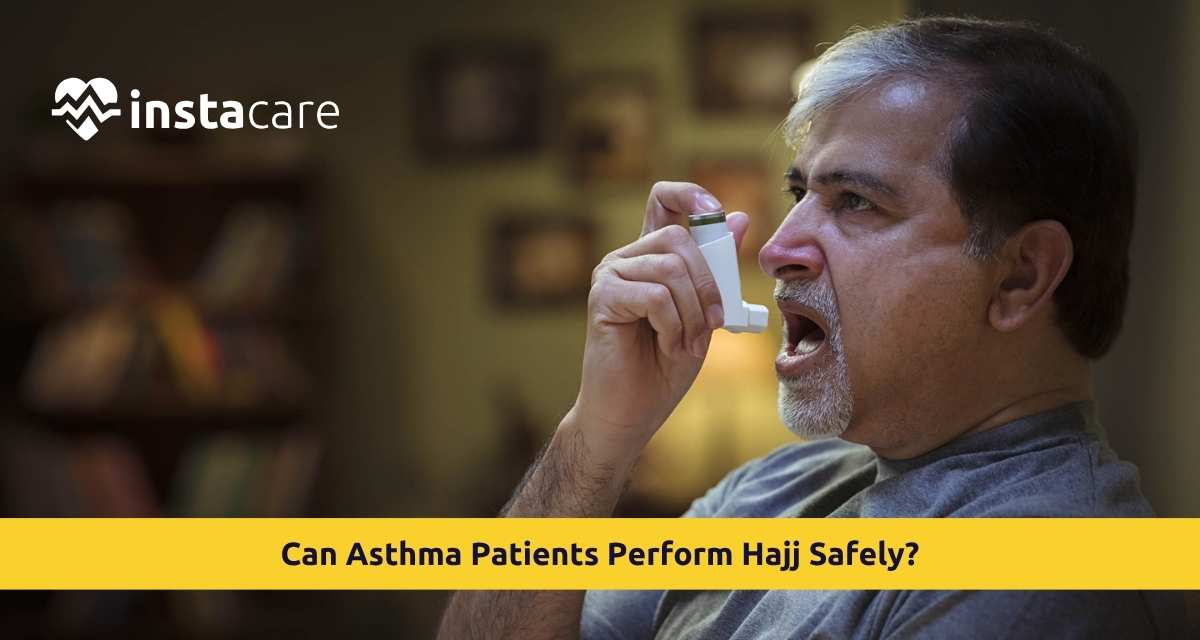
aa A chronic respiratory disease causing airway restrictions because of inflammation and airway constriction (asthma) should be given much attention, particularly in such a busy and hot place as Mecca. This blog discusses the safety of asthma patients attending Hajj, outlines the necessary tips and factors to consider to ensure their safety and well-being.
Understanding Asthma and Hajj
Various environmental factors that can cause asthma symptoms include dust, allergens, cold air, air pollution, and extreme physical activity. Since pilgrims who attend Hajj walk long distances in hot and dry land in places that are congested with people, it is vital to have knowledge of how these aspects can affect asthma and take the necessary measures to control the disease.
Dust and pollution can be a concern to asthma patients, modeling the air quality in the city of Mecca and the areas around it, particularly during high seasons. Extreme heat can also lead to an asthma flare-up since it may dry the airways and cause people to have trouble breathing. Pilgrims tend to stay in close areas and the chances of airborne infections are higher and can also exacerbate asthma symptoms.
Nevertheless, asthma patients are able to take Hajj with caution provided reasonable precautions are taken. Following are the ways in which they can cope with the condition and have a good time without threatening their health.
1. Consult with a Healthcare Provider Before Departure
The first and most important thing that an asthma patient should do before going to Hajj is a visit to the healthcare provider. A specialist or doctor can determine the intensity of asthma and offer personal health specific guidance. It is probable that the doctor will check the medications the patient is currently taking and will change dosages, prescribe other medications or recommend preventive actions to better control the symptoms of asthma during the pilgrimage.
Questions to ask your doctor:
- Existing asthma treatment program.
- Triggers that could happen during Hajj and the ways to prevent them.
- Drugs, how to transport them, and inhalers.
- Emergency plans for asthma attack.
2. Keep Essential Medications and Equipment Handy
Drugs that are used to treat asthma including inhalers (shorts acting bronchodilators), and corticosteroids (preventive) should be packed at all times during the Hajj. These drugs are useful in the treatment of symptoms as well as prevention of attacks. It is also important to carry extra inhalers or medicine in case of loss or damage of the original ones.
A peak flow meter, which aids in checking the quantity of air flowing in the lungs, can be an aid too. This device enables the patient to monitor their asthma conditions and prevent early signs of asthma attack. A doctor note with the description of the patient having asthma, medications prescribed, and the actions to take in an emergency should also be carried by the patient and might be helpful in case he/she requires medical help.
3. Be Aware of Environmental Triggers
During Hajj, the asthma patients should be exposed to known asthma triggers minimally or avoid them. In Mecca and Medina, some of the typical triggers are:
- Dust and pollution: Cities, and especially around the peak Hajj periods, can be quite dusty and thus can be a source of irritation to the airways of asthma patients. A face mask should be put on by the pilgrims to reduce the amount of dust and pollutants.
- Hot and dry weather: This hot weather may cause the throat to dry up and this may lead to an asthma attack. One must remain hydrated and should not do any physical work during the nicest times of the day.
- Crowded areas: Crowds in addition to having the potential to boost susceptibility to respiratory infection, can heighten stress and anxiety, which can in turn worsen asthma symptoms. Breaks should be taken in less crowded places and stress should be overcome.
Book your 17-OH Progesterone test at Citi Lab today and enjoy an exclusive 15% discount!
4. Hydrate and Have a Nap
Hajj is performed by walking extensive distances and pilgrims tend to exhaust themselves during ritual. Patients need to remember to be hydrated because dehydration can exacerbate asthma. The intense heat may also predispose one to dehydration, and thus one should drink as much as possible of water and avoid caffeinated and sugary beverages that predispose one to dehydration.
It is also essential to take rest breaks. Knowing that overexertion may be the cause of fatigue and increasing difficulty in coping with asthma symptoms. The patients are advised to take their time particularly during the Tawaf (circumambulation) and the Sa’i (the walk between the hills of Safa and Marwah), and have breaks when need be.
5. Practice Proper Breathing Techniques
Asthma patients can use deep breathing exercises to cope with their illness. Expelling air through the mouth and breathing in via the nose assists to control the flow of air and avoid attacks of asthma. This is because patients are not encouraged of shallow breathing especially during walk in hot and crowded environments.
Steam breathing or a humidifier could also alleviate breathing should the air turn dry or dusty. Nevertheless, it is advisable to take great care when employing such techniques, particularly in an open environment, so as not to contract diseases nor propagate asthma symptoms.
6. Know When to Seek Medical Help
Even with all precautions, it might happen that the asthma triggers during Hajj are aggravated or that an asthma attack takes place. It’s crucial to know when to seek medical help. Pilgrims can receive emergency services in Mecca and Medina, and the majority of health facilities know how to handle an asthma-related emergency.
Signs that immediate medical help is needed include:
- Dyspnea that is not relieved by medications.
- Chest tightness or talking problems.
- Further exertion on inhalers or other drugs with no effect.
- Wheezing or persistent coughing that doesn’t go away
Hajj authorities and local hospitals are better placed to deal with such scenarios and pilgrims must have contact numbers of local hospitals at hand.
7. Plan for Post-Hajj Follow-Up
Whenever asthma patients have received their Hajj back, they need to see their healthcare provider to review their progress, and alter any alterations in their asthma management plan. The review of the post pilgrimage assumes that complications or flare-ups will be dealt with as early as possible.
Conclusion
Proper preparation, management of asthma and taking of necessary precautions to avoid triggers can ensure that asthma patients safely go through Hajj. The risk that asthma patients face in this context could be reduced by consulting a healthcare provider prior to traveling, taking necessary medications, being mindful of the environment, and maintaining good self-care.
Although, traveling with asthma might be difficult due to the conditions (high temperature, dust, overpopulation, physical activity); these issues can be solved with a proactive perspective.
Please book an appointment with the best Pulmonologist in Lahore, Karachi, Islamabad, and all major cities of Pakistan through Instacare, or call our helpline at 03171777509 to find a verified doctor for your disease.