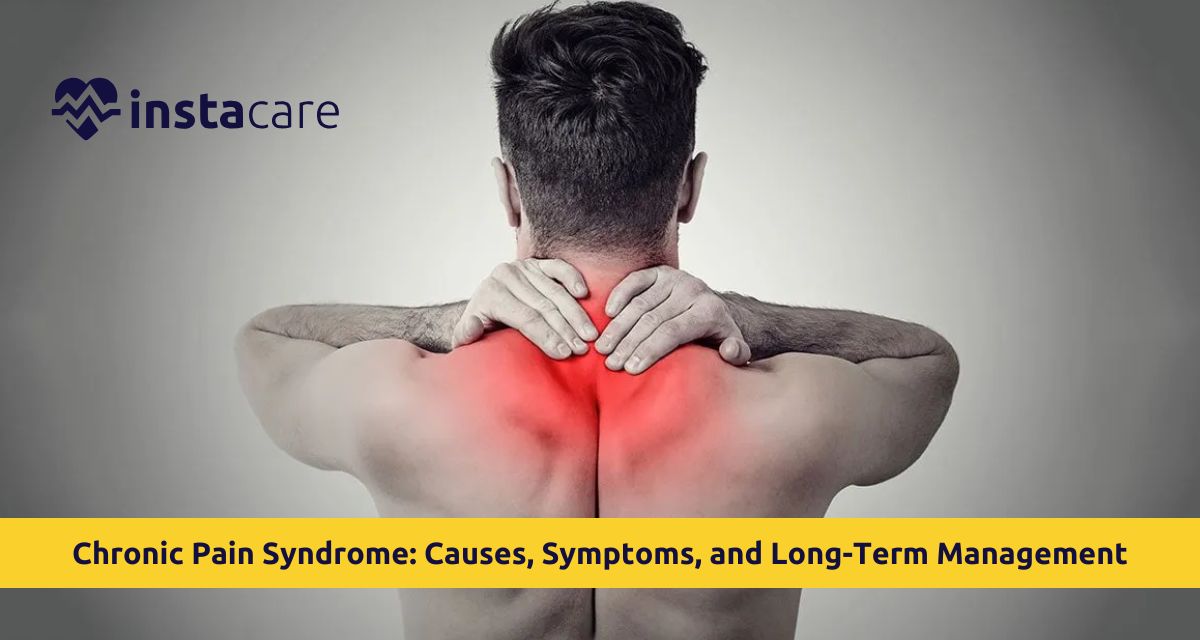
What Is Chronic Pain Syndrome?
Chronic pain syndrome is a complicated disorder that is associated with lasting pain that takes months or even years without a definite or continuous harm. In contrast to acute pain that has a protective role to play, chronic pain persists despite the fact that the tissues have healed or even where no cause is evident.
The pain can be either localized or general and it can vary in intensity. The nervous system becomes sensitive with time and increases pain signals. This brain alteration rationalises why individuals with persistent pain tend to feel pain to stimuli that is not painful, explaining the nature of chronic pain lasting far beyond expected healing timelines.
What Causes Chronic Pain Syndrome?
Chronic pain is multifactorial and depends on the individual. Chronic pain in most situations starts with an injury or illness, but progresses because of the alteration of the nervous system. These causes of chronic pain vary widely between individuals. Typical factors of contribution will include:
- Past injuries or surgeries which change nerve signalling.
- Arthritis and other inflammatory disorders.
- Damage of nerves caused by diabetes or spinal disorders.
- Constant physical exertion or bad posture.
- Musculoskeletal autoimmune diseases.
- Stress at the mental level enhancing the perception of pain.
Pain has a tendency to self-perpetuate even when the initial cause has been corrected in the treatment of certain individuals hence becoming more difficult to treat.
Common Symptoms of Chronic Pain Syndrome
The problem of chronic pain syndrome does not only impact the body. Its symptoms are physical and emotional, and usually both complementary, as well as mutually supporting. Physical symptoms can include:
- Constant dull, sharp or burning pain.
- Stiffness and mobility problems of muscles.
- Exhaustion and loss of energy.
- Sleep disturbances
- Emotional and cognitive symptoms usually include:
- Restlessness and temper tantrums.
- Problem with concentration, or loss of memory.
- A sense of powerlessness or irritation.
The fact is that chronic pain that is lasting longer than anticipated can slowly restrict the ability to engage socially and be independent, in the case of many people.
How Chronic Pain Syndrome Is Diagnosed?
Chronic pain syndrome has no single test that can be used to diagnose it. Rather, the diagnosis is through an in-depth assessment which involves the medical history, physical examination, along with symptom patterns. Doctors may use:
- X-rays or MRIs.
- Blood tests to exclude inflammatory or autoimmune diseases.
- When nerve damage is suspected nerve conduction studies are done.
- Severity and daily life questionnaires on the severity of the pain.
The evaluation of emotional health is also significant since the psychological factors might affect the magnitude of pain and reaction to treatment, making accurate diagnosis essential for effective chronic pain syndrome treatment.
Read More: POTS Syndrome: Symptoms, Causes, and Treatment
Conditions Commonly Linked to Chronic Pain Syndrome
Chronic pain syndrome is very common and is accompanied by other medical conditions as either a primary symptom or a complication. Usually related disorders are:
- Fibromyalgia
- Osteoarthritis and rheumatoid arthritis.
- Chronic lower back pain
- Migraine disorders
- Neuropathic pain disorders.
- Endometriosis
Such circumstances may form a vicious cycle in which pain increases physical constraints causing less physical activity and higher sensitivity to pain.
Treatment Options for Chronic Pain Syndrome
The treatment of chronic pain syndrome is geared towards the reduction of pain and improvement of both functions and the quality of life, but there is no universal cure. In many cases, management can only be effective when done through a multidisciplinary approach. You can be treated with:
- Other drugs that are used include anti-inflammatory medications, antidepressants or nerve pain medications.
- Exercise to gain movement and strength.
- CBT in relation to thinking patterns of pain.
- Surgical operations such as nerve blocks or shots.
- Behaviour change interventions such as exercise and sleep.
The aim is not merely to treat pain but also to ensure the patient can regain his/her capability of living a normal life and without fear.
Managing Chronic Pain in Daily Life
Daily self-care and adaptation are essential to long-term success. Effective chronic pain management strategies can guide people to be in control of their schedule. Helpful approaches include:
- Light exercise in the form of walking, swimming or yoga.
- Such stress management practices as breathing and meditation exercises.
- Scheduling activities to prevent flare-ups.
- Having regular sleeping patterns.
- Applying heat or cold where necessary.
Teaching to cope with pain instead of getting rid of it completely is usually more emotionally resilient and functional.
Mental Health and Chronic Pain Syndrome
Pain has a close connection with mental health. Chronic pain and mental health are two forces that affect one another. Continuous pain may result in anxiety, depression and social withdrawal, and mental health issues may increase the perception of pain. The studies possess a close relationship between chronic pain and depression as both disorders have common neurological pathways. Depression, despair, or lack of meaning is experienced by people who have chronic pain. Counseling, support groups or therapy of the mental health is an important part of the multidisciplinary pain management and cannot be ignored.
Conclusion
Chronic pain syndrome is a life changing disorder that goes way beyond the physical pain. It influences feelings, interpersonal relationships, and wellbeing. Although the process may be difficult, quality of life can be greatly enhanced by learning about the condition, finding out what triggers the condition, and implementing a management approach that is unique to oneself. Through proper treatment, emotional assistance and daily management techniques the sufferers can be taught how to live normally even with the pain they experience.
Please book an appointment with the best Neurologist in Lahore, Karachi, Islamabad and all major cities of Pakistan through Instacare, or call our helpline 03171777509 to find a certified doctor for your illness.