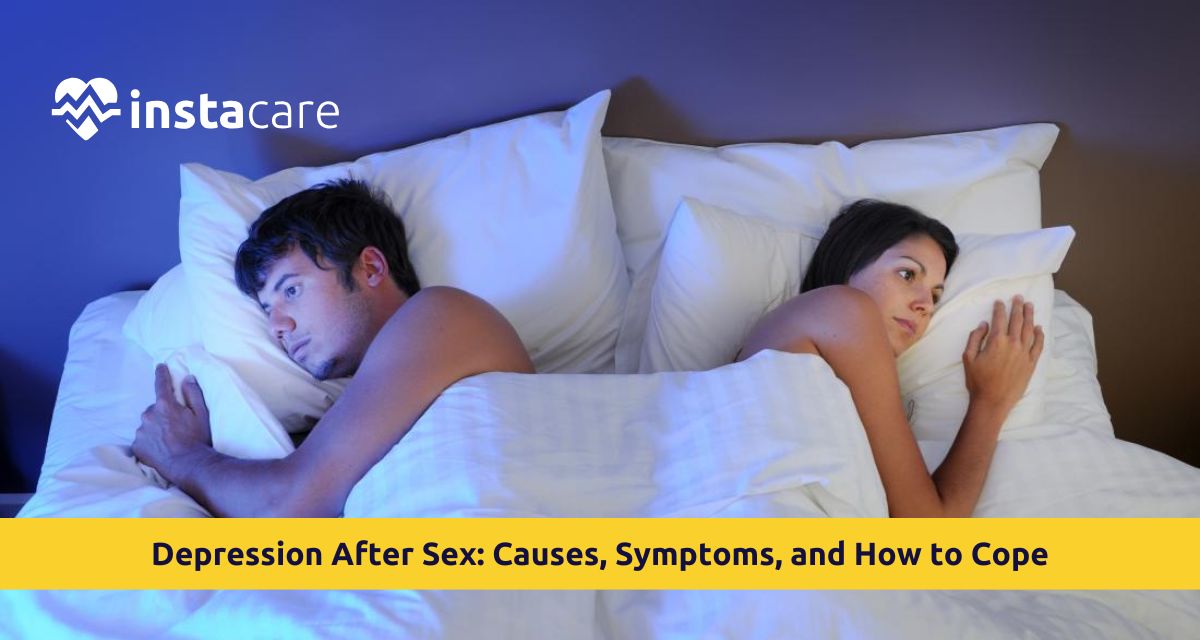
Pleasure, intimacy, and emotional attachment are some of the common associations that are attributed to sex. Nevertheless, in certain individuals intimacy can be succeeded by sudden sadness, emptiness or emotional anguish. Post sex depression is a fact and a known phenomenon that may occur to any person irrespective of gender, relationship status, and sexual satisfaction. It is also crucial to comprehend the reasons behind the occurrence of these feelings and how to deal with them in order to have healthy emotional experiences, as well as relationship experiences.
What Is Depression After Sex?
Depression after sex describes the feelings of sadness, anxiety, irritation, or emotion withdrawal that are experienced after consensual sex or orgasm. This is what is referred to in the medical fraternity as postcoital dysphoria where even after having positive and good sexual sessions, a person may end up experiencing this condition. It does not always relate to discontent with a partner or even the sex itself, but emotional, psychological, or biological causes.
Common Symptoms Of Depression After Sex
The condition manifests itself in different ways among people, although typical symptoms are:
- Sudden depression or crying without any reason.
- Sense-of emptiness or loneliness.
- Anxiety or restlessness
- Irritability or mood swings
- Lack of emotional attachment by a partner.
- Post-coital guilt or post-coital shame.
Such mood changes after sex can take a few minutes to several hours and can be occasional or recurrent.
Causes Of Depression After Sex
No one cause exists and in most cases, there are many factors which cause emotional distress following intimacy.
Hormonal and Chemical Alterations
During sex and orgasm the hormones released are dopamine, oxytocin, and endorphins which encourage pleasure and bonding. These are lost after the orgasm and therefore may lead to a low mood in some people. This chemical change can help in causing depression after orgasm particularly in individuals who are not immune to hormonal fluctuations.
Historical Trauma or Negativity
Those who have had a past experience of sexual trauma, abuse, and/or have been conditioned negatively to form certain ideas about sexuality, can, unknowingly, connect intimacy to distress. The trauma may even be triggered emotionally when the current experiences are safe and consensual but the previous trauma has not been resolved.
Emotional Vulnerability
Sex may generate an emotional exposure. To some, this weakness causes them to feel uncomfortable, scared of being attached or they feel they have lost something as soon as the intimate moment is over.
Relationship Issues
A conflict which does not get resolved, lack of emotional bond, or unfulfilled expectations in a relationship may become more conspicuous after sex, leading to sadness or dissatisfaction.
Subservient Mental Health Conditions
It can be enhanced by depressive moods or anxiety disorders or low self esteem that come after having intimacy. mental health and sex has a close connection and emotional conflicts tend to affect sex life.
Read More: How Does Depression Affect The Relationship Between Husband And Wife?
Is Depression After Sex Normal?
No, the fact that one feels emotionally uncomfortable after having sex is more widespread than some would assume. Rare instances may occur as a result of stress, exhaustion or emotional overload. But when such feelings are common, strong, and disrupt relationships and self-esteem, then it can signify a hidden problem that requires dealing with.
Impact On Relationships And Sexual Health
Sexual depression may occur both in individuals and couples. Individuals might start to shun close relations because of the fear of emotional torture which results into less intimacy and misunderstanding. Spouses are likely to be bewildered, hurt, or to blame the emotional change. In long-term, this may put a strain on communication, sexual satisfaction, and affect the health of the relationship in general adversely. The open discussion of the issue contributes to preventing the long-term harm and creates an emotional safety.
Treatment Options For Depression After Sex
Successful support is dedicated to emotional as well as psychological well-being.
Therapy and Counseling
One of the best techniques is professional counseling. The identification of triggers, processing emotions, and coping strategies that are more healthy can be achieved through cognitive behavioral therapy (CBT), trauma-informed therapy, or sex therapy. In most cases, this proves to be the most effective form of treatment for postcoital dysphoria.
Solving Intrinsic Mental Health Problems
Therapy, medication (when prescribed) and lifestyle change can dramatically mitigate the post-sex emotional distress.
Couples Therapy
In case relationship dynamics are involved, couples counseling helps to enhance communication, emotional intimacy and understanding.
Self-Care Tips To Manage Postcoital Depression
Besides professional care, symptoms may be managed with the help of self-care methods:
- Be open with your partner on how you feel.
- Take time to share emotions with each other after having sex including cuddling or chatting.
- Relaxation such as deep breathing or mindfulness.
- Record emotions in a journal to point out patterns or stimuli.
- Both nutrition and stress management should take a back seat to sleep.
- Do not blame or guilt of emotional response.
The development of emotional awareness can minimize the level of distress and the number of occurrences.
Conclusion
Post-sex depression is a desirable emotion that should be comprehended rather than criticized. The feelings may be caused by hormonal changes, moral weakness, past experience, or mental issues, but with the appropriate help, they can be handled. By means of self-awareness, communication, and professional assistance in case of necessity, people will be able to restore their emotional balance and lead a healthier and more rewarding intimacy.
Please book an appointment with the Best Psychologist in Lahore, Karachi, Islamabad, and all major cities of Pakistan through InstaCare, or call our helpline at 03171777509 to find the verified doctor for your disease.