What is Diathermy?
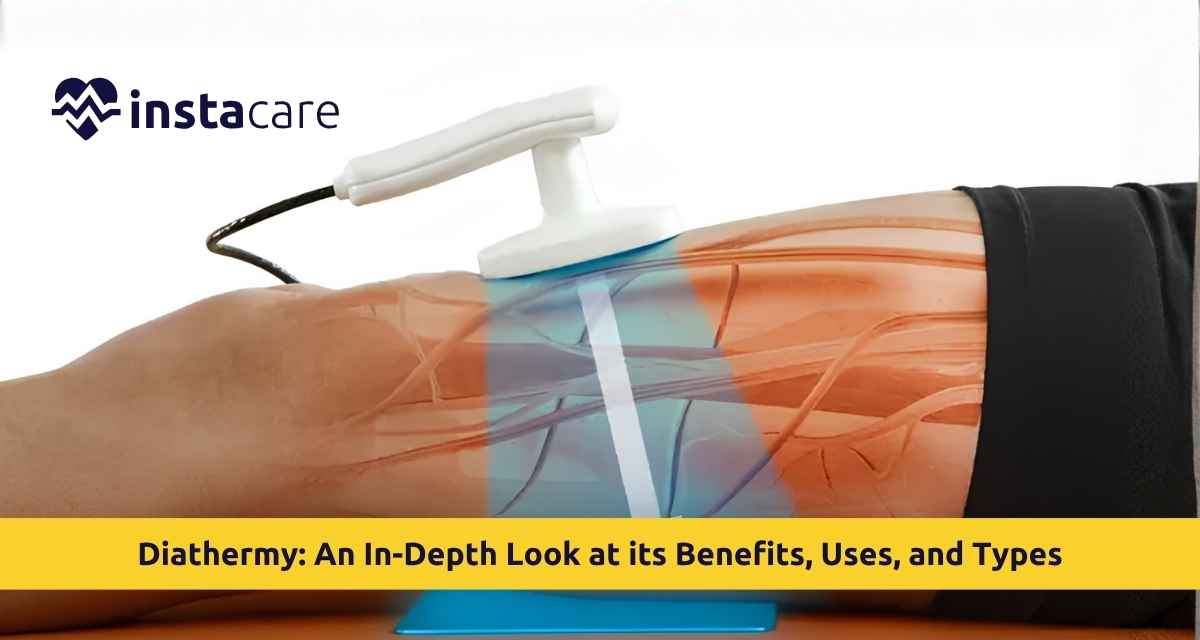
The use of the name is diathermy as the Greek dia means through and therma means heat. In effect, diathermy simply denotes the production of in-depth heat in tissues of the body through high power electromagnetic rays. The heat of diathermy treatment assists in enhancing the circulation of blood, relaxing of muscles and mending through the acceleration of metabolism.
Diathermy is more than 100 years old in medicine, and it continues to be a red-blooded component of the management of a variety of musculoskeletal and soft tissue disorders. Lack of penetration, Diathermy can propagate deep into the tissues unlike other superficial techniques of heating such as hot packs, hence diathermy is very useful in addressing deep muscle layers and joints.
Types of Diathermy
Diathermy is in three categories with each focused slightly differently. The most widely used ones are:
- Shortwave Diathermy (SWD): Shortwave diathermy uses high-frequency electromagnetic waves (13.56 MHz and 27.12 MHz) to generate heat. It works best when used in the treatment of deep tissue and joint related conditions. The mechanism of action in SWD consists of generating an alternating electric field resulting into the production of heat within the tissues. It is generally applied in the treatment of chronic ailments such as arthritis, muscle spasms and joint stiffness.
- Microwave Diathermy (MWD): Microwave diathermy uses higher frequencies (2450 MHz) than shortwave diathermy. It yields more heating and is usually administered when treating soft tissue injuries, i.e. sprains and strains. Microwave diathermy is however not as widely used as shortwave diathermy as there is some concern over the safety risks this type of diathermy could cause considering the high temperatures it produces.
- Ultrasound Diathermy: This form of diathermy involves using sound waves which are very high in order to penetrate deeply in tissues. It produces vibrations that produce heat and these improve the flow of blood and the healing of the tissue. The ultrasound diathermy is extensively utilized in musculoskeletal injuries and more so the inflammation, muscle injuries, and strains of the ligament.
How Does Diathermy Work?
Diathermy therapeutic effect is largely attributable to the heat produced in the tissues. When electromagnetic waves are working on the body at high frequencies, high-frequency waves are penetrating the skin and the tissues that are located beneath the skin, thereby frictional on the cellular level. This friction will lead to vibration of the tissue molecules and produce heat. The heat, in its turn, stimulates vasodilation (blood vessels widening) facilitating the blood circulation to the treated place.
The augmented blood circulation aids in transporting oxygen and nutrients into the tissues, and waste products out. This is because it improves circulation and helps to reduce inflammation, relieves pain and heal damaged tissues quickly. Diathermy may also evoke the production of collagen, which is required in the healing of tissue.
Benefits of Diathermy
Diathermy has many advantages whether acute or chronic. Some of the key advantages include:
- Pain Relief: This is one of the main advantages of diathermy since it helps relieve pain, particularly in the disease related to muscle stiffness, butterfly joints, and injuries of soft tissues. Diathermy heat also causes relaxation of the tight muscles and this minimizes pains caused by tightness and spasms of muscles.
- Enhanced Circulation: Diathermy helps the treatment area with enhanced circulation by distributing oxygen and nutrients to the tissues. This enhances the health of tissues and hastens healing.
- Increased Flexibility and Range of Motion: Heat therapy can help improve the flexibility of muscles and joints by relaxing tight tissues. Diathermy can also be applied on such conditions as arthritis where it can be used to promote the range of movement of stiff joints and contributes to overall mobility.
- Less Inflammation: Diathermy possesses the anti-inflammatory effect which may be useful to decrease swelling and inflammation of the tissues. This renders it to be effective in the treatment of sprains, strains and chronic inflammatory diseases.
- Increased Tissue Healing: Diathermy is faster as the heat makes the body heal faster. It can facilitate the healing of injured tissues particularly where chronic injuries or within slow healing wounds.
- Muscle Relaxation: Diathermy is also effective in relieving muscle tension and spasms. The heat assists in relaxing the contracted muscles and this can help a great deal to alleviate pain as well as aid quicker recovery.
Book Complete Blood Count (CBC) Test at Excel Labs – Get 20% OFF
Uses of Diathermy
Diathermy finds its application in a wide range of medical and treatment practices such as physical therapy, rehabilitation and in pain relief. Some of the most prevalent applications are in:
- Muscle and Joint Pain Relief: Diathermy may be applied to relieve muscle pain, spasms and stiffness. It can also be used in joint pain due to a condition such as arthritis and bursitis.
- Sports Injuries: Diathermy therapies are commonly employed on soft tissue damages like sprains, strains and tendonitis among athletes. It aids in accelerating healing and lessens pain.
- Chronic Pain Conditions: Diathermy is mostly applied in the management of chronic pains such as fibromyalgia, lower back pain and other musculoskeletal disorders.
- Wound Healing: Diathermy can aid in wound healing by improving blood circulation and stimulating tissue repair. It is sometimes used in conjunction with other treatments for chronic wounds or ulcers.
- Rehabilitation: Diathermy may be part of a rehabilitation program after surgery, which may involve a joint replacement or soft tissue repair. It is used in the treatment of pain, swelling and healing.
Common Uses of Diathermy
Although diathermy is regarded as a safe treatment method, there are several safety factors to consider:
- Precautions for Metal Implants: Diathermy should not be used on patients with metal implants or devices, such as pacemakers or defibrillators, as the electromagnetic fields can interfere with these devices.
- Pregnancy: Pregnant ladies must not receive diathermy treatment, particularly where they are using high-frequency electromagnetic fields, since the resulting heat may harm the unborn baby.
- Skin Sensitivity: The patients having sensitive skin might complain of slight failure during redness or irritation subsequent to therapy. The reaction of the skin should be followed and the intensity should be changed.
Conclusion
Diathermy is a potent, non-invasive form of treatment which has many advantages such as relief of pain, decreased inflammation and faster healing. In your recovery process after a sports injury, having chronic pain or just having muscle stiffness, diathermy can be an important part of your recovery process. Nevertheless, one needs to speak to a medical expert to ascertain the applicability of diathermy to your particular circumstance.
Please book an appointment with the best Physiotherapist in Lahore, Karachi, Islamabad, and all major cities of Pakistan through InstaCare, or call our helpline at 03171777509 to find a verified doctor for your disease.