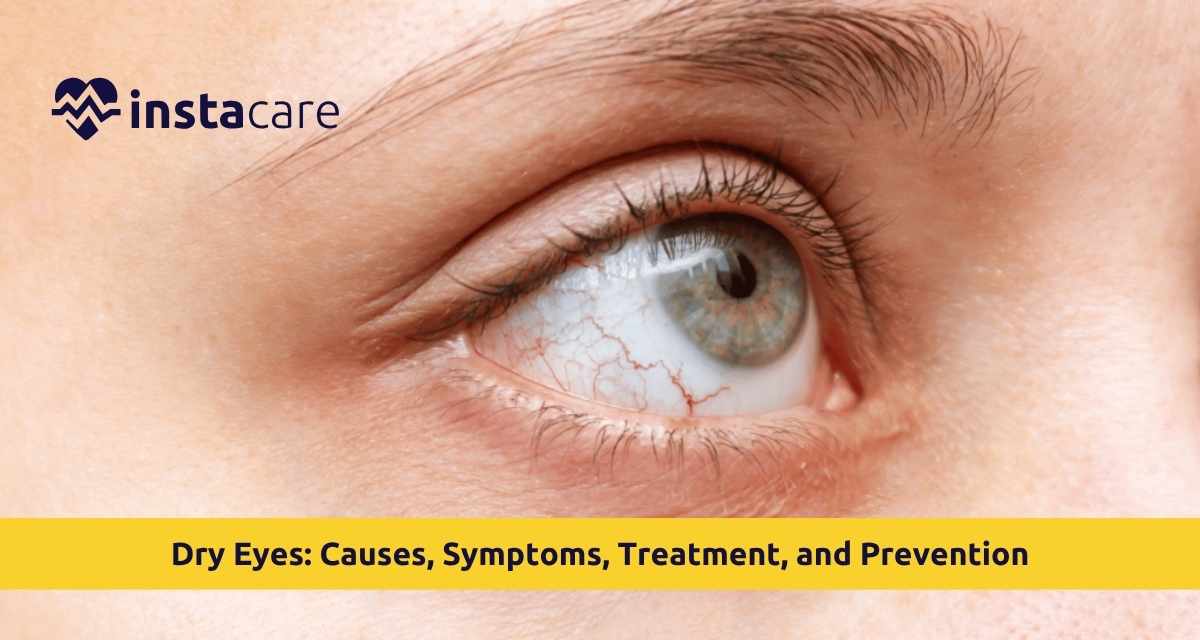
What are Dry Eyes?
Dry eyes are actually much more involved than the absence of tears. The three healthy layers of tears are oil, water, and mucus. Each of these layers is important for the protection of the eye from infection and for clear vision. If any of these layers are incomplete or are even too thin, the eyes can become dry. Healthdirect says problems can affect any of these layers of the tear film, and can cause dry eyes.
Common Symptoms of Dry Eyes
Dry eye symptoms can even be mild initially, but can be highly irritating. Some, but not all, of the common symptoms are:
- A scratchy or stinging eye
- Red or inflamed eye
- Not distinct or blurry vision
- Increased sensitivity to light
- Watery eye
- Fatigue
- Difficulty using contacts
- Difficulty using screens
Dry eyes can even leak tears. This may seem illogical, but is the eyes’ response to irritation. Some of the common symptoms, according to the Mayo Clinic, are redness, a blurry eye, and a gritty eye.
What Causes Dry Eyes?
Many things can cause dry eyes. One common cause is tear production reduction, which may happen with the aging process, some medications, and some medical conditions. Fast tear evaporation may also contribute to dry eyes and is often caused by blocked oil glands in the eyelids.
Using a digital screen can also contribute to dry eyes. Digital screen usage results in less frequent eye blinks, making it difficult for the eye surface to be properly coated with tear fluid. Environmental factors such as dry air, wind, smoke, and pollution can worsen dry eye symptoms as well.
Using contact lenses can also contribute to dry eyes. Other factors can include:
- Use of contact lenses
- Eye surgeries like LASIK
- Problems with eyelids
- Allergies
- Autoimmune disorders
- Diabetes
- Some medications, such as those for blood pressure, antihistamines, and antidepressants
The National Eye Institute has stated that dry eyes may be diagnosed through an eye exam with a quantity and quality assessment of tear fluid.
Book Thyroid Function Test from PHC Diagnostics – Get 25% Off
Who Is at Risk?
While anyone can develop dry eyes, there are factors that can increase the likelihood of dry eyes. These factors include advancing age, especially over 50 years of age, and gender, as females have a greater likelihood of developing dry eyes. Frequent digital screen users and individuals who live in dry climates also have a higher risk. Contact lens users and individuals with autoimmune conditions also have a greater likelihood of developing dry eyes.
Treatment Options for Dry Eyes
Treatment is determined by what is causing the issue and how bad it is. Artificial tears are the most common first step for persons with mild dry eyes. These lubricating eye drops help replenish the moisture and lessen the irritation. For those that use drops over 4 times a day, preservatives free drops could be the better option. Preservatives could cause irritation to the eye surface. This is how the Mayo Clinic suggests treating a chronic dry eye.
Treatment can also include:
- Warm compresses used to unblock the oil glands
- Cleaning the eyelids
- Prescription anti-inflammatory eye drops
- Medication to stimulate tear production
- Placement of punctal plugs to preserve tears on the eye
- Treating inflammation of the eyelids
- Treating allergies and other health issues
Advanced treatment will be required in worse cases. The Mayo Clinic mentions dry eye therapy and treatment of the oil glands, warm compresses, and light therapy as possible treatment options being used for some patients.
Home Care and Prevention
There are several simple things that can be done to help lessen the symptoms of dry eyes.
- Follow the 20-20-20 rule and look away from the computer every 20 minutes at something 20 feet away for 20 seconds.
- Blink more often.
- Use a humidifier in dry rooms
- Avoid fans and air conditioning that blow toward you.
- Wear sunglasses when outside.
- Stay hydrated.
- Clean eye makeup.
- Take breaks from contact lenses.
- Avoid smoking and smoky places.
Keeping a clean eyelid can help treat the inflammation and even improve the quality of your tears.
When Should You See a Doctor?
Visit the eye doctor if dry eye symptoms persist for more than a few days, affect your vision, cause pain, or make it hard to work, read, drive or if you have difficulty wearing contact lenses. You should also see an eye doctor if your eyes are very red, if you are very sensitive to light, or if your eyes are producing discharge. Dry eye is typically not a problem, but when it is not treated, it can cause damage to the surface of the eye and affect your quality of life.
Conclusion
While experiencing symptoms of dry eyes can be irritating, treatment should never be thought of as optional. Dry eyes can make everything from working to sleeping uncomfortable, and symptoms can make it hard to focus on daily tasks. Fortunately, symptoms of dry eyes can be managed through a few simple methods. Artificial tears, more frequent screen breaks, more careful blinking, warm compresses, and avoiding dry, windy areas can all help. Treating dry eyes is especially important when symptoms start to worsen and become painful. Eye health is always important, especially in ensuring you're as comfortable as possible throughout the day.
Please book an appointment with the best Eye Specialist in Lahore, Karachi, Islamabad, and all major cities of Pakistan through InstaCare, or call our helpline at 03171777509 to find a verified doctor for your disease.