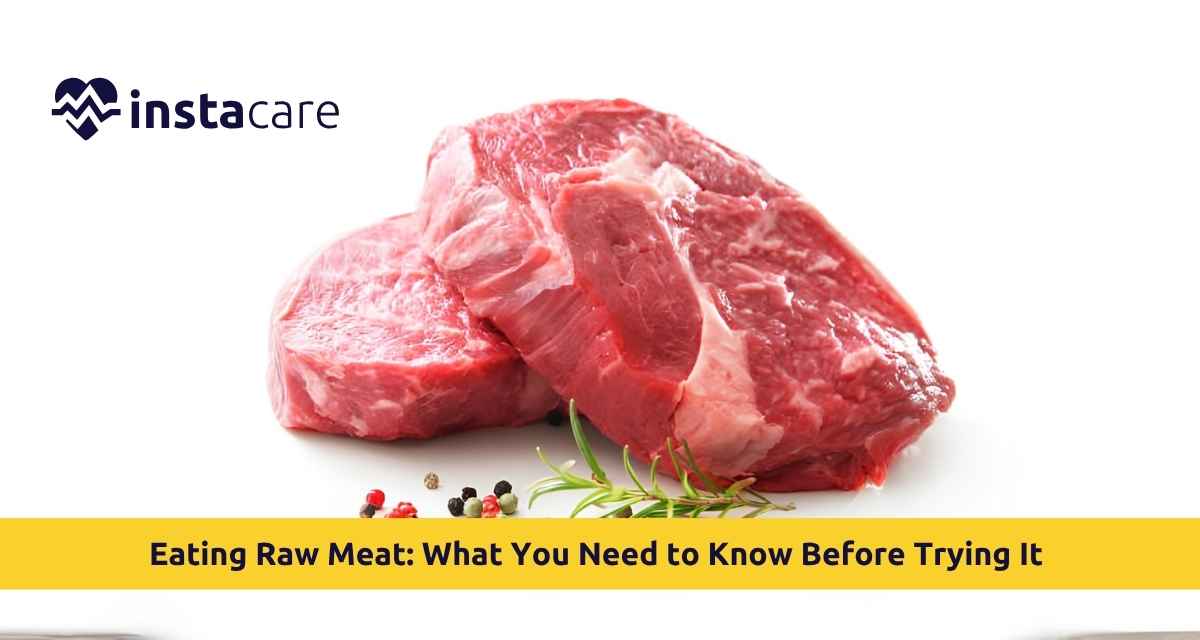
Why Eat Raw Meat?
In some cases, eating raw meat is a part of your family or cultural tradition. In other cases, it is simply a personal preference. Other people eat it for the taste and enjoy the texture of raw food, as they believe it is more natural. All of these factors can make raw meat more appealing to eat from a fine dining or traditional cuisine perspective, as it is less processed and can be more flavorful.
That said, the popularity or tradition of a cuisine does not always guarantee the safety of consuming that food. The safety of consuming raw meat is determined by the type of meat that it is, where the meat was sourced from, the storage conditions, and the preparation techniques and methods utilized.
The Main Health Risk: Harmful Germs
When dealing with raw meat, the largest concern is contamination. Harmful germs, including bacteria, parasites, and viruses can all be present in undercooked or raw meat. The CDC identifies raw or undercooked poultry, meat, seafood, and eggs as riskier foods because they are more likely to be contaminated with harmful germs.
Raw and undercooked meat can contain these bacteria:
- Salmonella
- E. coli
- Campylobacter
- Listeria
Food poisoning is caused by these bacteria and can cause stomach pains, diarrhea, and vomiting along with fever, dehydration, and weakness. Hospitalization may be necessary in severe cases.
Why Should You Always Cook Your Meat?
Meat is safer when cooked. Heat kills bacteria and meat should be cooked to a certain internal temperature to be safe. The USDA states that steaks and chops should be 145°F after resting for 3 minutes while ground meat should be 160°F and poultry should be 165°F. This is what makes raw meat dangerous. When meat is consumed raw that safety step is completely skipped.
Raw Beef vs Raw Chicken
Poultry is the most dangerous meat as it is the most likely to contain Salmonella and Campylobacter. This is why raw chicken and turkey should be avoided. Raw Turkey is also dangerous but raw beef contains less bacteria and can be eaten in steak tartare. Ground meat such as hamburger is the most dangerous because meat that is surface contaminated is ground and mixed together, spreading the bacteria and contaminating the meat.
Raw Meat Can Appear Fresh and Still Be Unsafe
A common dangerous misconception is that spoiled meat will always look or smell bad. Although this is true for some meat, it is not true for all meat. Meat can still contain bacteria and look or smell like it is fine. For that reason, meat safety should not be determined by the look, smell, or even by the taste. The best ways to ensure meat safety is by proper storage, sanitation, and cooking the meat to the right temperature.
Who Should Avoid Raw Meat at All Costs?
Some people are at a higher risk of getting very sick from food poisoning. According to the CDC, higher risk people are adults that are 65 and older, kids that are 5 and under, women that are pregnant, and people that have a weak immune system.
All of these groups of people should avoid raw and undercooked meat because of the higher risk and potential of those illnesses to be much more severe. For example, an infection that causes a mild illness to a healthy adult can become a much more severe illness to a person that is pregnant, a young child, an older adult or an adult that is immune compromised.
Does Freezing, Lemon Juice, or Vinegar Make Raw Meat Safe?
A lot of people think that germs in raw meat can be eliminated by the combination of freezing, lemon juice, vinegar, and salt and spiced marinades. This is very unsafe to believe. While these methods can potentially affect the taste and surface conditions of the meat, and even the texture, they should never be relied on in place of actually cooking the meat. The meat is not safe to eat after it has been frozen and even some parasitic worms that are occasionally found in food can be eliminated by freezing them, bacteria will still pose a risk.
Schedule a CBC Blood Test with Excel Labs Today – Enjoy 20% Discount
How Cross-Contamination Occurs?
Even without the ingestion of raw meat, one can become ill from it via cross-contamination. Pathogens from raw meat can contaminate other foods, surfaces, or utensils.
Common causes are:
- Using the same cutting board for raw meat, and then for vegetables
- Touching cooked food after touching raw meat
- Letting raw meat drip onto other foods
- Using the same knife for raw meat and ready-to-eat food
- Not washing hands after touching raw meat
The CDC food-safety guidelines stress the importance of clean, separate, cooked, and chilled foods to help eliminate the potential for food poisoning.
Raw Meat Safety Practices
The best practice is to avoid consuming raw meat. However, if you are handling raw meat, the following practices should be observed:
- Purchase from a reliable vendor.
- Keep the meat refrigerated.
- Keep raw meat apart from ready-to-eat foods.
- Use different cutting boards and knives.
- Wash hands before and after meat is handled.
- Practice proper kitchen hygiene.
- Do not leave raw meat out for too long.
- Avoid serving raw meat to those more susceptible to illness.
Even with the above practices, the potential to cause foodborne illness still exists.
Cultural Culinary Traditions and Professional Preparation
Some traditional or raw meat dishes prepared in restaurants focus on the highest levels of freshness and safe sourcing. Professional kitchens may focus on high-quality suppliers and safe storage, and employ properly trained staff with careful preparation. Even so, “professionally prepared” does not mean risk-free. Contamination is possible while handling during slaughter, processing, transport, storage, or preparation. Eating raw meat entails understanding the risk.
Final Thoughts
It is understandable that some want to try raw meat because it feels exciting, traditional, or luxurious, but do not want to take the risk. The biggest risk is from the toxic germs which target the meat no matter how fresh it may seem. The only way to eliminate this risk of disease is to ensure the meat is cooked to the proper internal temperature. For many, especially young children, pregnant women, older adults, and those with compromised immune systems, cooked meat is the best and safest choice. Food can be fun and play an important role in celebrations as well as in different cultures, but nothing is more important than your health and safety.
Please book an appointment with the best General Physician in Lahore, Karachi, Islamabad, and all major cities of Pakistan through InstaCare, or call our helpline at 03171777509 to find a verified doctor for your disease.