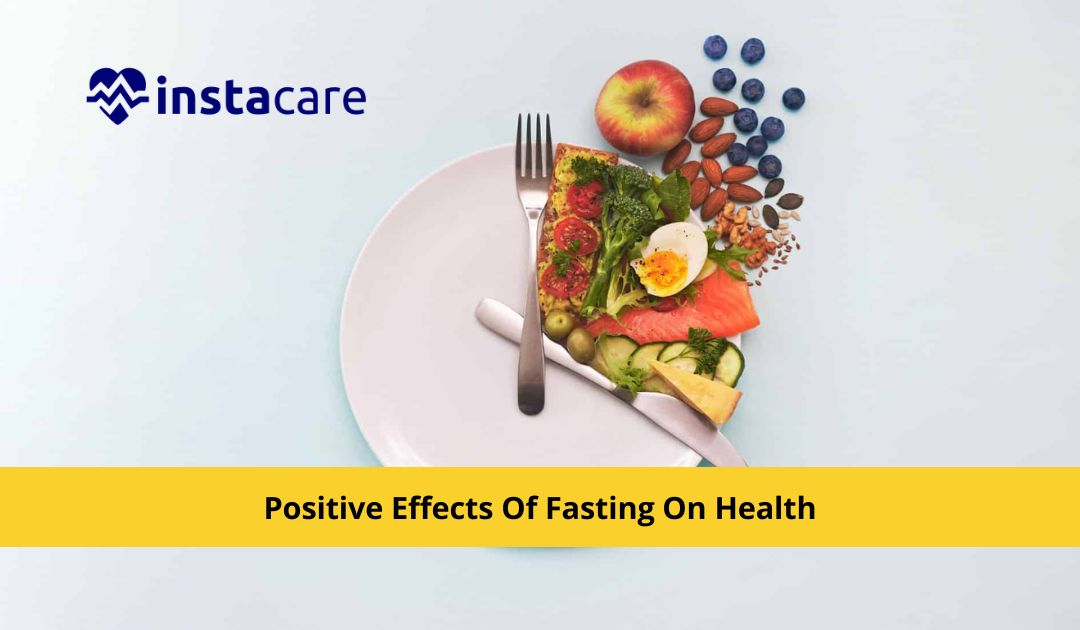
Fasting is a way of taking breaks from eating, and it's been getting attention for its potential health benefits. Imagine it like a pause button for meals, where you give your body some time without food. People do it for different reasons; some studies suggest it might benefit our health.
In this easy-to-understand guide, we'll look at some
potential health benefits of fasting. It's important to remember that
everyone's body is different and unique, so before fasting, it's a good idea to
talk to a doctor or a healthcare professional to ensure it's right for you.
Let's explore the basics of how fasting might positively impact our well-being.
Various Positive Effects Of Fasting On Health To Know
Detoxification
When fasting, the body attempts to eliminate everything that
uses energy but offers no nutritional value. As a result, the body expels the
toxins stored there. Studies indicate that following a fast, our levels of
endorphins—the hormones that make us feel good and joyful—are elevated.
Makes You Feel Younger
Studies have indicated that fasting reduces the rate of
animal aging. Although there is still much to learn about humans, many people
think fasting lowers free radicals levels, which are mostly to blame for aging.
There is also a theory that fasting lengthens life.
Reduces Cholesterol
It is well-recognized that fasting lowers triglycerides, the
root cause of heart disease. It is triglycerides that cause poor cholesterol.
Remarkably, fasting has no adverse effects on the body's healthy cholesterol.
Find out more about lowering cholesterol.
Loss Of Weight
Weight loss is positively aided by fasting. In addition to
the noticeable weight loss, users report decreased body fat, waist
circumference, and inflammation without causing damage to their muscles. It has
been demonstrated that even intermittent fasting has these consequences.
A Greater Sensitivity To Insulin
You may be able to lower your risk of diabetes by fasting.
Studies have demonstrated that cutting out all other food on one day of the
week and fasting can indeed reduce the risk of developing diabetes.
Furthermore, fasting lowers blood pressure and cholesterol levels.
Increases Immunity
An extended fast can completely rebuild your immune system.
The body recycles immune cells to preserve energy when it is starved of
nourishment for an extended length of time, giving you a fresh defense against
illnesses.
Boosts The Receptivity To Leptin
The secretion of several hormones is attributed to the adipose
tissue. Leptin is one such hormone that controls your mood after eating.
Because fasting encourages weight reduction, it increases the body's
sensitivity to hunger signals and fullness. Because of this, enhanced leptin
responsiveness makes you feel less hungry, slimmer, and fuller sooner after a
meal.
Encourages Heart Health
Blood pressure returns to normal, blood volume is regulated,
and lousy cholesterol is decreased after a fast. Studies conducted on animals
have demonstrated the ability to increase the heart muscle's efficiency and
quicken the heart's blood vessel growth.
Fasting has a lot of advantages, but it should be used
carefully. Fasting is not advised for those who have diabetes, high blood
pressure or are expecting or nursing a baby.
Enhances Cognitive Process
It is well established that fasting increases the synthesis
of a brain-derived neurotrophic factor (BDNF) protein, which enhances brain
function.
BDNF stimulates brain stem cells to produce new neurons,
which triggers a host of other substances that improve neural health. This
protein shields your brain tissue and prevents Parkinson's and Alzheimer's
diseases.
Offers Clear Skin And Aids In The Prevention Of Acne
Because the body can focus its healing energies on other
systems when digestion is momentarily stopped, fasting can help clean the skin.
It has been demonstrated that going without meals for just one day enhances the
body's capacity to eliminate toxins and maintain the health of other organs,
such as the kidneys and liver.
Avail Balanced Nutrition During Fasting
Watching what you consume during a fast is essential to
ensure your body gets the nutrition it needs. Here are a few easy suggestions
for a well-rounded diet during fasting:
Keep Yourself Hydrated
Be careful to consume adequate water. You can also sip herbal
teas or broths to flavor and stay hydrated.
Eat Nutrient-Rich Foods
Focus on colorful fruits, veggies, and leafy greens to
acquire critical vitamins and minerals. There is a nutritional boost from these
foods.
Select Lean Proteins:
During your fast, you can eat lean proteins, such as fish,
poultry, tofu, or lentils. Proteins keep your muscles strong and your stomach
filled.
Choose Whole Grains
Choose whole grains like oats, brown rice, and quinoa. These
provide you with sustained energy and satisfy you.
Add Good Fats
Include foods high in nuts, seeds, avocados, and olive oil,
among other sources of healthy fats. These fats maintain your feeling of fullness
and help absorb nutrients.
Watch Portion Sizes
When breaking your fast, pay attention to how much you
consume. Reintroduce regular meals in moderation, with appropriate servings.
The Benefits of Fiber
Include foods high in fiber, such as whole fruits,
vegetables, and legumes. Fiber aids in digestion and keeps blood sugar levels
consistent.
Reduce Sugar and Processed Foods
Cut back on processed carbohydrates, sugary drinks, and
snacks. These could counteract the advantages of fasting by causing energy
surges and crashes.
Adapt to Your Fasting Plan
Modify your diet to suit the particular fasting regimen
you're using. While some techniques advise only drinking water during the fast,
others permit specific foods.
Think About Expert Advice
Speak with a dietician or other nutrition specialist if you
have any questions. They can indeed provide personalized advice based on your
medical requirements.
Remember that meeting your dietary needs while fasting
entails making informed decisions that promote your general health. Make it
easy, and choose what you put into your body!
Conclusion
Fasting might have potential medical advantages, including weight reduction, further developed glucose control, heart well-being, cerebrum capability, and malignant growth counteraction. While fasting, stay hydrated, supplement thick food varieties, and get a great deal of rest. Conforming with an expert before fasting is ideal if you have any essential clinical issues or plan to travel for more than 24 hours.