What is Ejection Fraction?
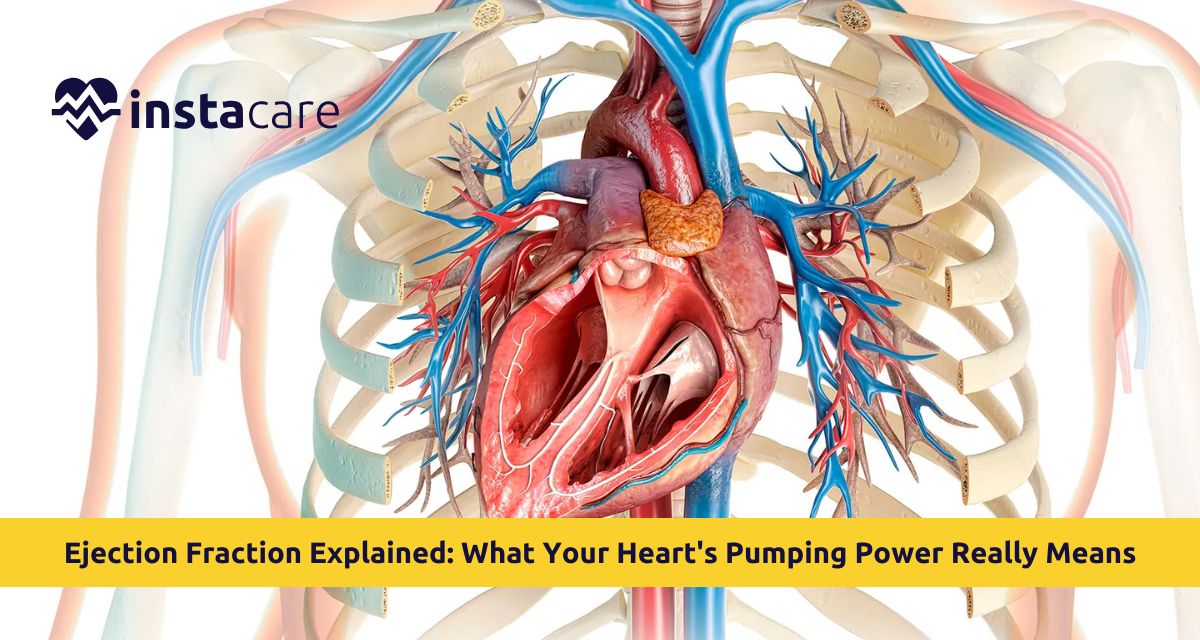
Ejection fraction (EF) is the percentage of blood that your left ventricle pumps out with each contraction. Imagine your left ventricle as a balloon inflating with blood and then constricting to expel that blood out into the rest of your body. The ejection fraction is the proportion of blood that gets expelled compared to how much was in the room initially.
A normal ejection fraction would be 50% to 70%, and half and two-thirds of the blood in the left ventricle is ejected by your heart with each beat. Ejection fraction is a very crucial sign of the overall strength and effectiveness of your heart to pump.
Types of Ejection Fraction
Doctors classify ejection fraction into types based on the volume of blood ejected per squeeze of the heart.
- Low ejection fraction or Reduced Ejection Fraction (HFrEF) is when ejection fraction is less than 40%. This or systolic heart failure indicates weakening of the heart muscle and its inability to contract hard enough to pump sufficient blood.
- HFpEF or Preserved Ejection Fraction is a condition in which the ejection fraction remains preserved at 50% or higher, yet the patients with this condition remain symptomatic for ejection fraction heart failure. In this condition, the muscle of the heart contracts normally but becomes stiffened and fails to relax between the beats.
- Moderately Reduced Ejection Fraction (HFmrEF) is the middle category where ejection fraction is 40% to 49%. High ejection fraction above 70% can also indicate certain heart conditions that require medical attention.
How Ejection Fraction is Measured?
The most common ejection fraction test that is done to measure ejection fraction is an echocardiogram. How to measure ejection fraction through an echocardiogram involves a non-invasive sound wave test that provides accurate real-time images of your heart. For an ejection fraction echocardiogram, a technician would put a small device on your chest, which produces sound waves into your body and constructs pictures of your heart chambers and pumping capacity.
Other diagnostic tests are cardiac catheterization, where a tiny tube is inserted within the blood vessels that enter the heart, and nuclear tests like MUGA scans that utilize radioactive substance to trace the circulation of blood. Cardiac MRI and CT can also provide an accurate ejection fraction.
Symptoms Linked with Abnormal EF
Ejection fraction symptoms develop over time and often are very subtle at first. The most common symptoms of ejection fraction are shortness of breath, which at first may develop with exertion but eventually becomes an issue even at rest. A few patients also become short of breath on climbing stairs or with normal activities.
Weakened and tired are typical symptoms because the compromised pumping ability of the heart provides less oxygenated blood to your muscles and organs. Swelling of your ankles, legs, and feet takes place when the heart is not very efficient at pumping blood and fluid accumulates in body tissues.
Reduced ejection fraction complications include decreased tolerance to exercise when exercise that is already well tolerated starts to become increasingly strenuous. Other symptoms are abnormal heart rhythm, recurring cough, difficulty lying down and sleeping, and loss of appetite.
Causes of Low Ejection Fraction
Identifying the causes of low ejection fraction is key to successful treatment. The most important reason is coronary artery disease, where blood-supplying arteries to the heart muscle are blocked or narrowed. It reduces blood supply to the heart muscle, reducing the ability of the heart muscle to contract hard.
- Heart attacks cause long-term scarring of chunks of heart muscle, and then chunks of non-contracting scar tissue. Hypertension causes the heart to work harder in the long term, ultimately leading to strengthening and stiffening of the heart muscle.
- Cardiomyopathy is a set of conditions directly influencing the heart muscle, i.e., ischemic cardiomyopathy and dilated cardiomyopathy. Heart valvular disease may render the heart nonfunctional, ultimately leading to weakness of the muscle and reduced ejection fraction.
- Diabetes mellitus increases the risk of coronary heart disease and can directly damage heart muscle function. Some drugs, chronic alcoholism, viral illness with cardiac manifestation, and heredity are some other causes.
Can Ejection Fraction Improve?
The better news is that improving ejection fraction can be achieved with proper treatment and life modification. Improvement of ejection fraction requires an interdisciplinary approach to the underlying disease as well as optimization of heart function.
Treatment for low ejection fraction is all about the drugs that are the force behind. ACE inhibitors or ARBs cause vasodilatation and reduce the work of the heart. Beta-blockers lower blood pressure and rate, hence allowing the heart to function more effectively. Diuretics help in the removal of fluid, while new drugs like SGLT2 inhibitors possess the magical effect of increase in ejection fraction.
Lifestyle changes are also required to improve ejection fraction. Proper, consistent exercise with a doctor's advice will strengthen the heart muscle. Low-sodium heart-healthy diet with plenty of vegetables and fruits will keep the heart healthy. Keeping normal weight will reduce the workload on the heart, and quitting smoking will eliminate a major risk factor.
Some patients will need treatment at a greater level. Cardiac resynchronization therapy is the application of a specialized pacemaker which coordinates the heartbeats. Severe cases can include coronary bypass surgery, valve repair, or heart transplant. Treatment of concomitant diseases such as diabetes and hypertension will have to be improved. Most patients are returned to ejection fraction in 3-6 months of adequate treatment, even though variable response will occur.
Conclusion
Ejection fraction gives you a good peek at the health and pumping capacity of your heart. Understanding what your ejection fraction is, learning whether results are abnormal, and understanding you can take action gives you empowerment to become an active participant in your heart health. If you're experiencing difficulties with low ejection fraction or don't want to have cardiovascular complications, working in collaboration with your medical team can make a big difference in your way of life and health. Most patients with low ejection fraction can lead active, normal lives with treatment and drug innovation, and they can control their disease.
Please book an appointment with the Best Cardiologist in Lahore, Karachi, Islamabad, and all major cities of Pakistan through InstaCare, or call our helpline at 03171777509 to find the verified doctor for your disease.