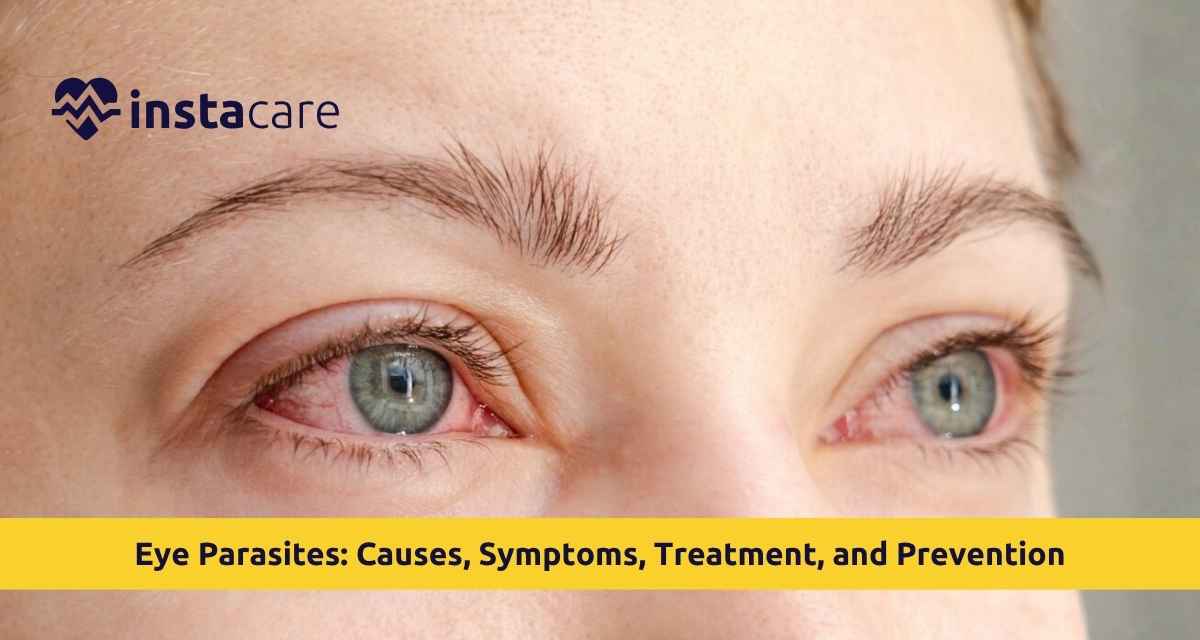
What Are Eye Parasites?
Eye parasites are organisms or creatures like worms, protozoa or larvae that infect sections of the eye. They can involve the surface (such as the conjunctiva) or the internal organs such as the retina. Other times the parasites can be introduced to the body via food, water or insect bites and then spread to the eye via the blood. Such infections are different in their severity; some might cause insignificant irritation and others might lead to irreversible harm to sight.
Common Types of Eye Parasites
There are some types of eye parasites known to infect the human eye. Both are caused by different factors and effects on health.
Some typical eye parasites are:
- Acanthamoeba: It has been frequently associated with contact lens abuse and polluted water.
- Toxoplasma gondii: infects the eye by means of contaminated food or by means of cats.
- Loa loa (eye worm): This is passed through insect bites, and can appear in the eye.
- Onchocerca volvulus: Causes river blindness and is transmitted by blackfly bites.
- Ocular larva migrans: Due to the entrance of larvae of roundworm in the eye.
Such parasites in the eye vary in manner of transmission and the kind of injury they cause.
How Do Eye Parasites Spread?
Depending on the organism, eye parasites can get inside the body in a variety of different ways. Hypogiene and exposure to the environment are significant risk factors.
Ways of transmission are common such as:
- Exposure to water pollution (e.g. swimming or washing face)
- Poor contact lens hygiene.
- Mosquito and flies bites (insects).
- Consuming improperly cooked or infected food.
- Interaction with animals or soil that is contaminated.
Knowing these routes can assist in minimizing infection risk.
Symptoms of Eye Parasites
The symptoms also vary according to the parasite involved and the location of the area of the eye. Certain symptoms emerge slowly whereas others emerge suddenly. Redness, irritation, and discomfort in the eye are common symptoms. Blurred vision, light sensitivity, and excessive tearing is also experienced by many people. Patients can also observe a problem of floaters or odd spots in their vision in a few instances.
More severe include:
- Severe eye pain
- Eye swelling.
- Eye Movement or Worms visible in the eye.
- Half or full blindness.
These symptoms are not to be disregarded, and they could suggest a severe infection.
Diagnosis of Eye Parasites
Eye parasites can also be diagnosed only with a thorough examination of the eye specialist. To avoid complications, it is essential to diagnose the issue early on. Physicians will make a physical examination of the eyes with special instruments to identify abnormalities. Other tests like blood tests or imaging can be done to ensure the occurrence of parasites. There are instances where samples of the eye can be taken to ascertain correct diagnosis.
Treatment Options of Eye Parasites
The kind and severity of the infection determine eye parasite treatment. Timely intervention greatly enhances recovery. In majority of the cases, drugs killing or suppressing the parasite are used. These can encompass anti-parasitic medications, and anti-inflammatory medications to help in the reduction of swelling and discomfort. Surgical removal might be needed in some instances, particularly when the parasite is evident or destructing.
Treatment may involve:
- Antiparasitic medications
- Fungal or antibiotic eye drops.
- Anti-inflammatory drugs
- Operation (where necessary)
Strict compliance with medical advice is a key to successful recovery.
Complications of Untreated Eye Parasites
Eye parasite infections are potentially deadly health risks in case of no treatment. In severe cases, eye damage can be permanent. The possible complications may be retinal damage, long-term vision issues, and chronic inflammation. Severe cases might result in blindness. It also has a high possibility of infecting other body parts thereby posing health risks.
Prevention Tips of of Eye Parasites
The prevention of eye parasites is highly grounded on good hygiene and exposure to risk factors. Uncomplicated routines can play a vital role in eliminating chances of infection. It is important to wash hands frequently, particularly prior to touching eyes. Contact lenses should also be taken care of properly because when not maintained well they may cause infections.
Prevention hints are:
- Wash hands frequently
- Wear clean contact lenses
- Do not swim with contact lenses
- Wear insect repellant when exposing to high-risk areas
- Cook food thoroughly
- Do not touch dirty soil or the litter of animals
These precautions can be taken to safeguard the health of the eye.
Book Eye Examination Test at Dr. Essa Lab – Get 20% OFF Now
When to See a Doctor?
The symptoms that make you visit a doctor with regard to persistent eye symptoms are severe ones. Treatment is possible at an early stage and will help save the vision. If you do not see improvement in the redness, pain, or vision, consult with the doctor. You should seek immediate medical assistance, when you notice that the eye moves abnormally or when you experience sudden loss in vision. Particularly cautious ought to be people who have visited high-risk locations recently.
Conclusion
Eye parasites are rare but could be severe infections and should be dealt with immediately. Early understanding and treatment of symptoms can help avoid prolonged complications. Through the adoption of appropriate hygiene and preventive actions, people can greatly minimize the chances of having infections in their eyes due to parasites and still enjoy a healthy sight.
Please book an appointment with the best Eye Specialist in Lahore, Karachi, Islamabad, and all major cities of Pakistan through InstaCare, or call our helpline at 03171777509 to find a verified doctor for your disease.