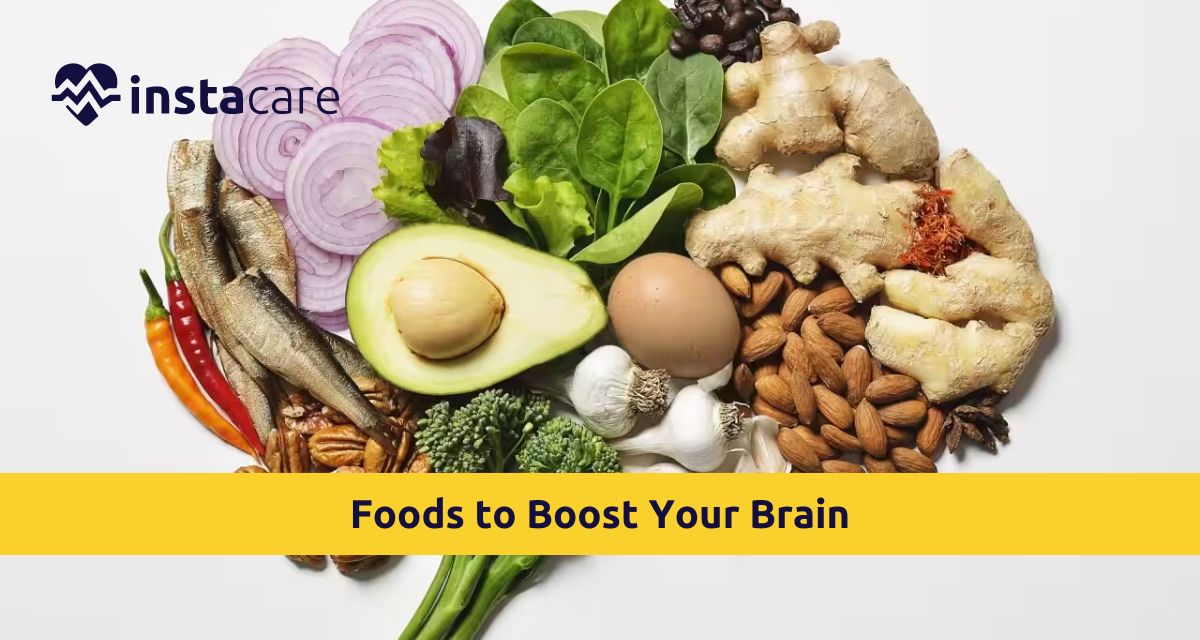
Your brain runs on the fuel that you put into it. Consider
this: your brain controls your entire neurological system and transmits
messages and instructions from one area of your body to another while you
sleep. It operates around the clock. Foods high in vitamins, minerals, and
antioxidants that support brain function also shield the brain from aging and
oxidative damage.
Here Are 10 Best Foods to Boost Your Brain and Memory
We've put together a list of the top foods that enhance
memory to help you optimize your brain's performance and develop the ideal
mental diet.
1- Fatty Fish
Fish high in fat, such as mackerel, herring, and salmon, are
an excellent source of brain nourishment. They're a great source of omega-3 fatty acids, which are essential for brain function and include docosahexaenoic
acid (DHA) and eicosapentaenoic acid (EPA). Increased blood flow, memory,
cognitive health, and brain learning have all been associated with these fatty
acids.
2- Green Vegetables
Vegetables that are leafy green, such as kale, collards, and spinach, are rich in nutrients that are good for the brain. They are abundant in vitamin K, lutein, nitrate, and folate, all of which have been shown to mitigate the effects of aging-related cognitive impairment. Adults should eat 2.5 cups of veggies each day, according to the most recent Dietary Guidelines, however, most people don't follow this advice.
You may meet your dietary demands and promote brain health by eating more leafy green veggies. Although leafy greens are great in salads, there are lots of other ways to include this kind of vegetable in a well-balanced diet. For instance, you may use fresh greens in grain bowls, pasta dishes, and smoothies, to mention a few.
3- Eggs
Eggs are quite adaptable and can enhance the taste and
nutritional value of many traditional recipes. They are brimming with
nutrient-dense substances that have a host of positive effects on health,
including mental health.
Choline, for instance, is found in eggs and promotes brain function at all ages. As a precursor to acetylcholine, a crucial neurotransmitter for cognitive function, choline is vital to brain development.
Because they contain all nine essential amino acids, which the body is unable
to manufacture on its own, eggs are also a great source of protein. Apart from
its numerous functions in the body, studies have indicated that consuming
enough protein can help avert cognitive deterioration over time.
4- Nuts
The brain's long-term health may be enhanced by including nuts in a balanced diet. Consuming nuts over an extended period has been found to lower the risk of cognitive decline in older adults. Nuts are a great source of antioxidants and healthy fats that support optimal brain function. This is probably because of their makeup; they include a lot of nutrients, such as antioxidants, magnesium, copper, the mineral potassium, selenium, unsaturated fats, and vitamins E and K.
Nuts can be eaten raw or added to a variety of cuisines. A
lot of individuals add them to whole grains, salads, and sauces to improve the
nutritious value of their food. Nuts improve the flavor and texture of the food
as well as the overall experience.
View More: Various Effect Of Masturbation On Brain And Memory
5- Berries
Antioxidants found in berries like blueberries, blackberries, and strawberries are essential for preserving brain function. Their vivid color comes from the flavonoids they contain, which also help protect the brain from oxidative stress. Reduced oxidative stress reduces inflammation in the brain, which guards against age-related cognitive decline and neurodegenerative diseases. High vitamin content in berries can also help with cognitive function.
Vitamin C, a powerful antioxidant associated with enhanced cognitive
function, is abundant in blueberries. Berries' purported benefits for brain
health, with some even advising frequent ingestion. According to studies,
including berries in a diet that supports brain function may speed up the
brain's information processing. Berries
are a tasty, brain-friendly snack that may be enjoyed any time of the day. They
can be eaten raw, incorporated into your favorite baked items, added to
smoothies, or sprinkled over salads.
6- Coffee
Coffee is a popular beverage around the world that has long
been associated with several benefits for brain health. Caffeine, the main
active component, is a stimulant that improves cognitive performance. The
release of neurotransmitters that promote better mood and brain function is
increased by caffeine. Coffee has a high antioxidant content in addition to
caffeine. It is brimming with bioactive substances that help shield the body,
including the brain, from oxidative stress, including flavonoids and phenolic
compounds.
7- Green Tea
People who don't consume coffee might look for another beverage that has similar benefits to the brain. Green tea has been associated with beneficial effects on the brain, such as enhanced brain functions, cognition, and psychopathological symptoms. According to studies, those who consume green tea may have better attention spans, lower anxiety levels, and higher levels of memory activation.
L-theanine, an amino acid found in green tea, has been
connected to several health advantages, including enhanced mood, cognitive
function, and reduced symptoms of anxiety. You can have a warm cup of green tea
instead of coffee in the morning or use it in a variety of dishes. It can
improve the taste and nutritional value of desserts, meat marinades, and
breakfast items.
8- Ginger
Turmeric's polyphenol, curcumin, is widely used as a spice all over the world. It has a strong flavor and numerous health benefits. The anti-inflammatory, antioxidant, anti-microbial, and anti-aging qualities of curcumin may provide defense against a few neurological illnesses. Combined with medical care, it may also lessen symptoms of anxiety and depression.
Strong and sweet with an earthy flavor, turmeric is a spice.
Since most recipes only call for a modest amount, many people use supplements
to replicate the level seen in most studies on turmeric consumption. Based on
your medical history, a registered dietitian (RD) or nutritionist can talk with
you about how much you should eat.
9- Dark Chocolate
Numerous neuro-enhancing substances, including flavonoids,
coffee, and other antioxidants, are found in dark chocolate. Studies have
demonstrated that consuming 85% dark chocolate regularly can enhance gut
microbial diversity and mood in general, indicating that it may have a
beneficial effect on the gut-brain axis.
On its own, dark chocolate can be rather delicious. However,
you can cover up its taste by mixing it with other dishes if you don't like the
bittersweet flavor. Dark chocolate is a great addition to baked products, ice
cream desserts, and yogurt parfaits.
10- Avocados
Avocados are a nutrient-dense superfood with numerous
advantages for the brain. They have a creamy texture because of their high
content of monounsaturated fats, which also promotes healthy blood flow, which
is essential for brain function. Additionally, they are a rich source of
antioxidants with neuroprotective properties.
Avocados are also a good source of vitamin E, an antioxidant
that helps shield the brain from oxidative stress-related damage. Research has
indicated that vitamin E, whether ingested or taken as a supplement, may slow
down cognitive loss and encourage healthy brain aging.
Conclusion
The state of the brain affects one's entire body, and food
consumption can have a significant impact on memory, processing speed, and
cognition. A balanced diet high in vitamins, minerals, amino acids, and healthy
fats can optimize the brain's biological activities, but no one food will cure
mental illness. Of course, diet is not the only aspect in maximizing brain
power; other factors include exercise, sleep habits, stress reduction, and
social connections. You can make various lifestyle decisions that affect
cognitive performance; your doctor can guide you through them.
Please book an appointment with the best Nutritionist in Lahore, Karachi, Islamabad, and all major cities of Pakistan through InstaCare, or call our helpline at 03171777509 to find a verified doctor for your disease.