Introduction
Most people worry about cavities when thinking about dental problems. However, gum disease often progresses unnoticed until serious damage occurs. Gum disease (periodontal disease) is one of the leading causes of tooth loss in adults worldwide. What makes it particularly concerning is that it frequently develops without significant pain, allowing it to silently damage the supporting structures of teeth over time.
Understanding gum disease prevention is essential not only for maintaining a healthy smile but also for protecting overall health.
What Exactly Is Gum Disease?
Gum disease is a chronic infection of the tissues that support your teeth, including:
- Gums
- Periodontal ligament
- Alveolar bone
It begins with plaque buildup — a sticky film of bacteria that forms on teeth daily.
Gingivitis (Early Stage)
This stage is reversible with proper care.
Common symptoms include:
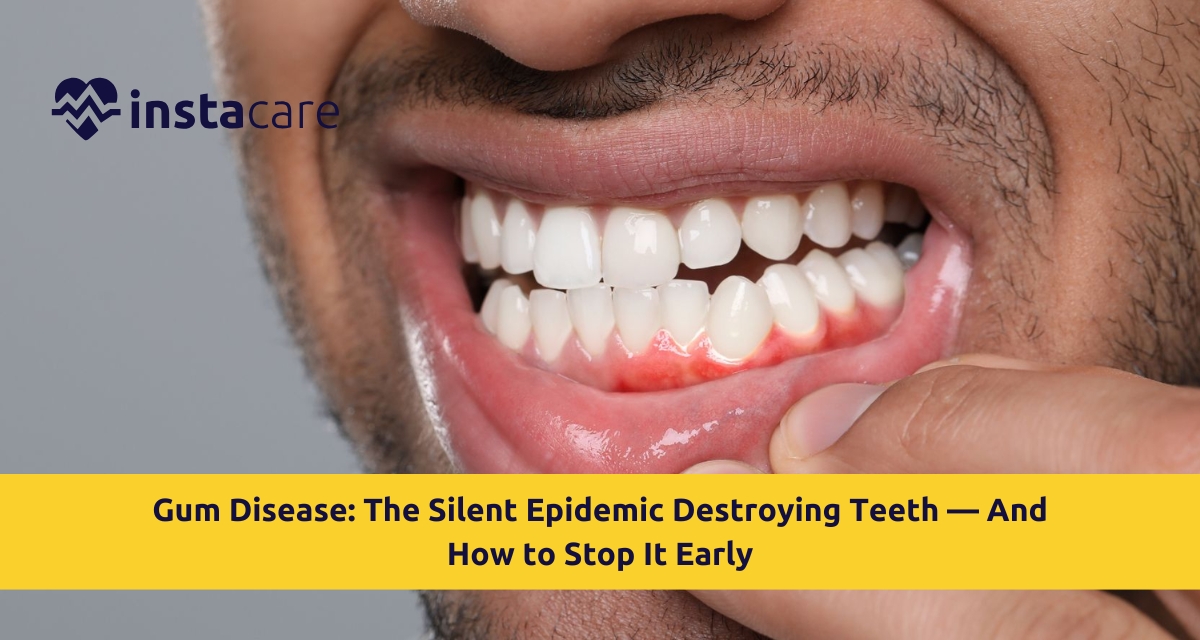
- Red, swollen gums
- Bleeding during brushing or flossing
- Persistent bad breath
- Mild tenderness
Periodontitis (Advanced Stage)
If untreated, gingivitis progresses to periodontitis, where irreversible damage occurs.
Possible consequences:
- Gum recession
- Bone loss
- Loose teeth
- Tooth migration
- Eventual tooth loss
Why Gum Disease Is More Dangerous Than You Think
Gum disease is not just a dental issue. Chronic oral inflammation is linked to several systemic conditions, including:
- Cardiovascular disease
- Diabetes complications
- Respiratory infections
- Adverse pregnancy outcomes
If you are looking for a reliable dentist in Peshawar, regular checkups at a reputable clinic can dramatically reduce the risk of advanced periodontal disease.
Who Is at Higher Risk?
While anyone can develop gum disease, certain factors significantly increase risk:
- Poor oral hygiene
- Smoking or tobacco use
- Diabetes
- Hormonal changes (pregnancy, menopause)
- Genetic predisposition
- Dry mouth
- Certain medications
- Stress
People with these risk factors should be especially proactive about gum disease prevention.
Early Warning Signs You Should Never Ignore
Because gum disease often progresses quietly, recognizing early symptoms is critical.
Seek dental evaluation if you notice:
- Bleeding while brushing or flossing
- Persistent bad breath
- Gums pulling away from teeth
- Sensitivity to cold or hot
- Changes in bite or tooth alignment
- Pus between teeth and gums
- Loose teeth
Pain is usually a late symptom, waiting for it can mean advanced damage has already occurred.
Daily Habits That Prevent Gum Disease
The good news is that gum disease is largely preventable with consistent care.
1. Brush Properly Twice Daily
Use a soft-bristled toothbrush and fluoride toothpaste.
Technique tips:
- Brush for at least two minutes
- Hold the brush at a 45-degree angle to the gumline
- Use gentle circular motions
- Avoid aggressive scrubbing
Overbrushing can damage gums and enamel.
2. Floss Every Day
Flossing removes plaque from areas your toothbrush cannot reach, especially between teeth and below the gumline.
Without flossing, up to 40% of tooth surfaces remain uncleaned.
Alternatives include:
- Interdental brushes
- Water flossers
- Floss picks
3. Use an Antimicrobial Mouthwash
Therapeutic mouthwashes reduce bacterial load and help control plaque formation.
Look for products that:
- Fight gingivitis
- Reduce plaque
- Freshen breat
- Are alcohol-free if you have dry mouth
Mouthwash is a supplement, not a replacement for brushing and flossing.
4. Maintain a Tooth-Friendly Diet
Nutrition plays a major role in oral health.
Helpful foods:
- Crunchy fruits and vegetables
- Dairy products rich in calcium
- Nuts and seeds
- Green tea
- Foods high in vitamin C
Limit:
- Sugary snacks
- Sticky foods
- Carbonated drinks
- Frequent snacking
5. Quit Tobacco Use
Smoking is one of the strongest risk factors for severe periodontal disease. It reduces blood flow to the gums and impairs healing. Tobacco users may experience faster progression of gum disease, often without obvious symptoms.
The Critical Role of Professional Dental Care
Even with excellent home care, plaque can harden into tartar, which cannot be removed without professional tools.
Routine dental visits allow for:
- Professional scaling and polishing
- Early detection of gum inflammation
- Monitoring of pocket depth around teeth
- Personalized preventive advice
If you are looking for a reliable dentist in Peshawar, regular checkups at a reputable clinic can dramatically reduce the risk of advanced periodontal disease.
Advanced Treatments for Established Gum Disease
When gum disease progresses, specialized treatments may be necessary:
- Deep cleaning (scaling and root planing)
- Local antibiotic therapy
- Laser periodontal therapy
- Surgical procedures for severe cases
Modern periodontal care focuses on saving natural teeth whenever possible.
Why Many People Delay Treatment — And Why That’s Risky
Common reasons people postpone dental visits include:
- Lack of pain
- Busy schedules
- Dental anxiety
- Cost concerns
- Underestimating the seriousness
Unfortunately, delayed treatment often leads to more complex and expensive procedures later. Preventive care is simpler, safer, and more affordable.
Protecting Your Smile for Life
Gum disease is largely preventable, but once advanced damage occurs, restoration becomes challenging.
Simple actions can make a lifelong difference:
- Consistent oral hygiene
- Healthy lifestyle choices
- Regular professional checkups
- Awareness of early symptoms
- Prompt treatment when needed
Final Thoughts
Gum disease truly is a silent epidemic. It progresses gradually, often without pain, yet can ultimately lead to tooth loss and broader health complications. The encouraging reality is that gum disease prevention is highly achievable. With proper daily care and regular dental supervision, most people can avoid severe periodontal problems entirely. Your gums are the foundation of your smile — protect them, and your teeth will follow.