What is Hantavirus?
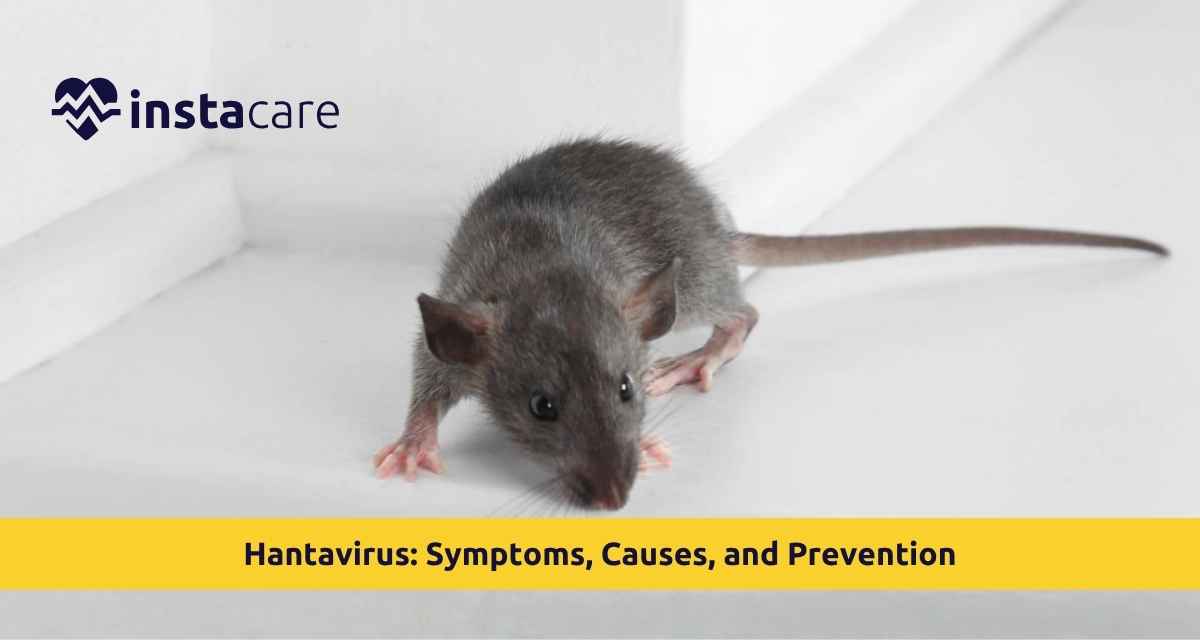
Hantavirus is a member of the Hantaviridae family of viruses. This is primarily spread through rodents, such as the deer mouse, cotton rat, and white-footed mouse. Rodents can infect the environment with the virus in their urine, feces and saliva. Humans get infected if they contact any of these contaminated substances either by breathing them or through direct contact with the rodents or their excretions.
Two main types of hantavirus
- Hantavirus Pulmonary Syndrome (HPS): This is the more serious form of the hantavirus infection and involves primarily a hantavirus infection of the lungs, which leads to fluid buildup and shortness of breath. When untreated, HPS may be deadly.
- Hemorrhagic Fever with Renal Syndrome (HFRS): This type of the disease damages the kidneys and may lead to blood loss, low blood pressure and organ failure. More frequently encountered in Europe and Asia but occasionally reported in the USA.
Both are found in different strains of the virus and are spread in the same way.
Symptoms of Hantavirus Infection
The clinical signs of hantavirus infection may depend on the kind of disease that it produces. In general, symptoms may begin to occur 1-5 weeks after exposure to infected rodents or their excretions.
Hantavirus Pulmonary Syndrome (HPS)
In the U.S. HPS is the most prevalent type of hantavirus infection. Early HPS symptoms can be similar to influenza or a cold, but the illness progresses quickly and is characterized by extreme difficulty in breathing. The clinical manifestations of HPS are characterized by all of the following:
- Fever: A sudden onset of high fever is usually the initial symptom.
- Muscle Aches: Very intense muscle pain, especially in the big muscles, such as the thighs and back.
- Fatigue: Tired or weakened feeling, often very pronounced, happens early in the disease.
- Early symptoms include dizziness and headaches.
- After several days, breathlessness and shortness of breath may develop due to ingress of fluid in the lungs which may result in a situation of acute respiratory failure.
- Cough: Dry cough as lungs get more and more in trouble.
A patient can develop stronger symptoms as the disease advances, including low blood pressure, fluid build-up in the lungs and eventually respiratory failure, which could require immediate medical attention and be lethal.
Book IgG Test at Zeenat Lab – Get 20% OFF
Hemorrhagic Fever with Renal Syndrome (HFRS)
HFRS is not typically an issue in the U.S. but is a more common problem in certain parts of Europe and Asia. Symptoms of HFRS usually first start with:
- Fever: Sudden, high fever, sometimes with chills.
- Headaches: Headaches can be severe, especially early in the development of the disorder.
- Nausea and Vomiting: Many patients will have an upset stomach, diarrhea, vomiting and abdominal pain.
- Skin Flushing and Redness: Skin could turn red or flushing especially on the face and upper body.
- Low Blood Pressure: Blood pressure that drops may result in dizziness and fainting.
- Kidney Problems: As kidney failure happens, you will have dark urine, swelling and a less volume of urine.
HFRS can have different stages of progression, depending on the severity of the infection. At times it may progress and cause failure of multiple organs, such as the kidneys, liver and cardiovascular system.
How Hantavirus Is Transmitted?
Rodent contact or contact with rodent excretions is the main route of transmission for hantavirus. The virus cannot be transmitted to humans from person to person; it is spread to humans through inhalation of particles in the air that originated from a rodent's urine, feces or saliva. Transmission is by the following mechanism:
- Direct Exposure to Rodent Urine, Feces, or Saliva – The virus can be spread by directly coming in contact with the urine, feces or saliva from rodents.
- Rodent Nests and Droppings: The virus particles may be spread by inhalation. These particles, when inhaled, have the potential to cause infection.
- Contact with contaminated food or water containing infected rodent excretions also can occur, in rare instances, by contaminated food or water.
Hantavirus infection occurs more often in the rural or wilderness environment where the rodents are more likely to be present. Hantavirus has been found mainly in rural areas in the west part of the United States, where hantavirus-carrying rodents such as the deer mouse are usually found.
Treatment for Hantavirus
Antiviral therapy is not available to treat hantavirus cases. Treatment of hantavirus is for supportive care and symptom management. In patients with Hantavirus Pulmonary Syndrome (HPS), it is critical that they receive prompt treatment, and they may need one or more of the following:
- Oxygen Therapy: To help maintain oxygen levels and relieve respiratory distress.
- Patients may have to use a ventilator to breathe if they have serious symptoms.
- IV Fluids and Electrolytes: To keep blood pressure up and prevent dehydration.
Treatment options for a person with Hemorrhagic Fever with Renal Syndrome (HFRS) are usually:
- Dialysis: If the kidneys have failed, dialysis might be needed to cleanse the blood of impurities.
- Antiviral Medications: Individual antiviral drugs have been found to be useful in the treatment of HFRS, but are not completely effective in everyone.
In patients infected with hantavirus, early diagnosis, followed by appropriate treatment, is important to the prognosis. Though improved supportive care has improved the survival rate from HPS, there are still some instances where it can prove to be fatal.
Preventing Hantavirus Infection
Prevention of infection with hantavirus is mainly directed at minimizing contact with rodent faeces and urine. These are some basic prevention measures:
- Rodent Control: Reduce homes, cabins & workplaces to rodent-free environments by sealing entry points to eliminate rats & mice from home and setting traps to capture them. If rodents are discovered, get an expert cleaning job done.
- Clean-up and Ventilation: Use gloves, mask, and protective clothing when cleaning up rodents' entertainment areas. Note: anything wet will be disinfected to reduce risk of aerosols. Avoid sweeping or vacuuming areas that may have rodent droppings.
- Food and water storage: Keep food in covered containers; do not eat foods that are likely to be infested with rodents. Protect water supplies also from contamination.
- Camping/Hiking; If outdoors, stay away from the ground and use rodent-proof containers for food.
Conclusion
Hantavirus is a serious infection which can lead to debilitating disease such as Hantavirus Pulmonary Syndrome (HPS) or Hemorrhagic Fever with Renal Syndrome (HFRS). While it is uncommon, it is of value to know about the risks, signs, and precautions of hantavirus, particularly if a person resides and/or works in areas where rodents are present. Taking precautions like avoiding close association with rats and practicing good hygiene can help to lessen the risk of infection. It is important to seek medical treatment promptly if you think you may have been exposed to hantavirus or are developing hantavirus symptoms to improve your chances of recovery.
Please book an appointment with the best Pulmonologist in Lahore, Karachi, Islamabad, and all major cities of Pakistan through InstaCare, or call our helpline at 03171777509 to find a verified doctor for your disease.