What is meant by the term "hot flashes"?
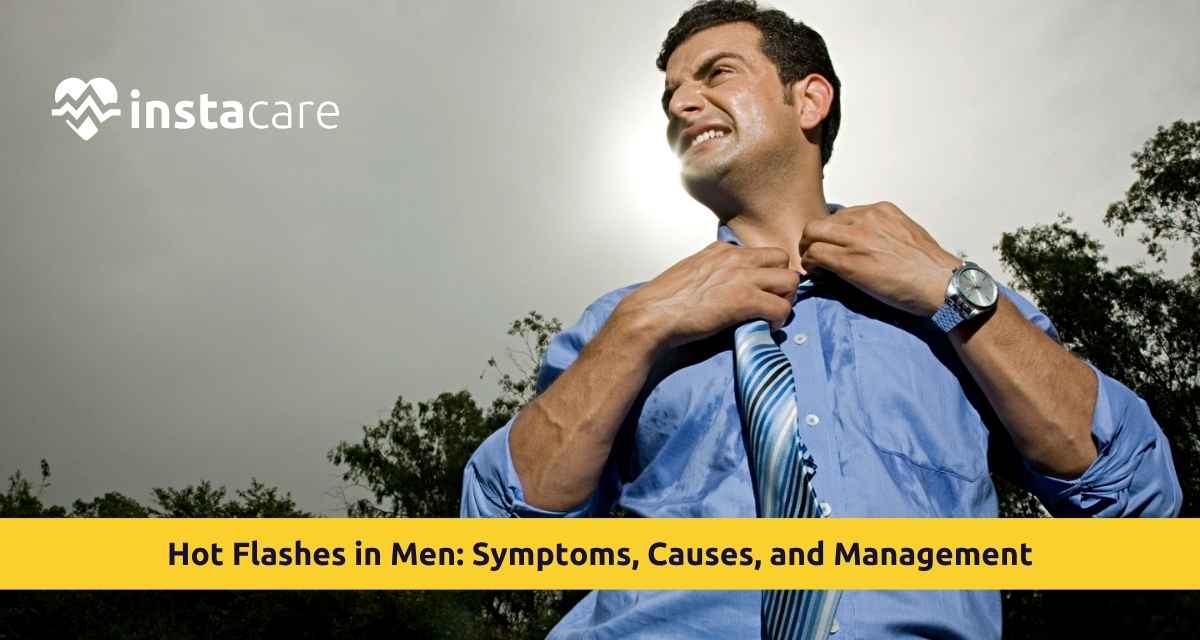
A hot flash is a sudden hot sensation that usually begins in the face, neck or chest and progresses throughout the body. This may be accompanied by sweating, redness and in some cases, chills, or a fast heartbeat. Hot flashes can last a few seconds to a few minutes, and they can happen one or many times a day.
Although hot flashes are most commonly associated with hormonal changes in women, men can have hot flashes as well, which are usually caused by changes in testosterone levels. This can happen as part of a person's natural aging or due to some illness or treatment.
Symptoms of Hot Flashes in Men
The symptoms of menopause in men are much the same as in women. These include:
- Sudden Sensation of Heat: A sudden feeling of warmth or heat, particularly in the chest, neck or face.
- Sweating: Heavy sweating that could cause discomfort and require frequent changing of clothing.
- Chills: Some men will get chills after the hot flash as the body cools down.
- Flushing: Redness, especially on the face, neck and chest.
- Racing Heart: Some men may have a racing heart or palpitations.
- Restlessness: The hot flash may cause a sense of discomfort or unease, disrupting sleep or daily activities.
Hot flushes are not as common in men as they are in women but can cause distress and disrupt their daily routine.
Causes of Hot Flashes in Men
Hormonal changes, usually due to low levels of the hormone testosterone, are the primary cause of hot flashes in men. Other factors can cause this to happen, including:
- Low Testosterone (Hypogonadism): As men get older, it is a natural part of life for their testosterone levels to drop, usually beginning around the age of 30. This drop in testosterone levels can cause symptoms such as hot flashes, loss of energy and libido.
- Testosterone Replacement Therapy (TRT): Hot flashes may be a side effect of TRT used to treat low levels of testosterone. As the body adapts to the changes in hormones, there may be changes that cause hot flashes.
- Hot flashes are common among men who are going through prostate cancer treatment, especially hormone therapy (also known as androgen deprivation therapy or ADT). These therapies reduce the amount of testosterones in the body causing the hormone imbalance which can bring about hot flushes.
- Obesity: An excess amount of weight may lead to hormonal imbalance such as elevated levels of estrogen in men. This may result in hot flashes among the symptoms.
- Chronic Illness: Some chronic illnesses – including diabetes, thyroid problems, and heart disease – may make managing body temperature more difficult, causing hot flashes.
- Medications: Certain medications, including antidepressants, can have hot flashes as a side effect.
Book FSH Test at Excel Labs – Get 20% OFF
Hot Flashes and Their Impact on Quality of Life
Hot flashes for a lot of men are a lot more than merely a brief nuisance. The heat and sweating can cause a sudden, abrupt change to daily routine, sleep and social interaction. Many men complain of feeling "embarrassed" or "self-conscious" when they get hot flashes in public. Besides, hot flashes can cause emotional and psychological stress that can manifest as anxiety, depression and irritability.
Managing Hot Flashes in Men
While hot flashes in men are typically associated with hormonal fluctuations, there are a number of ways to manage and reduce the symptoms of hot flashes. Treatment will vary based on the cause of the hot flashes and may involve lifestyle modifications, medications or medical procedures.
- Hormone Replacement Therapy (HRT): Men who have low levels of testosterone can receive HRT to bring them back to normal levels. This treatment can be used to relieve hot flushes, among other symptoms of low testosterone like tiredness and decreased libido.
- Men who take Testosterone Replacement Therapy (TRT) for low levels of testosterone might require adjustments to their hormone therapy if they get hot flashes. Your healthcare provider might want to adjust your dose or the way you take the medicine (e.g., gels, injections).
- Medications for Hot Flashes: For some, medications may be prescribed that can help decrease the number and intensity of hot flashes including antidepressants, clonidine (for high blood pressure) or gabapentin (for nerve pain).
Lifestyle Changes:
- Exercise: Regular exercise helps to balance hormones and to generally improve health, which may help to minimize hot flash symptoms.
- Diet: Consuming a balanced diet with plenty of fruits, vegetables and whole grains should help control weight and keep levels of hormones out of balance, which can trigger hot flashes.
- Stress Management: Stress and anxiety can exacerbate hot flashes. Relaxation exercises like deep breathing, yoga, or meditation can help manage stress levels and help to decrease the number of hot flashes.
- Avoid Triggers: There are some men who feel that certain triggers, like hot food, hot surroundings, or alcohol, set off hot flashes. If you can, recognize and steer clear of these triggers to help reduce symptoms.
- Cooling Products: Cooling products, like fans, ice packs and special clothing that wicks away perspiration can help control the symptoms of a hot flash. Loose and breathable fabric, and a cool environment to sleep in, can also help alleviate pain.
- Acupuncture and Herbal Remedies: Some men use alternative medicines like acupuncture or herbs to help control hot flashes. These treatments should be reviewed with the health care provider since they can have varying effectiveness and interact with other medications.
Conclusion
While not as talked about as hot flashes in females, hot flashes in males can greatly affect health and well being. It's important to know the causes, symptoms and treatment of the condition in order to manage. Men can find relief from hot flashes and live a better life if they seek treatment for their underlying causes and adopt lifestyle changes. It is important to discuss with a health care provider if you are having hot flashes often and severely so that they can determine the best treatment plan for your particular case.
Please book an appointment with the best Endocrinologist in Lahore, Karachi, Islamabad, and all major cities of Pakistan through InstaCare, or call our helpline at 03171777509 to find a verified doctor for your disease.