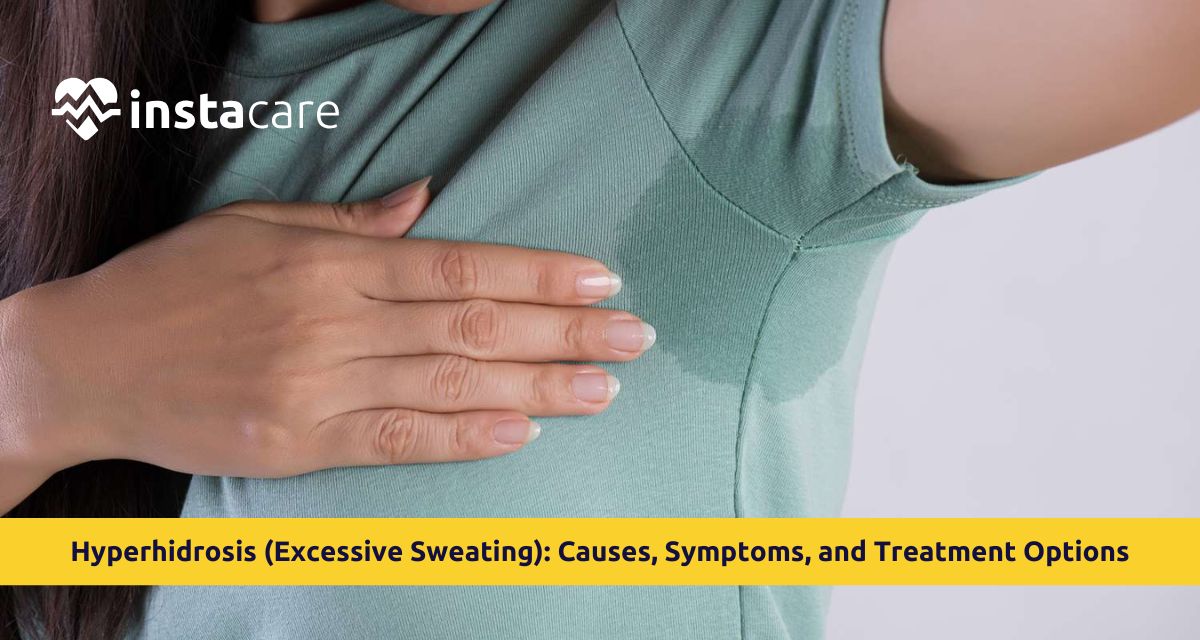
Sweating is a common and necessary activity of the human body that controls body temperature. Nevertheless, to other people, they sweat too much and uncontrollably even when in cool temperatures or even when they are not physically engaged. This disorder is referred to as hyperhidrosis and can have tremendous impacts on life, emotional state and even social life. Hyperhidrosis is a known sweating disorder that is found in millions of individuals globally. It is imperative to know its causes, symptoms, and measures to manage the condition to enhance the quality of life and alleviate suffering.
What Is Hyperhidrosis?
Hyperhidrosis is a health condition marked by excessive sweating that is in excess of what is required to cool the body. The sweating can be localized on a particular part of the body or the whole body and it tends to disrupt normal activities. In contrast to normal sweating, hyperhidrosis:
- It is anorectic and free of heat and physical activity.
- Is frequently symmetrical (is the same on both sides)
- May occur at rest or sleep.
- Persists for months or years
Physically, it may be painful and emotionally upsetting as it becomes particularly visible when sweat shows up causing shame or social shyness.
Types of Hyperhidrosis
Hyperhidrosis is of two major types, which are categorized by their cause.
Primary Hyperhidrosis
Primary hyperhidrosis typically starts during childhood or adolescence, and it lacks any underlying medical etiology. It is a case meant to be caused by overactive sweat glands brought about by the nervous system. Key features include:
- Sweating (hands, feet, underarms, face) Localized.
- Excessive sweating of family history.
- Stoppage of sweating at sleep.
Secondary Hyperhidrosis
Secondary hyperhidrosis is caused by a co-morbid disease or drug. Common causes include:
- Menopause hormonal disorders (thyroid disease)
- Diabetes
- Infections
- Neurological conditions
- Certain medications
This form tends to bring about generalized sweating throughout the body, it can go as far as to take place during sleep.
Common Areas Affected
Hyperhidrosis normally occurs in particular sections of the body where the concentration of glands is high to produce sweat. The most frequent locations of impact are:
- Hands
- Feet
- Armpits (excessive underarm sweating)
- Face and scalp
- Groin area
One of the most disrupting types is the sweaty palms condition because it may disrupt handshakes, writing and the use of electronic devices.
Signs and Symptoms of Hyperhidrosis
The symptoms differ with the severity and form of hyperhidrosis yet they frequently extend beyond the physical sweating. Common signs include:
- Sweating evident in clothes.
- Cold, clammy hands or feet
- Rashes or infections on the skin.
- Constant need to change clothes.
- Suffering and anxiety.
Constant sweating can also be a cause of low-esteem and shyness to participate in social or work situations.
Diagnosis of Hyperhidrosis
Diagnosis is clinical mainly, but is founded on medical history and physical examination. A medical practitioner will evaluate the pattern of sweating, the length of time, and the possible cause. The diagnostic methods can be:
- Symptom and family history review.
- Laboratory tests to exclude comorbidities.
- To detect locations of sweat, starch-iodine test.
- Severe case Sweat measurement test.
It is necessary to differentiate between primary and secondary hyperhidrosis in order to plan effective treatment.
Read More: What Are Dehydration? Causes, Recovery, And Preventions
Treatment Options for Hyperhidrosis
The excessive sweating treatment has several options, which arise depending on the severity and affected regions.
Non-Invasive Treatments
- antiperspirant for excessive sweating, which is usually prescription strength.
- Topical drugs to lower the activity of the sweat glands.
- Nerve blocking oral drugs.
Medical Procedures
- Botox for hyperhidrosis is a temporary inhibitor of nerves that produce sweat.
- Hands and feet Iontophoresis.
- Underarm perspiration under microwave therapy.
Surgical Options
- In severe cases, where treatment is not effective, surgical operations could be introduced to interrupt the nerve signals that cause sweating.
- The treatment plans are frequently tailored and can imply the integration of several methods.
Lifestyle Tips to Manage Excessive Sweating
Besides medical interventions, everyday habits can be used to lessen the symptoms and discomfort. The useful lifestyle measures are:
- Wearing moisture-wicking breathable fabrics.
- Eating spicy foods and caffeine should be avoided.
- Dealing with stress using relaxation methods.
- Washing to avoid skin infections.
- Wearing shoe insoles and foot powders.
Hyperhidrosis home remedies are also researched by many people, including herbal soaks or natural antiperspirants, which may or may not be effective.
When to See a Doctor for Hyperhidrosis?
Excessive sweating should be consulted with medical advice when:
Disrupts normal practices.- It happens abruptly, or it progresses with time.
- Happens during sleep
- Is associated with loss of weight, fever, or fatigue.
Timely diagnosis allows one to detect comorbidities and avoid complications in the case of untreated hyperhidrosis.
Living with Hyperhidrosis
A hyperhidrotic life may not be easy but the quality of life can be significantly enhanced with proper management of hyperhidrosis. Some of the significant roles in coping are education, treatment adherence, and emotional support. Support strategies include:
- Becoming a part of support groups or Internet-based communities.
- Free communication with the medical staff.
- Training in stress management.
- Treating emotional and social effects.
Through appropriate management, a majority of people are capable of managing the symptoms and rebuilding their trust.
Conclusion
Hyperhidrosis is not merely excessive sweating, but a health disorder that can influence a well-being of person physically, emotionally, and socially. The causes of hyperhidrosis, whether primary or secondary, have possible treatment solutions.
With clinical treatments such as Botox to reduce hyperhidrosis to lifestyle modifications, and self-management, this sweating disorder can be controlled. The timely diagnosis and individual treatment are the main conditions of the extended quality of life and long-term well-being.
Please book an appointment with the best Psychiatrist in Lahore, Karachi, Islamabad and all major cities of Pakistan through Instacare, or call our helpline 03171777509 to find a certified doctor for your illness.