What Are Lice?
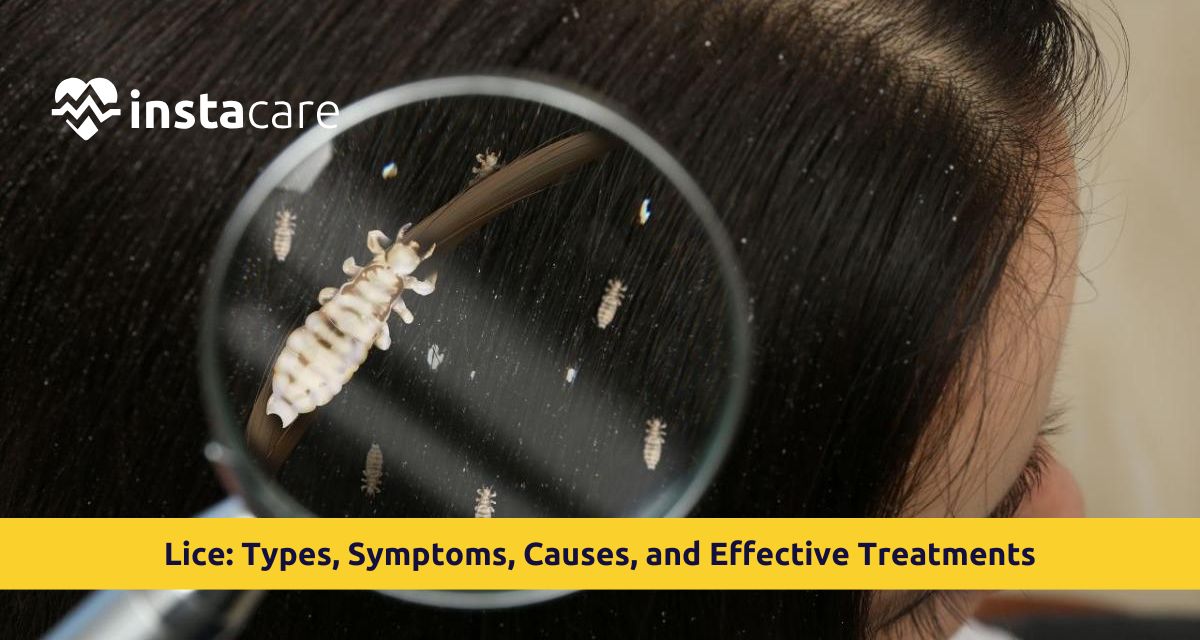
Lice are ectoparasites infesting human or fiber hair. They are not flyers nor jumpers but can move by crawling. Lice live on blood feedings and breed prolifically, laying lice eggs (nits) that adhere to fibers or hair shafts.
There are three stages of the louse life cycle:
- Eggs (nits): Very small oval-shaped eggs that adhere near the scalp or hair root.
- Nymphs: Baby lice hatching from nits after 7–10 days.
- Adults: Mature ones that live for 30 days on the host.
Infestation by lice, if left unchecked, tends to spread fairly rapidly in families, schools, and communities.
Different Types of Lice
- Head lice: Head lice are the most common form, and they most frequently infest kids in school. Body lice feed on blood a few times a day that infest hair. Nits will most commonly be attached to hair near the scalp, particularly behind ears or on the back of the neck.
- Body lice: Body lice never stay in the head but fibers of clothes and live only on the head. They are most likely to appear with overpopulation, poor hygiene, or without any clean clothes. Pubic lice cause diseases like trench fever and typhus and therefore are more lethal than head lice.
- Pubic lice (crabs): Pubic lice (crabs) infest the pubic area but will infect armpit hair, chest hair, or eyelashes. Pubic lice are morphologically distinct from head lice and possess crab-shaped claws that have developed for coarse hairs. Pubic lice are spread sexually under normal circumstances and thus become a sexually transmitted parasite.
Read More: 5 Effective Tips To Remove Lice From Hair Permanently At Home
Causes and Risk Factors of Lice
Lice transmission and causes are most often linked to close contact or sharing personal items. Lice are very contagious, and once infested, it can spread very quickly.
Some of the usual causes and risk factors are:
- Head-to-head contact (particularly for children when playing).
- Sharing personal items like hats, combs, towels, bed coverings, or clothing.
- Closely lived-in areas like schools, shelters, or camps.
- Poor personal hygiene or less frequent than daily changes of laundry (most for body lice).
- Sexual contact in the case of pubic lice.
It must be kept in mind that lice do not jump and fly and hence infestation will be by means of direct or indirect transfer only.
Symptoms of Lice Infestation
Early detection of lice infestation symptoms results in the introduction of treatment before infestation gets worse. Symptoms are slightly varied based on the type of lice.
Head Lice Symptoms:
- Chronic itchy scalp reaction to bites.
- Lice or nits on hair shafts.
- Red bumps on the scalp, particularly behind the ears and the neck base.
Body Lice Symptoms:
- Intense itching, particularly on the body.
- Red redness and irritation of the skin.
- Lice and eggs in clothing seams.
Pubic Lice Symptoms:
- Intense itching in the genital area.
- Gray or blue marks on the skin due to lice bites.
- Sighted eggs or lice on coarse body hairs or on public hairs.
Children may show signs of lice by becoming irritable or sleeping poorly at night while scratching their scalp constantly.
Untreated Complications
Untreated lice infestation can lead to the following complications:
- Secondary infection: Inflammation causes a break in skin integrity and subsequent bacterial infections.
- Disease in chronic infestation becomes sickly: Scabies skin becomes dry, scaly, and sickly.
- Disease transmission: Body lice carry and spread deadly diseases like relapsing fever and trench fever.
- Emotional distress: Both adult and children may find it embarrassing, fearful, or socially stigmatizing to be infested with lice.
Best Treatments for Lice
Many home remedies, in combination with medication therapy, easily treat lice infestations. This makes people ask a question: how to get rid of lice quickly and effectively?
Available through Over-the-counter Pediculicides
- Permethrin lotion (1%), Applied to the head for lice eradication; it kills the live lice but does not affect the nits.
- An example of pyrethrin shampoos is derived from the flowers of chrysanthemum; it is indicated in children starting from two years and older.
Prescription Treatments
- Ivermectin lotion: Useful in resistant lice.
- Malathion lotion: More concentrated, applied in poor or resistant infestations.
- Spinosad topical suspension: Highly effective in killing lice and nits.
Manual Removal
Wet-combing method: Combing out lice and nits with a fine-toothed lice comb after using conditioner treatment. It is labor-intensive and requires repetition but is chemical-free.
Home Remedies
While medical treatment is preferable, some natural remedies for lice are helpful:
- Tea tree oil, neem oil, and eucalyptus oil are some oils that can repel lice.
- Vinegar wash could loosen nits on hair shafts.
- Coconut oil can smother lice when used in heavy doses overnight.
Replacement treatments never succeed on anyone and are not to be utilized as a replacement for proper medical treatment.
Prevention Tips
Lice prevention tips are all about being clean and vigilant.
- Avoid sharing hats, combs, or hair accessories.
- Wash bed clothes, towels, and bed sheets with hot water at infestation.
- Vacuum sofas, car seats, and carpets to kill stray lice.
- For kids, make them keep long hair away from the face at school.
- Check your child's scalp regularly if an infestation occurs at school.
- With pubic lice, abstain from sexual intercourse until after treatment.
Resistant Lice (Super Lice)
Resistant lice (super lice) are on the rise over the last several years. Resistant lice are not eliminated by the standard over-the-counter treatment with pyrethrin or permethrin. Resistant lice can also be treated with more powerful drugs such as ivermectin or spinosad by physicians. Prescription drugs and nits removal by hand are usually the best remedy to get rid of super lice.
Lice vs. Dandruff: Major Differences
Most individuals are confused between lice vs dandruff because both look like white flakes in hair. However, there are some significant differences:
- Dandruff flakes shed away from the scalp easily.
- Lice eggs (nits) are firmly attached to the hair shafts and are not comb-out.
- Dry scalp or fungal infection leads to dandruff itchiness, and lice itchiness results from bites.
It is only with keen observation of the scalp that one can differentiate between the two.
Conclusion
Infestation by lice is common but rightly so, with adequate information, it can be prevented and treated very easily. From head lice among children, body lice in overcrowded shelter, to pubic lice by sex, early treatment is the solution.
Provide drugs, with nit by hand removal and avoidance, complete cure is assured. Knowledge is power, learn to recognize early warning signs and adopt prevention, you are lice-free and healthy living.
Please book an appointment with the best General Physician in Lahore, Karachi, Islamabad, and all major cities of Pakistan through InstaCare, or call our helpline at 03171777509 to find the verified doctor for your disease.