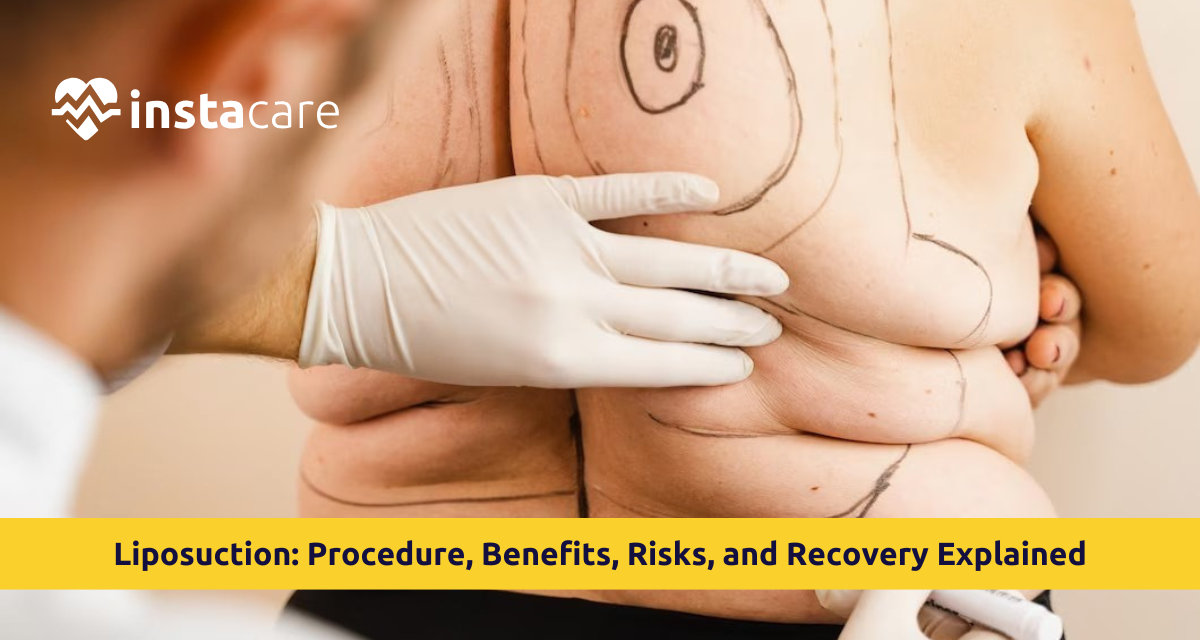
What Is Liposuction?
Liposuction is a medical surgery that is used to extract the unwanted fat in parts of the body by application of suction technology. It is commonly performed on:
- Abdomen (Liposuction for belly fat)
- Thighs (Liposuction for thighs)
- Hips
- Arms
- Back
- Chin and neck
The main aim is shaping up not significant weight loss.
How Liposuction Works?
Liposuction is the process whereby the fat cells are broken down and pumped out by use of a narrow tube known as cannula. A surgeon places the cannula via small holes and removes fat with the help of a vacuum machine.
Key points:
- Localized fat deposits are the targets.
- Fat cells are permanently destroyed.
- Improves body proportions
- Needs anesthesia (local or general according to the area)
The fat cells that are lost in the process are not regained but excess weight may cause the remaining fat cells to multiply.
Types of Liposuction Techniques
There are various highly developed methods that can be used depending on the need of the patient.
Tumescent Liposuction
The most prevalent is tumescent liposuction. Before the removal of fat, a solution of saline, anesthetic, and epinephrine are injected on the part of treatment.
Benefits:
- Minimizes bleeding
- Reduces pain
- Allows precise fat removal
Ultrasound-Assisted Liposuction (UAL)
Liquefies fat using ultrasound energy then removes it by suction.
Best for:
- Dense fat areas
- Male chest reduction
Laser-Assisted Liposuction
Laser energy is used to dissolve fat and to tighten skin.
Benefits:
- Less invasive
- May improve skin tightening
Power-Assisted Liposuction (PAL)
Removes the fats easier through the use of a vibrating cannula.
Benefits:
- Faster procedure
- Reduced surgeon fatigue
Who Is a Good Candidate?
You can be a good candidate provided that you:
Close to your ideal weight?
- Have good skin elasticity
- Have stubborn fat pockets
- Are physically healthy
- Be realistic about things.
Not ideal for:
- Severe obesity
- Poor skin tone
- Serious medical conditions
Liposuction is not a weight killer but a body shaper.
Read More: Slipped Herniated Disc
The Liposuction Procedure: Step-by-Step
This is what usually occurs in the process:
- Anesthesia: Anesthesia is either local or general.
- Incisions: Little scratches are done around the area of treatment.
- Fat Disruption: The fat is loosened in the chosen technique.
- Fat Removal: Fat is removed through the suction of the fat using a cannula.
- Closure: Incisions are surged and compression dressings placed.
The treatment process lasts between 1-3 hours according to the part being treated.
Recovery and Healing Timeline
The Liposuction recovery time depends on a person and the area of treatment.
First Few Days:
- Swelling and bruising
- Mild to moderate discomfort
- Wearing of compression garments needed.
1-2 Weeks:
- Return to light activities
- Reduced swelling
3-6 Weeks:
- Resume exercise
- Improvement in contours visible
3-6 Months:
- Final outcomes are even more prominent.
It is important to follow the instructions regarding the post-operative period.
Benefits of Liposuction
There are physical and psychological advantages of liposuction.
Key Advantages:
- Improved body contours
- Permanent fat removal
- Enhanced confidence
- Better clothing fit
- Quick visible results
There is a great satisfaction among almost all patients who view liposuction before and after changes.
Risks and Possible Side Effects
As is the case with any surgical operation, there are Liposuction risks.
Liposuction side effects:
- Swelling and bruising
- Infection
- Irregular contours
- Numbness
- Fluid accumulation
- Scarring
Severe complications are not common but may happen. The selection of a skilled surgeon minimizes risks.
Liposuction vs Weight Loss Procedures
Weight-loss surgery is often mistaken with liposuction.
Liposuction:
- Removes localized fat
- Cosmetic procedure
- Not for obesity treatment
Weight loss surgery (e.g. Bariatric):
- Reduces stomach size
- Treats obesity
- Medical procedure
Liposuction is not the best in terms of shedding off excess weight.
Preparing for Liposuction
Good planning enhances results.
Pre-Surgery Tips:
- Stop smoking
- Sear off blood-thinning drugs.
- Maintain stable weight
- Organize post-operation care.
- Adhere to dietary advice of surgeon.
Before surgery, a medical assessment is normally needed.
Results and Long-Term Maintenance
Findings become evident when the swelling disappears. Nevertheless, to sustain results, one has to be committed.
To Maintain Results:
- Eat a balanced diet
- Exercise regularly
- Prevent excessive gain of weight.
- Follow up with your surgeon
Even though fat cells are destroyed forever, bad lifestyle may influence the overall body shape.
Conclusion
One of the most effective body shaping operations is liposuction which removes the fats which are hard to lose and enhance body figures. Though it does not promise to be a weight-loss fix, it can be as dramatic in some regions of the body as in the abdomen and the thighs. Before deciding to do it, it is necessary to observe how it can be done, how it will be restored to its normal condition, what the dangers are, and how this will be held on in the long run. One can never be sure enough especially when it comes to having a clue of what to expect and be able to treat by consulting a trained plastic surgeon.
Please book an appointment with the best Plastic Surgeon in Lahore, Karachi, Islamabad, and all major cities of Pakistan through InstaCare, or call our helpline at 03171777509 to find a verified doctor for your disease.