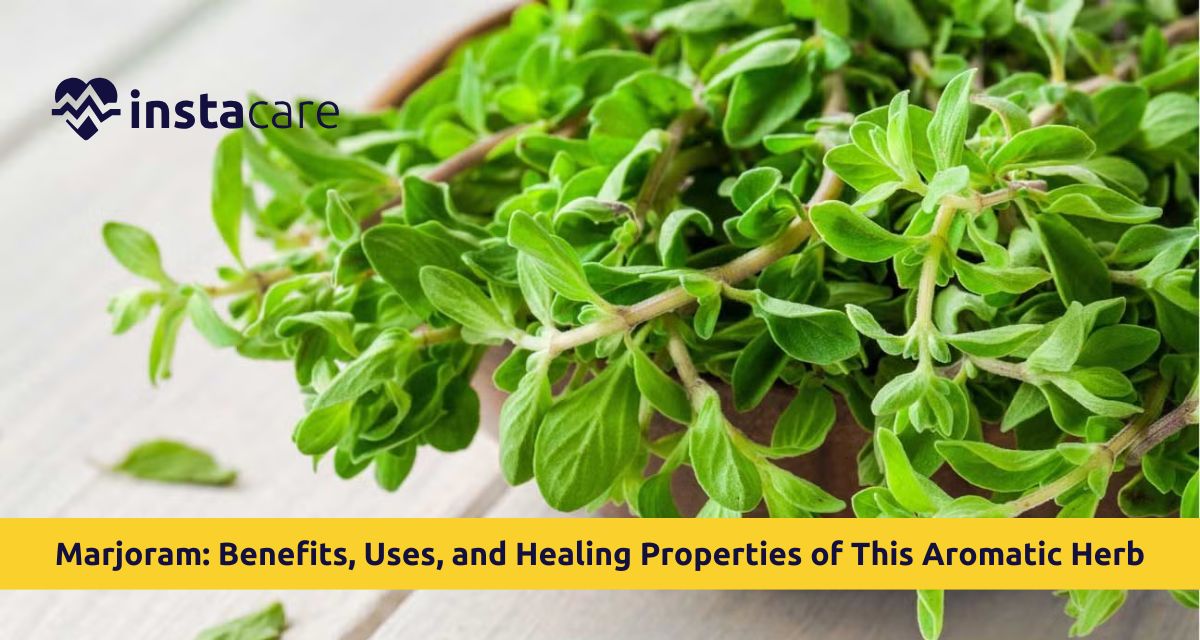
From calming the digestive tract to having a well-functioning respiratory system, marjoram has been employed as an herbal solution for centuries. Even today, researchers are discovering increasingly the worth of marjoram that is worth its centuries of applications.
What is Marjoram
Marjoram (Origanum majorana) is a wild perennial plant that flourishes in a Mediterranean climate. Marjoram likes warmth and can be seen to be widely cultivated in herb gardens across the globe. Marjoram has also been confused with oregano since it grows and tastes similarly but isn't as bitter or pungent as oregano, which is bitter and pungent. This is a very controversial thesis when referencing Marjoram vs oregano.
The herb consists of green, small leaves with groups of very small white or purplish flowers. Dried marjoram and fresh marjoram is utilized in the culinary process, whereas the oil is steam-distilled for its drug processing and perfumery purposes.
Nutritional Value of Marjoram
Marjoram, if utilized in either context in a small amount, also contains an abundance of nutrients and plant materials on which its medicinal effect depends. Dried marjoram consists of one teaspoon having:
- Vitamins A, C, and K, which provide immunity, skin and health, as well as blood coagulation.
- Minerals: Magnesium, calcium, iron, and potassium.
- Antioxidants: Phenolic acids and flavonoids which possess the capacity to fight oxidative stress.
- Essential oils: Such as carvacrol, terpinene, and thymol, which make up marjoram's highest value to health.
These are the strong drive towards health even at infinitesimal quantities.
Marjoram Benefits to Health
Natural medicine's crown jewel for centuries has been marjoram due to its longevity property. Value to general well-being has yet to be explored by today's science.
1. Marjoram for Digestion
Natural use of Marjoram for digestion cures upset stomach. Natural agents in marjoram can stimulate digestion, soothe bloating, and scatter gas. Marjoram tea benefits are alot. One cup of marjoram tea consumed prior to meals will soothe mild indigestion and stimulate normal bowel activity.
2. Marjoram for Anxiety and Stress
Likewise used for its soothing scent, Marjoram for anxiety is even applied in aromatherapy. Breathing marjoram oil or drinking marjoram tea will be at peace, less tense, and sleep peacefully. It is highly recommended by herbalists as an easy solution against anxiety and tension.
3. Marjoram for Respiratory Health
Marjoram is rich with antimicrobial and expectorant chemicals and the herb is thus utilized in the treatment of cold, cough, and congestion. Marjoram for respiratory health is also incorporated on an occasional basis in herbal treatment of bronchitis and asthma. Steam inhalation of marjoram oil or warm marjoram tea can treat respiratory disease and eliminate airway obstructions possibly.
4. Antioxidant and Anti-Inflammatory Effects
The antioxidants in marjoram combat free radicals that lead to chronic disease and aging. Daily intake will yield a healthy heart, anti-inflammatory protection, and immune system defense.
5. Women's Health Support
Marjoram has been used by folk medicine to normalize the menstrual cycle, combat cramping, and level hormones. Some studies purport to stimulate insulin sensitivity and level hormones in women with polycystic ovary syndrome (PCOS).
6. Antimicrobial Activities
Marjoram oil is antiviral, antibacterial, and antifungal in nature. On this account, marjoram is utilized in herbal medicine to treat small wounds, skin disease, and food preservation.
Culinary Uses of Marjoram
The most valued culinary use of marjoram is as a flavoring placed on food with a savory flavor. The tenderness and sweetness of marjoram are transferred to cooked and raw foods.
- Soups, stews, and sauces are common marjoram flavorings.
- Marjoram goes well with roasted meat, chicken, and fish.
- Marjoram tops salads, pasta, or pizzas with fresh leaves.
- Marjoram is an extremely old Greek herb and gets incorporated into marinades, vegetable food, and salad dressing.
- Marjoram is less potent compared to oregano and so must be added near the end of cooking to allow way for its aroma.
It is a herb all mixed and superficial for home and shop preparation due to this variability.
Medicinal and Herbal Uses
Marjoram has been employed in herbal medicine across the globe since time immemorial. Among the Marjoram medicinal uses as per traditional practice are:
- Marjoram tea applications: Employed in the management of digestive unease, headache, and menstrual cramps.
- Aromatherapy: Application of Marjoram essential oil to induce relaxation, facilitate sleep, and drive out stress.
- Topical applications: Applied topically in dilution, Marjoram oil is applied on painful muscles and joints.
- Traditional medical application: Traditionally, in Greek, Middle Eastern, and Ayurvedic medicine, it is utilized to treat hormonal imbalance, cold, and gastro-intestinal disorder.
The ancient tradition of use of traditional medicine by Marjoram teaches us a lot about its contemporary use as a natural health supplement.
Precautions & Side Effects
While marjoram is generally safe to be consumed in food quantities, the stronger formulations such as teas or oils should be consumed with care.
- Allergic reaction: If the patient is allergic to herbs belonging to mint family, then he or she will also be allergic to them.
- Pregnancy and lactation: Avoid high doses since there could be hormonal effects.
- Interactions with other drugs: Marjoram interacts with tranquilizers, thinning drugs, or diabetes drugs.
- Abuse: Excessive use of marjoram essential oil or food supplements that are super-concentrated induce nausea or stomach discomfort.
Detection of marjoram side effects guards against abuse of this useful herb.
Cultivating and Storing Marjoram
Cultivating marjoram is not very hard, therefore it is an ideal home garden herb.
- Weather: Soft, warm weather with good sun and drainage.
- Watering: Water moderately—not overwater and rot of roots.
- Harvest: Pick leaves when the plant reaches 6 inches high. They should be hardy and smelling sweet when harvested just before opening into flower.
- Container culture: Marjoram is also grown in pots, so is equally well-placed on a balcony or a room.
Storage Instructions
- Marjoram leaves will keep for a few days when stored in the refrigerator wrapped in a covering of airtight, damp paper towel.
- Dry marjoram will keep fresh for half a year if it is stored in an air-tight covered container.
- Marjoram oil should be stored in a dark cool place out of direct sunlight.
- With proper care of the marjoram plant, you will enjoy the sweet aroma of the scented herb all year.
Conclusion
Marjoram is a great tasting herb to add to food, but that just begins to cover what it can do. There are many Marjoram health benefits that span from stimulating digestion and overcoming nervousness to soothing the breathing and women's health. Its long history of use in centuries as a spice and medically for the past centuries makes it a rich addition to the present day.
Regardless of whether you take it in the form of calming tea, mix it with your food as herb, or inhale as oil, marjoram remains alive as powerful and medicinal herb. As soon as you are familiar with its application as well as how you should apply it with care, you can benefit most from this ancient remedy.
Please book an appointment with the Best Nutritionist in Lahore, Karachi, Islamabad, and all major cities of Pakistan through InstaCare, or call our helpline at 03171777509 to find a verified doctor for your disease.