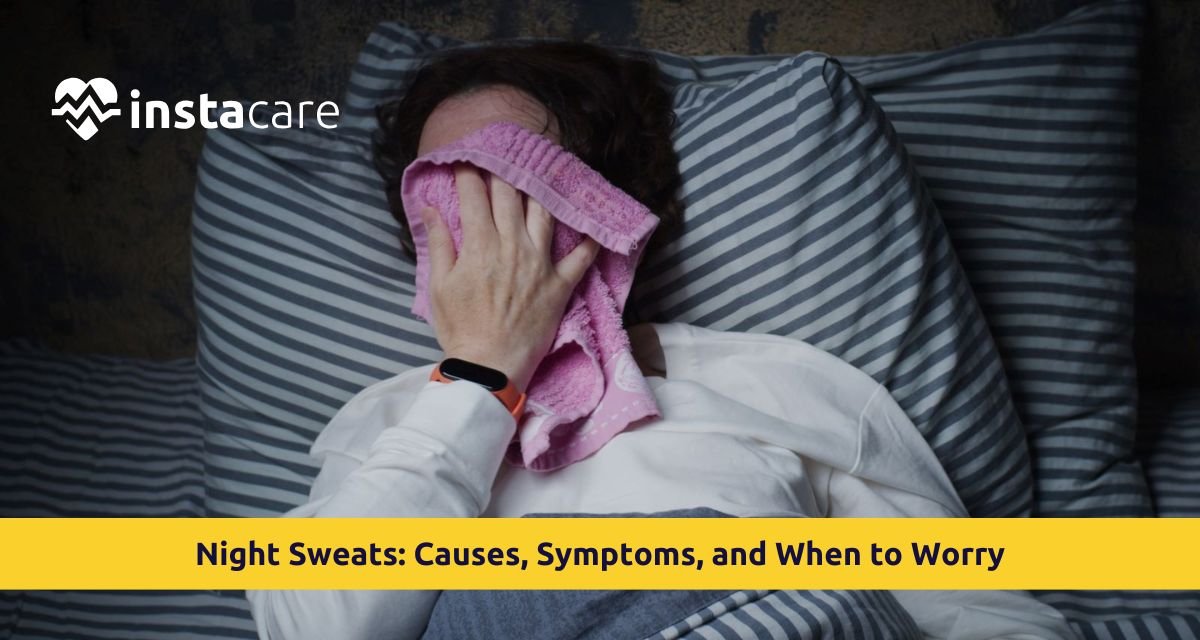
It is terrifying to wake up with sweat, and when it becomes a regular occurrence. Night sweats are not simple feelings of warmness during the sleep, but they are too much sweating that is able to wet clothes or bedclothes even when in a cool room. Although sweat may not be harmful when it occurs frequently, it might indicate a problem with health. Learning about the causes of night sweats, related symptoms and warning signs can make you know when it is sufficient to use simple lifestyle changes and when medical examination is required.
What Are Night Sweats?
Night sweats are the excess sweating that takes place at the time of sleep and this is not brought on by heat or thick blankets. They usually occur abruptly and make individuals wake up feeling hot, clammy or uncomfortable. In comparison to mild perspiration, these episodes can interfere with the quality of sleep and are also accompanied by other symptoms, including fever, chills, or weight changes. The phenomenon of Night sweats at night is rather alarming when it comes to the regularity or lack of an apparent cause.
Typical Triggers of Night Sweats
Night sweats in most instances are associated with lifestyle or environment. Non-medical reasons are usually common and may include:
- Poor ventilation or sleeping in a hot room.
- Heavy blankets or bedding
- Emotional or emotional distress, stress, or anxiety.
- Hot food or alcohol prior to sleep.
- Late day intake of caffeine.
- Vigorous physical activities near the bed time.
These reasons tend to trigger some incidents and heal after the triggers are resolved.
Health Disorders Associated with Night Sweats
Medical reasons should be taken into account when the process of sweating is chronic or intense. The potential medical causes are:
- Diseases like TB or chronic infections of bacteria.
- Thyroid imbalance is an endocrine disorder.
- Some malignancies, especially lymphomas.
- Autoimmune diseases
- Gastroesophageal reflux disease (GERD).
- Sleep apnea
At times night sweats can be accompanied by fever, which can indicate infection or inflammation. Night sweats and fever riding hand in hand should never be overlooked especially when they take more than a few days.
Night Sweats in Men vs Women
Night sweats may occur in any person, but gender may vary with patterns and causes. Hormonal changes among women are most likely associated with night sweats. Night sweats in women commonly occur during:
- Menopause and per menopause.
- Pregnancy
- Menstrual cycle changes
The changes of estrogen levels may disrupt the temperature movement, which causes the hormonal night sweats that appear sudden and strong. Night sweats in men could be related to:
- Low testosterone levels
- Prostate-related treatments
- Hormonal changes as a result of stress.
- Certain medications
An insight into gender-related aspects could be used to inform diagnosis and treatment.
Read More: Hyperhidrosis (Excessive Sweating): Causes, Symptoms, and Treatment Options
When Should You See a Doctor?
Sweating is not a serious issue that needs a doctor, over time; the presence of unpleasant symptoms should be assessed. Consult the physician in case of:
- The frequency is a number of weeks before sweats take place.
- Clothes or bedding are washed frequently.
- Weight loss is unexplainable.
- Sweating is accompanied by fever, fatigue or pain.
- Symptoms disrupt normal functioning.
- You realize that you have Night sweats in adults with no clear precipitating factors.
Late diagnosis can be dismissed and it gives comfort.
Diagnosis of Night Sweats
The cause can only be diagnosed through keen consideration of evaluation instead of a test. Doctors may use:
- Expansive medical history and review of symptoms.
- Physical examination
- Blood tests to diagnose hormones, infections, or inflammation.
- Imaging test in case of serious illness.
- Case studies of suspected sleep apnea Sleep studies.
The recognition of patterns including timing and related symptoms is essential to be properly diagnosed.
Treatment Options
Treatment is based on the cause of the symptoms and not the symptom itself. Common approaches include:
- Using the right drugs to treat infections.
- Male menopausal hormone therapy or treatment.
- Altering or modifying drugs that cause sweating.
- Dealing with anxiety/stress via treatment or relaxation.
- Management of such chronic illnesses as thyroid disorders.
Night sweats usually respond well after the root cause had been dealt with.
Home Care and Prevention Tips
Episodes can be reduced or prevented by simple lifestyle changes particularly where no serious illness is detected. Helpful tips include:
- Maintaining the bedroom in cool and well-ventilated.
- Wearing breathable cotton bedding and sleepwear.
- Avoiding alcohol, caffeine, and spicy foods before getting to sleep.
- Relaxation exercises like deep breathing.
- Having a regular sleeping routine.
- Keeping the body hydrated during the day.
The steps are mainly effective in mild or stress related cases.
Conclusion
Night sweats may be an innocent ache or an indicator of ill health. Although some of the episodes can be explained by environmental influences and a rather specific lifestyle, frequent or intense sweating cannot be disregarded. This can be done by knowing the possible triggers, knowing some warning signs as well as seeking medical care as soon as possible to be diagnosed and managed. The correct strategy will allow the majority of individuals to lessen the symptoms and re-establish peaceful sleep.
Please book an appointment with the best General Physician in Lahore, Karachi, Islamabad and all major cities of Pakistan through Instacare, or call our helpline 03171777509 to find a certified doctor for your illness.