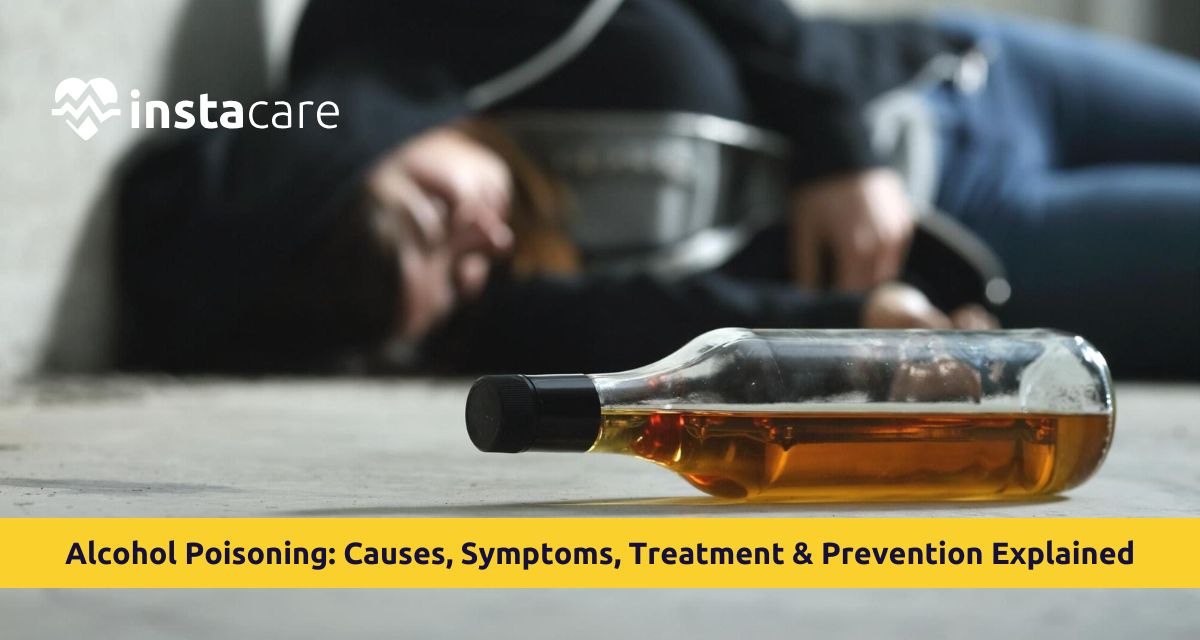
Alcohol poisoning is a life threatening medical emergency as a result of one taking more alcohol than the body can handle. It influences respiration, heart rate, body temperature, and may result in coma or death in case of timely fewer treatments. Knowledge of alcohol poisoning symptoms and the appropriate time to take action can save life. To keep up to date and be aware of what to do in case of an ordeal, this guide outlines the causes, binge drinking risks, first aid, emergency signs and long-term effects of alcohol overdose.
What Is Alcohol Poisoning?
Alcohol poisoning happens when excessive amounts of ethanol by the blood find their way to the liver at a rate that is exceeding the rate at which the liver metabolizes them. The liver usually uses an average of one standard drink per hour. Alcohol accumulates in the blood and starts to influence the crucial functions when an individual consumes a great amount of it within a short period. Very high blood alcohol level may paralyze the breathing and consciousness part of the brain hence a life threatening condition.
What Causes Alcohol Poisoning?
Alcohol poisoning is the resultant effect of excess alcohol in the body than that which the body is able to handle. There are various behaviors and ailments that can elevate the rate of alcohol intake and heighten the risk of toxicity accumulating in the blood. Such causes of alcohol poisoning can be learned in order to bring about dangerous situations.
- Taking large quantities of alcohol in a relatively small period of time particularly in binge drinking.
- Consuming alcohol when one is hungry and thus, the alcohol will get into the bloodstream faster.
- Combining alcohol with drugs or medications that are stimulated or alter the effect of alcohol.
- Taking liquor in large amounts or in high concentration that elevates blood alcohol concentration so quickly.
Being of lower body weight, younger age or naturally lower alcohol tolerance.
Symptoms of Alcohol Poisoning
Early identification of the warning signs will help to avoid serious complications. Common symptoms include:
- Loss of concentration, insomnia.
- Vomiting repeatedly
- Slow or irregular breathing
- Very cold body temperature.
- Pale or bluish skin
- Seizures
- Unresponsiveness
All of these are symptoms of alcohol poisoning, and they need to be addressed immediately since the individual can get worse within a short period of time.
What Happens to the Body During Alcohol Poisoning?
Having an impact on the central nervous system, alcohol slows down the brain processes and impairs its judgment and motor abilities. The higher the levels become, the less the reflexes and protective mechanisms are, such as the gag reflex, and thus more likely to choke. Alcohol toxicity of severe form may slow down breathing and heart rate, decrease body temperature and fail to regulate blood sugar level. The amount of alcohol that leads to poisoning depends on the size of a body, tolerance to alcohol, and the speed of its consumption, and there is no limit to the amount of alcohol that can be regarded as safe as it is consumed quickly.
When to Seek Emergency Help?
Alcohol poisoning is a potentially fatal emergency that can be resolved by immediate intervention. Knowing how much alcohol causes poisoning and when to go to hospital for alcohol poisoning is very important. In case a person displays any serious signs, or you are not sure whether his or her condition is a life-threatening one, you will be always safe to seek medical assistance.
- The individual is in the unconscious or cannot be revived.
- The breath is slow, irregular or shallow.
- They are getting seizures or convulsions.
- Post vomiting does not make them wake up.
- They either have pale skin, cold skin or bluish skin.
- You do not know when to rush to hospital with the alcohol poisoning- always on time.
Reporting an emergency should be done immediately even when there is a slight suspicion of being poisoned.
First Aid for Alcohol Poisoning
When the ambulance is approaching, it may be possible to administer alcohol poisoning first aid to stabilize the individual:
- Dial emergency services.
- Wake the individual up as much as possible.
- Lay them in the recovery position (on their side) to avoid choking.
- Avoid intermittent observation of breathing and alertness.
- Do not feed them, do not give them water, do not give them coffee, do not give them cold showers.
- Do not make them vomit, this is more dangerous to choke.
Knowing the steps involved in the alcohol overdose treatment will help you to take the right precautions when you are waiting to receive assistance.
Long-Term Risks and Complications
Individuals can also suffer severe alcohol poisoning complications after recovery particularly when it occurs repeatedly. Overdose of alcohol may lead to liver damage, brain damage, memory loss, kidney malfunction and immunity. The long-term effects are also psychological health problems and dependency. Repeated cases of poisoning enhance the long-term consequences of alcohol overdose that may last years unless attended to.
Also, the long-term excessive use of alcohol can lead to alcohol abuse and addiction and therefore medical and psychological assistance is needed.
Prevention Tips for Alcohol Poisoning
Poisoning can be avoided by means of smart drinking and education. The alcohol poisoning prevention measures against alcohol poisoning are:
- Be aware of your strengths and weaknesses and go at your own rate.
- Dine before and during intoxication.
- Substitute alcoholic beverages with water.
- It should not be combined with other drugs or medications.
- Do not play drinking games or gulp drinking.
- Keep checking the friends and intervene in case someone is drinking too fast.
Alcohol poisoning in teenagers and adolescents are particularly vulnerable and awareness on alleviating alcohol poisoning is important in teens.
Read More: Alcohol in Skin Care, Is It Ever Okay?
Alcohol Poisoning vs. Drunkenness: Key Differences
Most individuals confuse alcohol poisoning and being very drunk yet the two are very opposite. Drunkenness is characterized by speech impairments, inadequate coordination, and poor judgment. Alcohol poisoning is much more than that, the person can no longer feel and react and close his airway because of the slowed breathing, the loss of consciousness.
As much as drunkenness can be better with rest, alcohol poisoning is an emergency in which alcohol poisoning should be treated. Knowledge of this distinction will help to act in time and potentially prevent lethal results.
Conclusion
Alcohol poisoning is a thing that is a major medical emergency but is preventable. Knowing the causes of cases of alcohol poisoning, the signs of warning and knowing emergency treatment for alcohol poisoning with the correct first aid, you will save yourself and other people. The risk can be largely reduced by focusing on safer drinking practices, avoiding tendencies toward binge drinking, and minding the capacities of the body. In case of doubt, just consult the doctor, time is of the essence.
Please book an appointment with the best General Physician in Lahore, Karachi, Islamabad and all major cities of Pakistan through Instacare, or call our helpline 03171777509 to find a certified doctor for your illness.