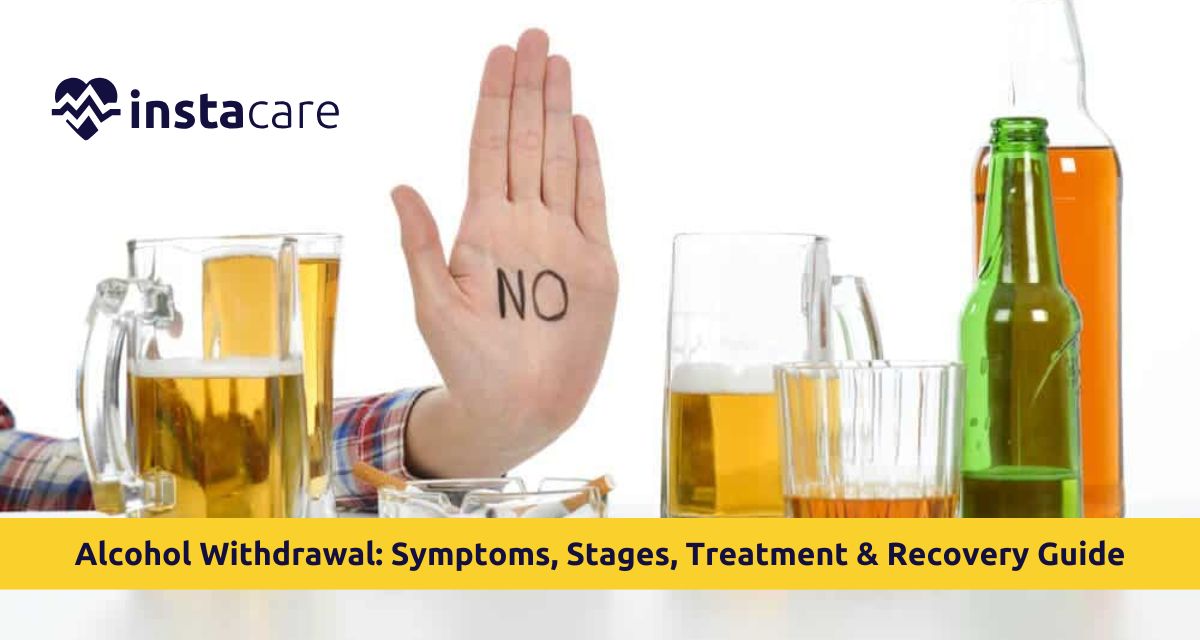
Alcohol withdrawal happens to be the feeling that arises after the sudden decrease or the stopping of the alcohol intake of an individual who over the years or rather on a regular basis consumed alcohol. Alcohol addiction gets into the human body and without it the nervous system gets hyper active and thus leads to physical and psychological symptoms which can be mild or fatal. The symptoms, Alcohol withdrawal timeline, predisposing elements and alcohol withdrawal symptoms, and the type of treatment, are essential in achieving successful and safe recovery.
What Is Alcohol Withdrawal?
Alcohol withdrawal refers to a physiological response resulting due to an abrupt Alcohol dependence person who abruptly quits taking alcohol. As time goes by, alcohol will suppress the central nervous system; the body will respond by increasing the concentration of stimulating substances. The outcome of this imbalance is hyperactivity followed by the discontinuation of the consumption of alcohol which causes tremors, anxiety, sweating, and severe diseases like alcohol withdrawal seizure or Delirium tremens (DTs). The withdrawal is a medical complication and it cannot be underestimated.
Causes of Alcohol Withdrawal
The alcohol withdrawal is brought about by:
- Prolonged alcohol consumption, neurochemical adaptation.
- Sudden reduction or quitting of alcohol after a habitual consumption of alcohol.
- Previous or past history of alcohol addiction recovery experience or previous withdrawal.
- Depend on the effects of long-term stimulation of GABA and glutamate circuits.
The other risk factors include dehydration, malnutrition, other co-morbid conditions, other substance use.
Stages of Alcohol Withdrawal
The alcohol withdrawal stages are not quick and they will take place over a time span of the initial 72 hours even though some of them may be prolonged. Stages may include:
Stage 1, mild withdrawal (6-12 hours after the last intake)
- Anxiety
- Headache
- Mild tremors
- Sweating
- Nausea
Stage 2, Moderate (12-48 hours) Withdrawal
- High blood pressure
- Rapid heartbeat
- Fever
- Confusion
- Worsening tremors
Stage 3, Extreme Withdrawal (48-72 hours)
The emergency care is required in this step because it might entail:
- Severe agitation
- Hallucinations
- Alcohol withdrawal convulsions
- Delirium tremens (DTs), emergency illness that is life threatening.
Signs and Symptoms to Watch For
The common symptoms of alcohol withdrawal include:
- Shaking or tremors
- Anxiety, restlessness, irritability.
- Sleep disturbances
- Nausea or vomiting
- Sweating
- Rapid heart rate
- High blood pressure
- Disorientation
- Hallucinations, hearing or seeing.
The severe ones include seizures, delirium, and unconsciousness. The physician has to be notified in case of any serious symptom.
Read More: Alcohol in Skin Care Is It Ever Okay
Diagnosis and When to See a Doctor
In order to diagnose alcohol withdrawal, the healthcare providers detect Alcohol withdrawal precautions by:
- Medical history
- Physical examination
- CIWA-Ar is one of the tools used in measurement.
- Blood tests electrolyte imbalance, liver functioning and hydration level.
You are to be assisted medically at once once the symptoms are:
- Seizures
- Hallucinations
- Severe confusion
- Uncontrollable vomiting
- Chest pain
These are signs of alcohol withdrawal complications that are life threatening.
Treatment Options for Alcohol Withdrawal
Proper alcohol withdrawal treatment is aimed at stabilization of the patient, the exclusion of complications, and long-term recovery of the patient.
1. Medical Detox
It is also known as alcohol detox and controlled detox under controlled environment. Doctors monitor the vital signs, hydration, nutrition and mental conditions.
2. Alcohol Withdrawal Medication
The medications that could be administered under the medical guidance are:
- Benzodiazepines (prophylactic in preventing convulsions)
- Anti-seizure medications
- Antipsychotics (when hallucinated)
- The vitamins including the thiamine to prevent brain complications.
- Self-medication is not very safe, these drugs should be prescribed and controlled by the professionals.
3. Extreme Cases Hospitalization
ICU-level monitoring is required to the patients who have DTs, seizures or are severely dehydrated.
4. The Persistence of Treatment after a Withdrawal
The long-term care would include:
- Alcohol rehab programs
- Behavioral therapy
- Medication of relapse prevention.
- Counseling
- Support groups
Recovery is not simply over with the detox but the lifelong therapy reduces the relapse risks.
Complications of Untreated Alcohol Withdrawal
Withdrawal may result in:
- Dehydration
- Electrolyte imbalance
- Heart rhythm disturbances
- Alcohol withdrawal seizures.
- Delirium tremens (DTs)
- Coma
- Organ failure
- Death in extreme cases
These risks indicate that the self-detox can be hazardous.
Prevention & Risk Reduction
Risk people should not stop taking alcohol without help. Helpful strategies include:
- Experimenting with withdrawal medical observation.
- Progressive reduction due to professional recommendation.
- Eating well and being well-hydrated.
- Using the prescription drugs only that are approved.
- Teaching about alcohol withdrawal prior to attempting to withdraw.
- Involvement in on-going recovery support.
Long term Alcohol abstinence & recovery support will help in sobriety maintenance, health outcomes.
Conclusion
Alcohol withdrawal is a serious condition, which should be raised to awareness, diagnosed and treated by the professionals at a timely manner. Education on the stages, symptoms, risk and treatment pathways will lead to decreased complications and improved the recovery rates. Being treated under the supervision of a right medical help, with constant help and regular support, people will be capable of achieving permanent sobriety and a more good and stable life.
Please book an appointment with the best General Physician in Lahore, Karachi, Islamabad and all major cities of Pakistan through Instacare, or call our helpline 03171777509 to find a certified doctor for your illness.