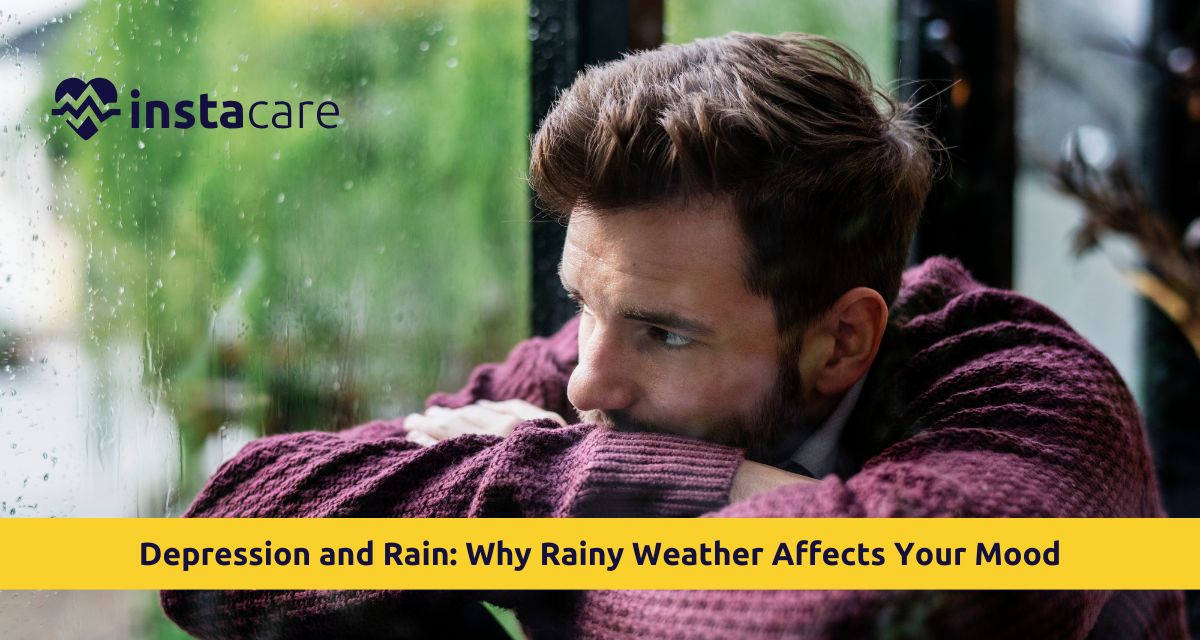
To a few, Weather and mood variations are slight and momentary. Nevertheless, other people can undergo greater emotional effects of cloudy weather or rainy seasons. This connection can be the key to understanding how to manage emotions better in order to help people.
How Weather Affects Mood
Mood can be affected by weather in a number of biological and psychological processes. The role of sunlight is that it helps the body to set its internal clock and aid in the production of serotonin, which is a hormone that is associated with happiness.
Low sunlight mood effects which include fatigue, low motivation and irritability that people may experience due to the decrease in sunlight during rainy or cloudy seasons. Sleep patterns can also be disturbed by low levels of sunshine which can also influence emotional balance. Consequently, extended cloudy seasons can be a cause of Gloomy weather depression in some patients.
The Link Between Rain and Depression
The relationship between Rainy weather and depression is largely associated with lack of sunlight and alteration in day to day activities. The rains usually keep the people indoors with limited physical movement and social interaction.
Other individuals also relate rain to slower days and noiseless places. This may at times multiply the loneliness or sadness and this fact explains Why rain makes people sad among some people. But emotional response to rainy weather differs greatly based on personalities, way of life and mental state.
Understanding Seasonal Mood Changes
Emotions can be very dependent on seasonal changes. In the colder seasons or in seasons of heavy rainfall, human beings might develop apparent changes in mood. These Weather and mood changes can be similar to that of the Seasonal affective disorder, which is associated with lack of sunlight exposure during certain seasons.
The Winter depression symptoms include:
- Constant fatigue and exhaustion.
- Difficulty concentrating
- Increased sleep or fatigue
- Loss of motivation
- Experiencing depression or emotional depression.
The knowledge of these seasonal patterns makes people aware of the instances that their mood swings can be related to weather conditions.
Common Symptoms Associated with Rainy-Day Depression
The change of mood in rainy periods may influence the behavior and the mood. Cloudy weather has emotional impacts that are usually realized over a long time in the face of gloomy weather.
Ordinary Mood variations during rainy season include:
- Experiencing fatigue or being energy-depleted.
- Loss of interest in either work or socializing.
- Increased sleepiness
- Difficulty concentrating
- Feeling out of the way or less active.
These Seasonal affective disorder symptoms tend to be not long lasting but might be experienced more intensely in case rainy conditions are prolonged over several days or weeks.
Read More: 7 Health Benefits Of Rainwater You Should Be Knowing
Why Some People Are More Affected
Response to Environmental Alterations
Others have a tendency to be more sensitive to the environmental changes, such as change in weather and daylight.
Current Mental Health Disorders
Those individuals that are already vulnerable to anxiety or depression can experience more significant emotional responses to bad weather.
Lifestyle Factors
Little exercise, disturbed sleep patterns, and social isolation may make one more prone to mood variation based on weather conditions.
A factor of personal perception is also important. Whereas others will get depressed by heavy rains, others would be relaxed.
Positive Effects of Rain for Some People
Rain is not necessarily a cause of negative emotions. Rainy weather produces a serene and smooth environment for many people.
The potential positive outcomes are:
- Feeling of ease and tranquility.
- Liking indoor activities that are quiet.
- Greater concentration on leisure or innovation.
- Cooler weather results in better sleep.
To such people, rain can even make them feel better and give them relaxation of an otherwise hectic routine.
Tips to Improve Mood on Rainy Days
Although the bad weather may be rainy and may have an impact on the mood, it is possible to be positive and effective in a simple way.
Helpful strategies include:
- Physical exercise at home by stretching, doing yoga or workout.
- Exposing oneself to natural light or a bright interior light.
- I am interested in such activities as reading, drawing, or cooking.
- Watching inspirational videos/listening to music.
- Socializing with friends or relatives.
These habits may lessen the moodiness of the sad weather and can be used to stay in a normal mood.
When to Seek Professional Help?
Periodic mood swings in rainy seasons are not a cause for concern. Nonetheless, in case the state of sadness or low energy lasts a long time, seeking professional assistance can be beneficial.
You can arrange a conversation with a mental health professional in case:
- The mood variation takes a few weeks.
- The day-to-day operations become hard to control.
- Sleep and energy levels are at a constant low level.
- Moods start influencing relations or work.
Early intervention may assist people in coming up with healthy coping mechanisms.
Conclusion
The effect of weather conditions on emotional health could be numerous. Solar insufficiency, habit alterations, and reduced outdoor activities can be considered as factors in temporary mood fluctuation. Although the relation between the Rainy weather and depression influences some people, most people have minimal emotional variations.
Through exercise, social status and fun, one can remain in a good mood even when the weather is very dark. Knowing the correlation between mental health and weather will aid people to be more aware of patterns of moods and to be more effective in dealing with seasonal variations of moods.
Please book an appointment with the best Psychologist in Lahore, Karachi, Islamabad, and all major cities of Pakistan through InstaCare, or call our helpline at 03171777509 to find a verified doctor for your disease.