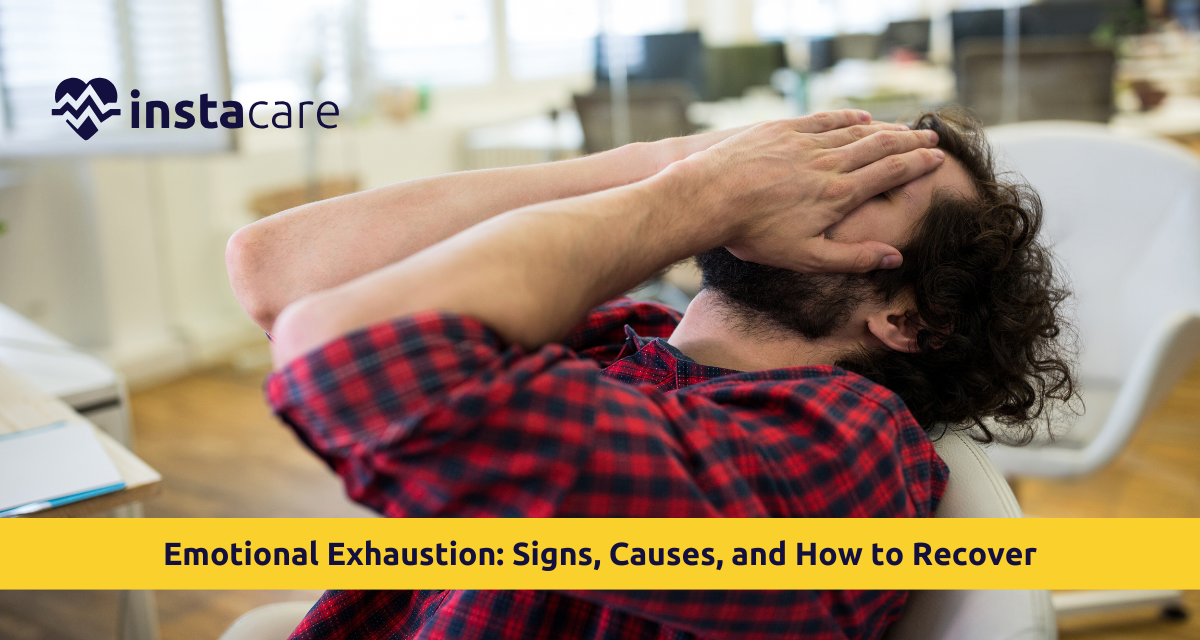
Continuous stress may result in severe Chronic stress effects, both physically and psychologically. Emotional exhaustion is usually linked to heavy workloads, personal problems and long-term mental stress. Early detection of the signs and subsequent measures that can be taken towards Emotional exhaustion recovery that may enable people to regain balance, safeguard their own well-being, and rebuild their mental resilience.
What Is Emotional Exhaustion?
Emotional exhaustion refers to a situation where one becomes mentally exhausted and incapable of facing the day-to-day demands as a result of stress or emotional burden. It is deemed to be one of the primary elements of Burnout syndrome, a phenomenon that is usually related to work stress and emotional burden over a long period of time.
Emotional exhaustion of an individual also makes them highly ineffective in dealing with stress, motivation and emotional responding. This condition is usually acquired with time due to constant pressure and challenges.
Most people who report Psychological exhaustion complain that they feel overwhelmed and distant from their duties and cannot recharge themselves even after a rest.
Common Causes of Emotional Exhaustion
Workplace Stress
Workplace burnout is one of the major causes of emotional exhaustion. Chronic pressure may be caused by long working hours, workload, unrealistic deadlines, and lack of management support that will slowly wear down the emotional energy over time.
Personal and Family Responsibilities
Emotional fatigue may also be caused in the process of managing family related issues, care giving duties, and relationship related issues, particularly where people do not have prepared systems of support.
Monetary or Life Uncertainty
Prolonged stress may be caused by economic pressures, job insecurity or significant transitions in life, which adds to emotional strain and mental overload.
Lack of Work-Life Balance
The risk of stress and emotional exhaustion has a high degree when people are always aimed at work or obligations without having time to spend or relax.
Mental Overload
Overworking and making decisions continuously, as well as overloading with information, may be among the Mental fatigue causes, which result in a lack of concentration and emotional stability.
Signs and Symptoms of Emotional Exhaustion
Early symptoms are important to identify so as to avoid the long-lasting psychological damage. The effects of emotional exhaustion may occur in different mental, emotional, and physical forms.
Emotional Symptoms
- Constant depression or annoyance.
- Overwhelmed or hopeless.
- Demoralisation or lack of incentive.
- Excessive frustration or anger.
Mental Symptoms
- Difficulty concentrating
- Loss of memory, decrease in productivity.
- The worry or ill thinking.
The Work stress symptoms are felt by many people such as mental fog, the inability to be creative, and poor problem-solving capacity.
Physical Symptoms
- Constant fatigue and low energy.
- Sleep disorders or sleeplessness.
- Muscle tension and headaches.
- Weakened immune response
In the long run, emotional exhaustion can also lead to Depression and emotional exhaustion especially when stress is not dealt with.
Read More: How Does Emotional Stress Affect Your Health?
Effects of Emotional Exhaustion
The impact of emotional exhaustion when unattended can be very disastrous. The effects could be spread in individual life, work performance, and physical health.
Reduced Work Performance
The employees who have suffered burnout might find it difficult to be productive, focused and engaged. It may result in low job satisfaction and unfavorable career performance.
Strained Relationships
Fatigue may cause people to become emotionally unfriendly or even irritated and this may influence the relationship with family members, friends and workmates.
Mental Health Risks
Prolonged stress leads to high risk of anxiety disorders, depression and other psychological issues.
Physical Health Issues
Stress is chronic and could lead to high blood pressure, low immunity, and predisposition to stress related diseases.
This is because by being able to see these effects early enough, individuals can take some steps towards Coping with burnout before the situation deteriorates.
How to Recover From Emotional Exhaustion?
Rest is a mixture of changes in lifestyle, emotional self-awareness, and self-care.
Prioritize Rest and Sleep
Sleep is enough to make your brain get back to its normal state after being stressed and emotional regulation. A regular sleeping pattern can help a lot in enhancing mental energy.
Master Stress Management Skills
Meditation, deep breathing, and mindfulness are the activities that calm the nervous system and decrease the stress levels.
Set Healthy Boundaries
Emotional overload can be avoided by learning how to say no and not taking excessive responsibilities.
Return to Pleasurable Pursuits
Hobbies, physical activity, and socialization are some of the activities that can replenish emotional balance and improve mood.
Focus on Self-Care
Common Self-care for emotional burnout could be exercise, proper dietary intake, relaxation, and being outdoors.
These plans are significant in the gradual recovery of Emotional exhaustion and promoting general well-being.
When to Seek Professional Help?
Although lifestyle intervention can be useful in most cases, professional intervention might be required in more critical cases. Consider seeking help if:
- The duration of emotional exhaustion takes a few months.
- Symptoms disrupt day to day duties.
- Hopelessness or nervousness escalate.
- Physical symptoms become deteriorative or sustained.
Coping strategies and counseling as well as individual treatment plans can be offered by mental health professionals like psychologists or therapists. Through professional guidance, individual people may get to learn more about the background causes of Mental fatigue and, as well as, devise some practical coping mechanisms in the long term.
Prevention Tips
Emotional exhaustion should be prevented by means of active stress management and lifestyle habits.
Maintain Work-Life Balance
Assign working, relaxing, and personal relationships to prevent constant stress.
Learn to Adapt Healthy Coping
Stress can be dealt with through practices like journaling, mindfulness or physical exercise.
Develop Good Support Systems
One can find emotional support through talking to friends, family members or colleagues who can be able to support one through difficult times.
Take Regular Breaks
Breaks in the middle of the working process or everyday life may be used to avoid mental overload and retain the level of productivity.
Monitor Stress Levels
Understanding the symptoms of exhaustion early enough enables people to prevent burnout by ensuring that they act in advance before exhaustion sets in.
Conclusion
Emotional fatigue is a severe disorder, which may influence mental health, physical well-being, and the quality of life, in general. In many cases, it is a gradual accumulation of stress due to the heavy workload and lack of emotional support. The early identification of the symptoms and the further treatment of the causes of the problem are the crucial measures on the way to prevent the long-term psychological harm.
Emotional stress can be well managed with help of proper self-care, strategies of stress management and conducive environments so that the stressed person can regain balance. With an insight into the symptoms and causes of the emotional exhaustion, individuals will be able to take a proactive action towards recovery and lead more healthy emotional lives.
Please book an appointment with the best Psychologist in Lahore, Karachi, Islamabad, and all major cities of Pakistan through InstaCare, or call our helpline at 03171777509 to find a verified doctor for your disease.