The prostate plays a role in urination along with reproduction in males. With aging comes shifts in this organ, Benign Prostatic Hyperplasia (BPH) being one example. Instead of becoming cancerous, the gland grows larger, which might block proper emptying of the bladder. A large number of older men face these issues, mostly beyond age fifty. While BPH isn't dangerous by nature, ignoring it may disrupt daily life. Knowing what leads to a bigger prostate, spotting signs early, yet picking the correct care keeps well-being steady. Still, awareness plus fast action, because preventing issues before they grow, is essential.
What is Enlarged Prostate?
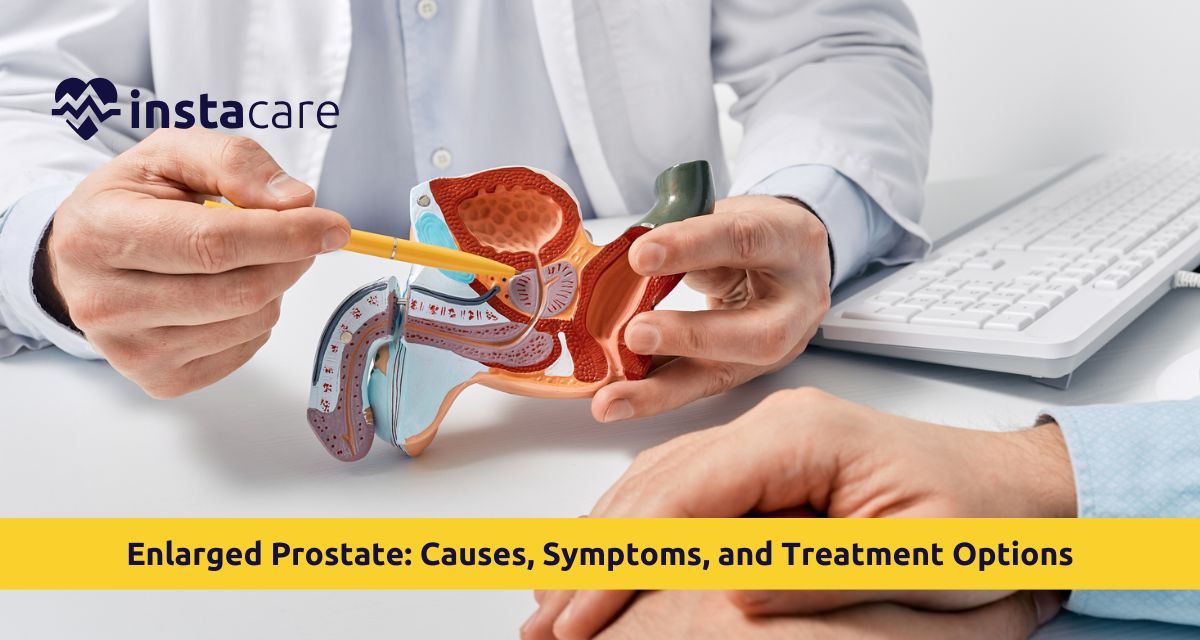
The prostate is about the size of a walnut, sitting below the bladder while lying ahead of the rectum. The urethra runs through it, a channel moving urine from bladder to outside. Its primary role involves making fluid so sperm can move within the reproductive system, demonstrating the prostate gland function.
In youth, the prostate remains roughly unchanged in dimension. Yet as time passes, alongside shifts in hormones, it may start growing gradually. Such growth might squeeze the urethra, disrupting normal urine movement. Knowing its function clarifies why minor size increases impact bladder control significantly.
Causes of Enlarged Prostate
The precise causes of an enlarged prostate aren't fully known, however, certain key elements play a role.
As men get older, their chance of prostate issues rises. After 40, signs point to higher likelihood, by 60, most are impacted. Shifts in hormones matter here; lower testosterone along with rising estrogen fuels the problem, showing clear prostate enlargement age factors.
Genetics might play a role in BPH onset. When family members have had prostate issues, chances rise slightly. Lack of physical activity or carrying extra pounds can contribute, similar to regularly eating fatty foods. Unhealthy daily routines appear connected as well, representing enlarged prostate risk factors. Diabetes or heart issues could raise the chance of BPH. Over time, these elements together result in a benign prostate growth.
Symptoms of Enlarged Prostate
The symptoms of an enlarged prostate tend to appear gradually, then get worse over time. Usually, these affect how you pee or manage urges, for example, needing to go frequently, especially at night. You might also feel like your bladder isn't fully empty afterward, or have trouble starting the flow.
- Frequent need to pee, often during nighttime
- Weak urine stream
- Difficulty starting urination
- Dribbling after you finish peeing
- It might seem your bladder still holds some urine after going to the bathroom
- A sudden need to pee came on fast
- Straining during urination
In severe instances, males might face trouble passing urine, repeated urinary issues, bladder stones, or weakened kidney function, which are prostate enlargement complications. Without care, such prostate troubles tend to worsen over time.
When to See a Doctor?
Some guys overlook mild bladder issues, thinking it's just age. But see a doctor when signs begin affecting your day-to-day routine. Seek help for ongoing trouble peeing, pee with red or pink tint, sharp discomfort, frequent infections, or suddenly being unable to go at all. Early checkups spot prostate issues sooner, so serious problems in the bladder or kidneys can be avoided. Testing regularly matters from age fifty onward, sooner when relatives had such health concerns.
Diagnosis of BPH
The steps to spot an enlarged prostate include various checks for prostate enlargement diagnosis. Typically, a physician starts by reviewing health records, focusing on urinary issues while also noting daily habits, family trends may come into play too. A digital rectal exam checks the prostate's size and feel through physical contact; at the same time, blood work like PSA test for prostate gives hints on overall gland function while helping exclude malignant changes.
Urine checks can reveal signs of infection or traces of blood. Meanwhile, ultrasound scans assess how large the prostate is and if the bladder empties properly. Occasionally, doctors use uroflowmetry to measure how fast urine flows. Together, these methods support spotting BPH without missing severe prostate issues.
Read More: 8 Natural Remedies for Enlarged Prostate BPH
Treatment Options for Enlarged Prostate
- The decision for enlarged prostate treatment relies on how bad symptoms are, the gland's size, patient age, or general condition. If problems are mild, adjusting daily habits, combined with ongoing check-ups, may be enough.
- With small issues, physicians may suggest enlarged prostate medication. These treatments ease muscle tension near the gland while boosting urine movement. Certain pills gradually reduce the size of the organ as well.
- If medicine doesn't ease symptoms, a doctor might suggest enlarged prostate surgery options. Should problems continue, TURP is often performed, extra tissue taken out through the urethra. Alternatives include laser methods or microwave treatment, using small access points to shrink the gland. Such options usually allow quicker healing than standard surgeries.
- Health advice helps people pick treatments suited to them, whether preventing sickness or handling ongoing issues, methods shown to work safely guide this approach.
Natural & Home Remedies
- Some men combine herbal methods with standard therapy for prostate issues. Although such options aren't a substitute for medicine, they may ease discomfort if applied properly, serving as home remedies for enlarged prostate.
- Staying active supports better bladder function while easing pressure on the prostate. Keeping a healthy weight may lower how strong symptoms feel. Cutting back on coffee or alcohol can lead to fewer night trips to the bathroom as well as reduced urgency.
- Diet matters a lot. Men facing prostate issues should skip spicy dishes, also steer clear of greasy treats, red meat, or too much milk-based food, which are foods to avoid in enlarged prostate. Fruit helps when included regularly, veggies add benefit, whereas whole grains give steady aid; zinc-packed items work well even if antioxidant-rich options contribute positively.
- Some people use herbal remedies such as saw palmetto, however, outcomes differ widely. It's wise to consult a healthcare provider beforehand, especially when beginning a new regimen.
Preventive Tips for Prostate Health
- Even if a larger prostate isn't fully avoidable, good routines each day may delay it, reducing risk at the same time. Moving regularly matters; likewise, proper nutrition or drinking enough water counts too, all contributing to prostate health tips.
- Less stress, stopping tobacco use, or handling ongoing health problems like high blood pressure or diabetes may support better prostate health. Regular doctor visits, along with prompt PSA checks, help catch concerns sooner.
- Frequent urination is significant. Rather than delaying, act quickly, this helps ensure full bladder release. Over a few weeks, small adjustments could lessen irritation tied to prostate health.
Conclusion
An enlarged prostate affects many older men globally. Although BPH doesn't endanger life, leaving it unchecked can disrupt everyday activities. Spotting signs early, learning triggers, or getting prompt check-ups helps preserve bladder function over time.
Many men handle enlarged prostate symptoms effectively using reliable treatments, whether through up-to-date surgical methods or mild natural approaches, all while keeping daily life on track. Remaining physically engaged, paying attention to physical signals, yet contacting a medical professional if issues arise may lower risks, supporting long-term health over time.
Faqs
Book an appointment with the best Urologist in Lahore, Karachi, Islamabad, and other major cities through InstaCare. You can also call 0317-1777509 to connect with a verified doctor. Use the button below to book now.