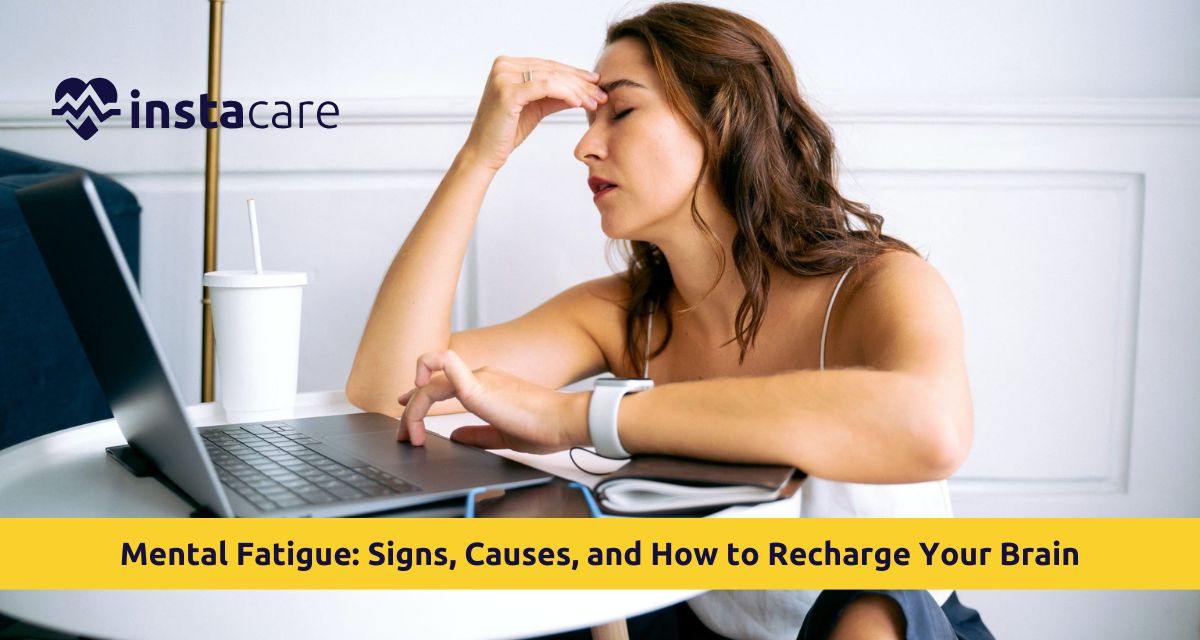
Mental exhaustion is not merely getting tired of working
long hours. It is a condition of sustained cognitive stress which influences
concentration, drive and emotional stability. Most of them describe it as brain
fog, lack of mental energy or inability to focus. In severe situations, it may
advance to mental exhaustion
or mental burnout.
Knowledge of the causes and the early symptoms of brain fatigue will enable you to take some action before it affects your productivity, relationships, and general well-being.
What Is Mental Fatigue?
Mental fatigue, or cognitive fatigue, is a state in which the brain becomes overworked due to prolonged stress, concentration, or emotional pressure. Sleep might not be enough to replenish mental energy, unlike physical fatigue, unless the underlying cause is addressed.
It can usually be progressive and can be associated with:
- Long work hours
- Emotional stress
- Lack of rest
- Information overload
- Ongoing anxiety
Mental stress and fatigue compounded together may lead to a significant decrease in mental clarity and decision-making capacity.
Signs and Symptoms of Mental Fatigue
Identifying the symptoms will help prevent more severe complications. Common signs include:
- Difficulty concentrating
- Forgetfulness
- Slower thinking
- Irritability
- Reduced motivation
- Simple chores making her feel overwhelmed.
- Low productivity
- Emotional sensitivity
Extreme cases can result into withdrawal syndrome where chronic mental exhaustion can result in lack of interest in hobbies.
Causes of Mental Fatigue
Mental exhaustion is rarely attributable to a single factor. It is generally the consequence of continuous tension.
Prolonged Stress
Stress and mental exhaustion go hand in hand. Constant stress in the work place, at school or at home may exceed the brain coping capacity.
Lack of Quality Sleep
Sleep disturbance interferes with the mind's restoration. Although you may be spending so much time sleeping, rest of a poor quality may be causing your brain to become fatigued.
Mental Burnout
Mental turnout occurs when the high demands are not accompanied by sufficient breaks. It is prevalent in stressful occupations and nursing.
Emotional Strain
Mental exhaustion may result from personal disputes, sorrow, or stress.
Submersible Mental Health Disorders
Mental fatigue and depression tend to be similar. Depression can be characterized by lack of energy, slowness of thought and constant fatigue.
Excessive Screen Time
Continuous digital stimulation keeps the brain from resting, making it cognitively fatigued.
Mental Fatigue vs Mental Burnout
Though they are close, they are not the same.
- Mental burnout is considered to be short-term, and it is relieved through rest and coping with stress.
- Mental burnout is worse and prolonged and may need modifications or professional assistance.
In case the symptoms should last several weeks and disrupt the normal functioning, this could be a reminder of chronic mental fatigue or burnout.
How Mental Fatigue Affects Daily Life
The fatigue of the brain may affect various spheres:
- Reduced work performance
- Poor decision-making
- Increased errors
- Strained relationships
- Emotional instability
Untreated mental fatigue can diminish general life satisfaction over time and expose one to anxiety or depression.
Depression and Mental Fatigue
Mental and depression are closely related. Although fatigue is not a diagnosis of depression, a combination of chronic cognitive fatigue and sadness, hopelessness, or lack of interest can be an indication of a more serious problem.
If symptoms do not improve with mental fatigue treatment strategies, it is important to consult a professional for an assessment.
Mental Fatigue Treatment and Recovery Strategies
Recovery is an immediate and a long term change.
Prioritize Rest and Sleep
- Goal of 7-9 hours of sleep.
- Ensure that you have a regular sleeping pattern.
- Limit the amount of time spending at the screen before going to bed.
Take Mental Breaks
Momentary pauses in between the day are beneficial in light of mental exhaustion. Techniques include:
- 5-10 minute pauses between tasks
- Short walks
- Deep breathing exercises
Manage Stress Effectively
Mental fatigue and stress are intertwined and, therefore, stress management is imperative. Helpful strategies
include:
- Meditation
- Journaling
- Time management planning
- Delegating responsibilities
- Physical Activity
Workouts enhance blood circulation to the brain and enhance mood. Brain fatigue can be reduced even during the light activities like stretching or walking.
Balanced Nutrition
Normal blood sugar levels promote mental acuity. Focus on:
- Whole grains
- Lean proteins
- Fruits and vegetables
- Adequate hydration
Limit Multitasking
Constant switching of tasks adds to cognitive fatigue. Better efficiency requires concentration on a single task at a time.
Seek Professional Help
In the case of chronic mental fatigue, a medical worker may assess problems of depression, anxiety, or thyroid diseases.
Avoiding Chronic Mental Fatigue
Lifestyle balance is required in long-term prevention.
- Set realistic goals
- Have a separation between work and personal life.
- Book out periods or vacation.
- Create positive social relationships.
Regular self-care will minimize the chances of experiencing mental burnout that is severe.
When to See a Doctor
Professional assistance is necessary when you have:
- Constant mental fatigue of weeks.
- Severe memory problems
- Ongoing low mood
- Sleep disturbances
- Loss of interest in everyday life.
The earlier the intervention, the better the recovery.
Conclusion
Mental exhaustion is often ignored but is widespread and affects concentration, effectiveness, and mood. Stress, sleep deprivation, or mental exhaustion are possible causes, but it is imperative to recognize the symptoms of cognitive fatigue in its early stages.
By addressing mental exhaustion and stress through adequate rest, managing stress, and maintaining a healthy lifestyle, you can regain mental clarity and avoid chronic mental exhaustion. In case of symptoms or aggravation, the consultation of a professional will guarantee a subsequent treatment of mental exhaustion and recovery in the long term.
Please book an appointment with a Psychologist in Lahore, Karachi, Islamabad, and other major cities of Pakistan through InstaCare, or call our helpline at 03171777509 to find a verified doctor for your condition.