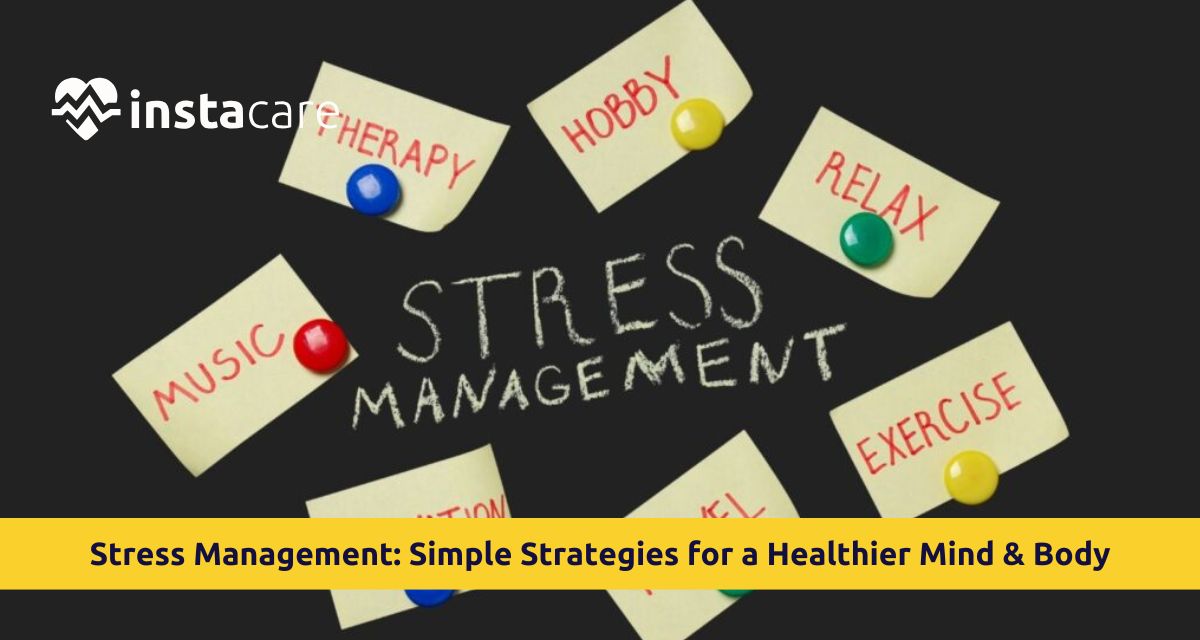
Stress is a natural state of life, and it may be unhealthy
when it increases and turns chronic due to the impact on mental and
physical well-being. The key point is to know the correct way to approach stress so as to find the balance and boost productivity, as well as protect the overall well-being.
Stress may be work or relationship stress, financial stress, or health stress, although with the knowledge of how to manage stress, you can always respond positively in the long run and build resilience.
What Is Stress Management?
Stress management is the techniques and processes used to manage stress. It involves being aware of stress triggers and using healthy ways to reduce them to lessen their effects.
Stress management requires:
- Emotional regulation
- Time management
- Relaxation techniques
- Healthy lifestyle habits
- Positive coping strategies
This is not to do away with stress, but to develop healthier coping strategies.
Common Causes of Stress
Stress may be caused by numerous factors and stimuli differ in individuals.
Workplace Pressure
The stress management problems that are caused by deadlines, heavy workload, job insecurity, and interpersonal conflicts are some of the issues that make workplace stress management.
Financial Concerns
Chronic stress usually arises as a result of debts, unpredictable costs or unstable income.
Relationship Issues
Disputes with relatives, spouses, or friends may make one to be emotionally strained.
Health Problems
Health problems or chronic disease exacerbates anxiety and tension.
Major Life Changes
Shifting, getting married, divorce, or loss of a loved one are some of the events that can severely increase the level of stress.
The initial step to managing stress is to know what causes you to become stressed.
Effects of Stress on the Body & Mind
Chronic stress does not only influence mood. It affects the physical health, mental performance, and emotional stability.
Physical Effects
- Headaches
- Muscle tension
- Digestive problems
- Fatigue
- Increased heart rate
- Weakened immune system
Mental & Emotional Effects
- Anxiety
- Irritability
- Difficulty concentrating
- Sleep disturbances
- Mood swings
- Decreased motivation
Unmanaged, long-term stress can be a risk factor to high blood pressure, heart disease, depression, and burnout.
Practical Stress Management Techniques
The following are some useful stress-management tips to enhance mental and physical well-being.
Deep Breathing Exercises
Gradual, deep breathing helps soothe the nervous system and reduce the immediate response to stress. Try:
- Inhale for 4 seconds
- Hold for 4 seconds
- Exhale for 6 seconds
- Repeat for several minutes.
Regular Physical Activity
One of the most effective stress reduction methods is exercise. It causes endorphins, elevates mood and decreases muscle tension. Options include:
- Walking
- Yoga
- Swimming
- Strength training
- Even 20-30 minutes a day will help.
Time Management
The poor organisation causes stress. The rules to stress management success are:
- Prioritizing tasks
- Breaking up of large project into small steps.
- Setting realistic deadlines.
- Avoiding multitasking
Mindfulness & Meditation
Mindfulness will assist you in being focused on what is happening rather than overthinking what is ahead. Regular meditation improves emotional regulation and mindfulness.
Healthy Sleep Habits
Sleep is also important for increasing emotional strength. Consistent with sleeping time in a target of 7-9 hours.
Social Support
Sharing of the emotional burden among close friends or family members will reduce the burden and increase coping skills.
Limiting Caffeine and Screen Time
Excessive caffeine and screen time may make a person more anxious and sleep-deprived.
Dealing with stress at Workplaces
In order to deal with stress at work:
- Establish clear work/personal life boundaries.
- Have a few day breaks.
- Talk freely with the managers.
- Delegation of practice where practical.
Good workplace habits are associated with less burnout.
When to Seek Professional Help?
Although lifestyle change can help everyone deal with stress, professional help might be required in case you feel:
- Persistent anxiety
- Panic attacks
- Depression symptoms
- Chronic insomnia
- Problem with everyday life.
Counselling, cognitive behavioural therapy, or some other methods depending on your needs may be suggested by a healthcare provider or therapist. Avoiding assistance is weakness and not strength.
Conclusion
Stress is not avoidable but it does not necessarily determine your life. You can maintain a healthy body and mind by engaging in effective stress management, maintaining a healthy lifestyle, and acquiring useful techniques.
Learning to manage stress, whether through exercise, mindfulness, or workplace stress management, will help you become resilient and maintain balance. As soon as the stress is too great, one should find the assistance of a professional to ensure that he gets enough and immediate care. The healthier one is, the healthier the body, and learning to cope with stress is a major step towards overall health.
Please book an appointment with a Psychologist in Lahore, Karachi, Islamabad, and other major cities of Pakistan through InstaCare, or call our helpline at 03171777509 to find a verified doctor for your condition.