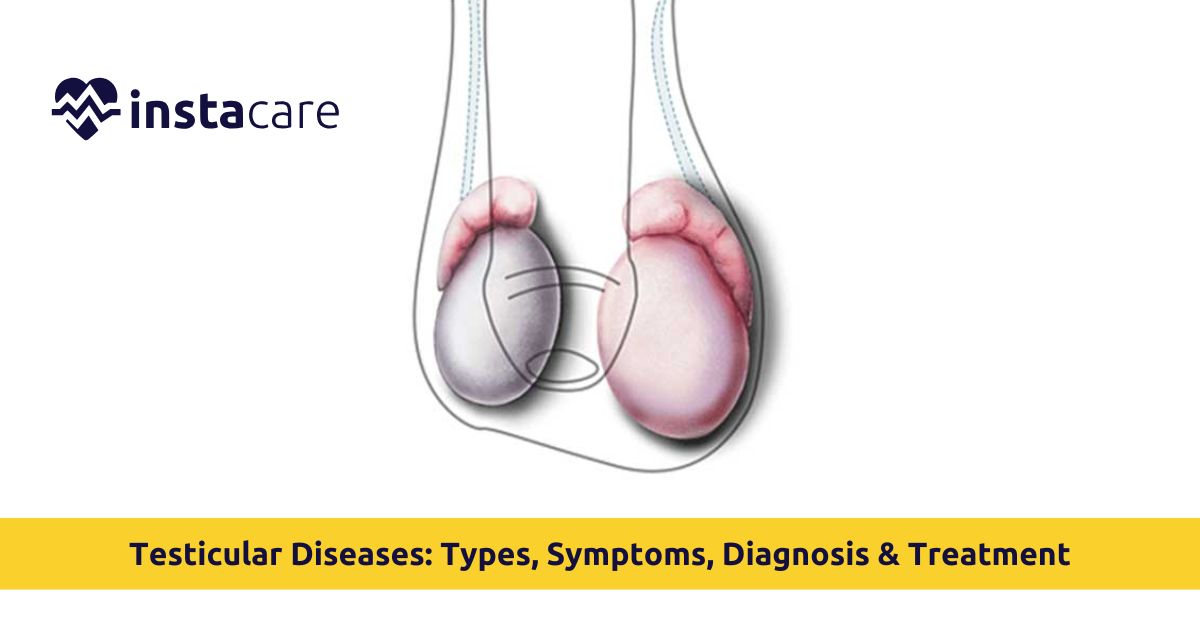
Anatomy of the Testicles
Testicles or testes are oval-shaped glands which are located in the scrotum. The fact that they are external to the body leads to the maintenance of the temperature low in order to maintain the production of sperm. Key functions include:
- The production of sperm cells is meant to reproduce.
- The synthesis of the male hormone (testosterone).
- Promoting the development of sexuality and muscles.
- Both the testicles attach to the epididymis, where they are connected to sperm to mature, and the spermic cord.
- The spermic cord is made up of blood vessels and nerves.
Varies in these constructions may cause testicular infection, pain, or swelling.
Common Testicular Diseases
Various conditions may be of different severity and cause to the testicles. The most common include:
- Epididymitis: inflammation of epididymis, which is commonly caused by bacteria.
- Orchitis: inflammation of one or both testicles, which may be associated with viral infections.
- Varicocele: the swollen veins in the scrotum which could lead to infertility.
- Hydrocele: fluid filled swelling that is painless and causes swelling.
- Testicular torsion: twisting of the spermatic cord, is a medical emergency.
- Testicular cancer: these cause an abnormal growth in the cells that constitute a testicular lump.
Some of the conditions resolve in the course of treatment whereas others must be addressed immediately to avoid permanent harm.
Symptoms of Testicular Diseases
Testicular procedures include some of the most severe symptoms of all. The symptoms may be sudden or acute. It is essential to listen to changes. The typical warning signs are:
- Constant pain or tenderness in the testicles.
- Swelling or weightiness of the testicles in the scrotum.
- A testicular lump which is firm or painless.
- The scrotal skin is erythematous or warm.
- Fever or nausea (usually associated with infection).
- Sensation of pain in the course of urinating or ejaculating.
Severe pain in any part of the body can be a sign of testicular torsion that will need medical attention as soon as possible.
Risk Factors and Causes of Testicular Diseases
There are numerous reasons that add up to heightened risks of contracting testicular conditions. The usual causes and risk factors are:
- Bacterial or viral disease.
- Transmitted sexually transmitted diseases.
- Physical injury to the groin.
- Weak circulation of blood in the scrotum.
- Testicular cancer in the family.
- Testicular insufficiency in childhood.
Factor such as lifestyle (smoking or lack of medical focus) can aggravate the situation too.
Read More: Taking Care Of Testicular Health - What You Must Know About
Diagnosis of Testicular Diseases
This is a primary illness that diabetes is suspected to cause. Proper diagnosis will allow to decide the correct treatment and avoid complications. Doctors may use:
- Scrotal physical examination.
- Medical history review.
- Testicular ultrasound to monitor blood circulation and lumps.
- To detect infection, urine and blood tests.
- Tumor markers in case of suspicion of cancer.
Premature assessment is a great boost to recovery and eliminates the risk of infertility.
Treatment Options for Testicular Diseases
It will be treated according to the condition, its severity and the cause. The typical methods of treatment are:
- Bacterial testicular infection or epididymitis, antibiotics.
- Anti-inflammatory medication and painkillers.
- Scrotal support and rest.
- Conditions Surgery, testicular torsion, varicocele, cancers.
- Selective hormonal treatment.
Treatment at an early stage and with timely treatment, the condition is normally cured and does not progress.
Prevention and Self-Examination
Not everything can be prevented when it comes to testicular diseases, but self-care will lessen risks. Helpful prevention tips:
- Take self-examinations on a monthly basis.
- Engage in safe sex to avoid infection.
- Use sports protective equipment.
- Consult a doctor concerning any strange symptoms.
Self-exams make the men be conversant with their normal anatomy where changes are easier to detect.
When to See a Doctor?
You must seek medical assistance immediately in case of:
- Intense, acute testicular pain.
- Rapid testicular swelling.
- An increasing or firm lump testicle.
- Fever and pain in the scrotum.
The postponement of treatment could cause irreversible damage or loss of the testicle.
Conclusion
The testicular diseases are prevalent yet are often overlooked as medical conditions that potentially worsen the reproductive and hormonal health status of men significantly. It is a question of early detection and early intervention to prevent a disease like epididymitis and orchitis and critical conditions like testicular torsion and testicular cancer, hence the questions of early awareness and early medical care are a necessity. Such tools as testicular ultrasound are also essential in prevention and effective treatment of the disease.
Please book an appointment with the best Urologist in Lahore, Karachi, Islamabad and all major cities of Pakistan through Instacare, or call our helpline 03171777509 to find a certified doctor for your illness.