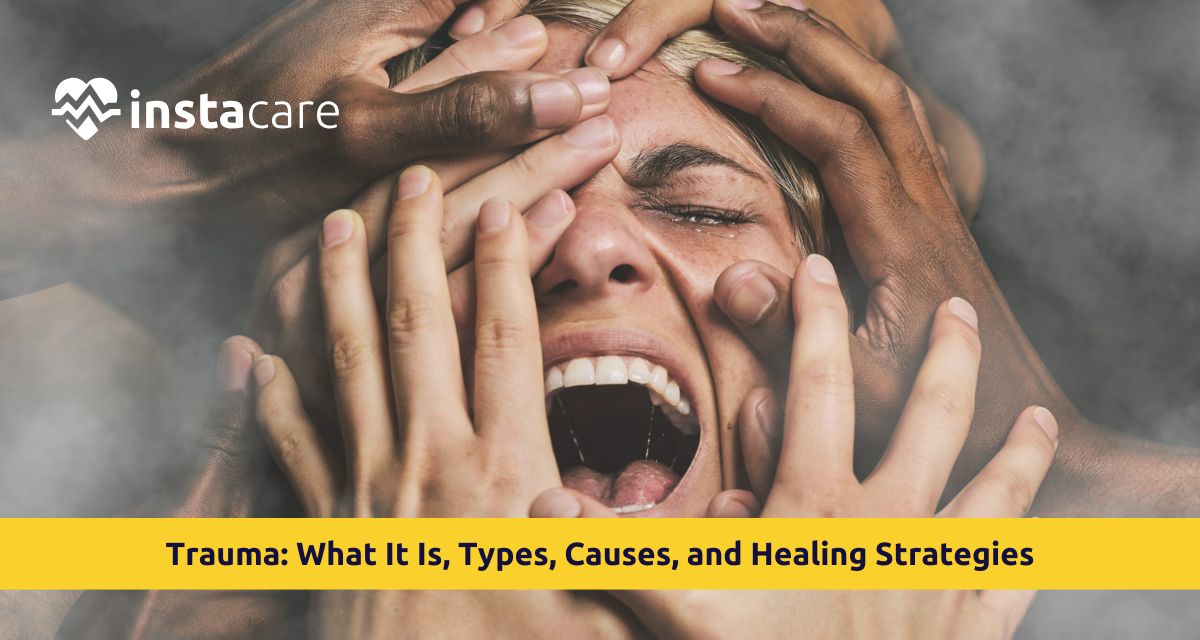
Trauma is one of the most disheartening experiences that may leave a profound impact on the mental, emotional, and physical health of an individual. Although people tend to think of trauma as a remarkable event, it has a very individual effect- what may become overwhelming to a person can have no impact on the other. Trauma knowledge is necessary to identify trauma symptoms, decrease stigma, and promote recovery. Psychological trauma has become an important concern in the field of the health of the population. Trauma causes may be one event or due to recurrent exposure to stress, which can affect the normal life, relationships and even the safety of a person.
What Is Trauma?
Trauma is a psychological and physiological reaction of a person to some event or set of events that cannot be handled. These experiences may pose a threat to life and safety or even emotional stability and they have permanent effects in the mind and body. Trauma may involve:
- Physical injuries, e.g. injury or violence.
- Loss, neglect, or abuse as a result of emotional trauma.
- Psychological trauma: this affects thoughts, feelings and actions.
It is not true that every traumatic event results in prolonged problems, however, unresolved traumas may progress into a trauma disorder in case of prolonged symptoms.
Types of Trauma
Trauma may be categorized into various types according to duration, cause, and stage of life.
- Acute Trauma: Acute trauma is caused by one painful experience, accident, assault, natural calamity.
- Chronic Trauma: Chronic trauma develops as a result of repeated or prolonged exposure to distressing circumstances such as domestic violence, repeated abuse or protracted illness.
- Childhood Trauma: Childhood trauma occurs when an individual is exposed to early years of development and may involve neglect, abuse, or being exposed to an unsafe environment. Early trauma can be long lasting in emotional regulation and relationships.
- Complex Trauma: Complex trauma (C-PTSD) is a result of interpersonal trauma, which may start during childhood. It has a deeper impact on identity, emotional control and interpersonal functioning compared to single-event trauma.
Common Causes of Trauma
The causes of trauma are numerous and each individual and culture has a wide range of them. Common causes include:
- Physical or sexual abuse
- Leaving by feeling neglected.
- Accidents or injuries that are serious.
- War, war or displacement.
- Natural disasters
- Sudden loss of a loved one
- Medical trauma or surgical operations.
Long-term trauma responses can be caused by both physical trauma and emotional events.
Signs and Symptoms of Trauma
Trauma symptoms may be instantaneous or may manifest after sometime after an event or even many years after. They tend to influence affective, cognitive and behavioral as well as physical functioning. Common signs include:
- Flashbacks or intrusion memory.
- Sensory numbness or insensitization.
- Hypervigilance and hyper startle.
- Dragging insomnia and nightmares.
- Difficulty concentrating
- Avoidance of reminders
In extreme situations, trauma can evolve into Post-Traumatic Stress Disorder (PTSD)., which is a condition that has to be treated by a professional.
How Trauma Affects the Brain and Body?
Trauma changes the process of the brain to process fear, memory and stress. The brain survival system is overworked and the body is put in a permanent state of alert. Key effects include:
- Excessive stimulation of the amygdala (fear center).
- Inhibited operation of prefrontal cortex (decision-making)
- Impaired processing of memory in the hippocampus.
- Reduced dopamine levels in the brain and other stress hormones such as cortisol.
The powerful connection between the mind and the body includes the possibility that physically, traumas can cause headaches, digestive problems, chronic pain, fatigue, and a weak immune system.
Trauma and Mental Health Conditions
The risk of developing mental health disorders is great in case of unresolved trauma. Trauma is commonly linked to:
- PTSD (Post-Traumatic Stress Disorder)
- Anxiety disorders
- Depression
- Dissociative disorders
- Substance use disorders
Patients with chronic trauma or childhood trauma are the most susceptible as the first experiences influence emotional and neurological growth.
Read More: All you must know about intrauterine insemination
Coping With Trauma
Recovery is a slow and long process that entails restoration of a feeling of security and control. The beneficial coping mechanisms are:
- Learning grounding and mindfulness.
- Setting up routines of the day.
- Note-taking of emotions and thoughts.
- Physical exercise.
- Seeking social support
Coping strategies are useful in the management of symptoms, although they do not substitute professional trauma treatment in cases where the trauma is highly involved in the day-to-day life.
Trauma Treatment and Healing Options
Treatment of trauma involves ensuring that survivors of traumatic experiences learn to safely process and re-establish control over their emotions. The usual methods of treatment of trauma are:
- Cognitive Behavioral Therapy (CBT).
- Trauma-focused CBT
- Eye Movement Desensitizing and Reprocessing (EMDR)
- Bodily-based trauma somatic therapies.
- Group counselling and peer counselling.
Medication can also be given in other instances to help deal with anxiety, depression or sleep disturbances as a part of a holistic trauma recovery.
Living and Growing Beyond Trauma
The process of healing trauma does not imply forgetting the experience; it simply means learning to live without this experience controlling you. A great number of people undergo post-traumatic development, gaining strength, understanding, and stronger meaning. Post trauma growth can include:
- Restoring confidence and trust.
- Empowering emotional intelligence.
- Setting healthy boundaries
- Developing self-compassion
Through time, encouragement, and good care, the individuals will be able to get past their survival to healing and self-development.
Conclusion
Trauma is a complicated and personal matter, which may influence all spheres of life. Its consequences are valid regardless of whether it is a result of acute trauma, chronic trauma, or childhood trauma. Knowledge of trauma, awareness of the symptoms, and availability of effective trauma treatment are all important steps on the road to recovery. It is not too late and through the appropriate support, people can recover and get a sense of security, identity and hope about the future.
Please book an appointment with the best Psychiatrist in Lahore, Karachi, Islamabad and all major cities of Pakistan through Instacare, or call our helpline 03171777509 to find a certified doctor for your illness.