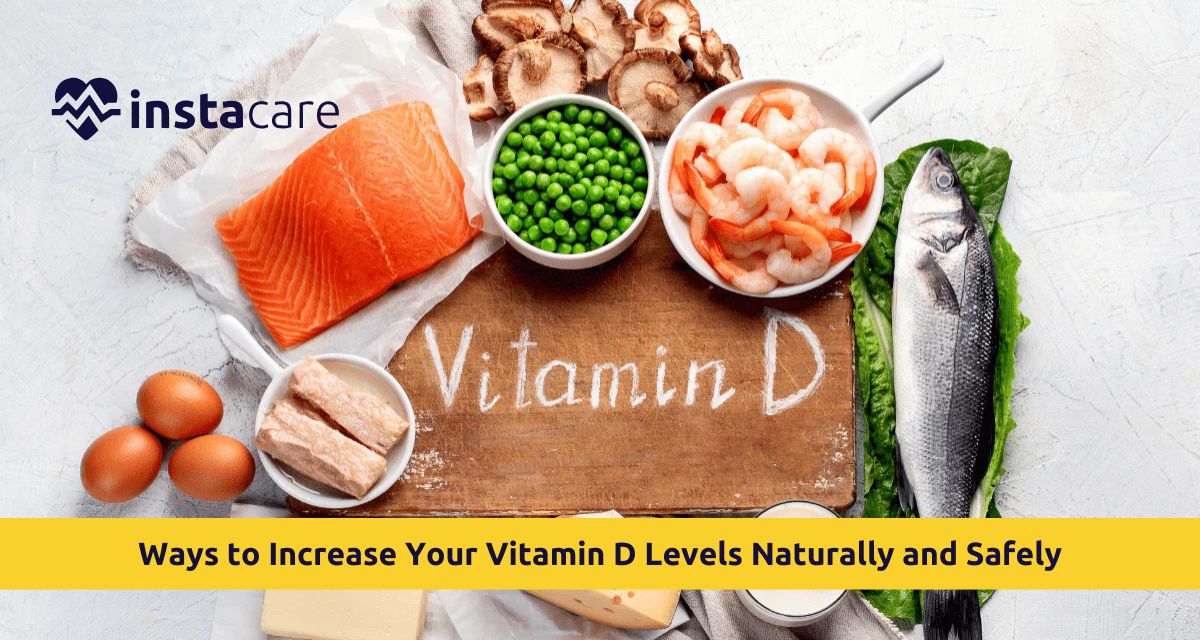
Vitamin D is a vital vitamin that is very imperative in ensuring that health is kept at par. It helps keep the bones strong, increase immunity and regulate mood and muscle activity. Although it is important, low vitamin D levels experienced by many people all over the world are a problem because of the lack of exposure to the sun, gaps in the diet, and other lifestyle factors. This article establishes the safe and reasonable ways of enhancing the levels of vitamin D naturally and learning when medical help is required.
What Is Vitamin D?
Vitamin D is a vitamin fat soluble and is a hormone of the body. As opposed to most of the nutrients, it can be manufactured when your skin is within the sun (Lieberman 27). It aids in absorption of calcium and phosphorus that are needed in strengthening the body. In addition to the functions of bones, vitamin D aids the immune system, nerve conduction, and inflammation regulation.
The Vitamin D benefits for health are preventing fractures, promoting heart health, and helping to boost an emotional state.
Signs and Causes of Vitamin D Deficiency
Deficiency of vitamin D is a slow developing condition that can take months to be noticed. Common signs include:
- Fatigue and low energy
- Bone or back pain
- Muscle weakness
- Frequent infections
- Mood changes
These are the Symptoms of low vitamin D that are capable of influencing individuals of any age.
Primary Vitamin D deficiency causes arises:
- Limited sun exposure
- Poor dietary intake
- Absorption problems
- Aging skin
- Darker skin tone
Knowledge of the causes of vitamin D deficiency will assist in curbing the issue in the initial stages and successfully.
Vitamin D-Rich Foods
Diet cannot be taken as a substitute of daily needs on its own, yet it is a good supplement. Best sources of vitamin D can be found in:
- Fatty fish e.g. salmon, sardines, mackerel.
- Egg yolks
- Enriched milk, yogurts, and cereals.
- Cod liver oil
- The mushrooms in open air.
Foods rich in vitamin D should be taken regularly to ensure that the level is held constant, particularly in cases where the sun is scarce.
Vitamin D Supplements
Supplements may be useful when the sources in nature are not enough. Physicians usually prescribe supplements to patients with known deficiency or to those who are at risk.
Knowing How much vitamin D do you need daily is important. The effective Vitamin D supplements dosage depends on the age, health conditions and blood levels. Too much of it is not recommended because very high doses of it can lead to side effects such as nausea or an imbalance of calcium.
Supplementation is generally employed in the management of vitamin D deficiency, particularly in chronic and/or absorption deficits.
Read More: Vitamin D2 vs D3, What's the Difference?
Improving Absorption of Vitamin D
There is no greater importance to the matter of absorption efficiency than to the matter of intake. The Vitamin D absorption tips include:
- Eat supplements with meals that have healthy fats.
- Maintain gut health
- Excessive alcohol should be avoided.
- Balance magnesium intake
- Follow consistent timing
Fat-soluble vitamins have to be consumed along with dietary fats in order to increase the efficiency.
Lifestyle Changes to Support Vitamin D Levels
The status of vitamin D can be greatly enhanced by simple everyday practices. Key lifestyle strategies:
- Go outside on a regular basis.
- Maintain a balanced diet
- Exercise moderately
- Manage stress levels
- Maintain a healthy weight
Sunlight exposure for vitamin D typically takes between 10-30 minutes multiple times a week, basing on the skin colour and the location. These are Natural ways to boost vitamin D and they help to avoid dependence on supplements, as well as sustain balance in the long-term.
Vitamin D for Different Age Groups
The requirements of vitamin D fluctuate.
Children and teenagers
Sufficient vitamin D facilitates growth, bone formation, and immunity.
Adults
Vitamin D for bone health aids in its maintenance and muscle strength and energy in the long term.
Older adults
The absorption in old age decreases with aging and hence vitamin D is vital in preventing falls and vitamin D in the body.
The amount of vitamin D you require to take on a daily basis is dependent on your age, way of living, and your own health.
Myths and Facts About Vitamin D
- Myth: Vitamin D is obtained in adequate amounts through food.
- Fact: Diet works, although supplements and sunlight are frequently required.
- Myth: The more vitamin D, the better.
- Truth: Overconsumption is dangerous.
- Myth: Vitamin D exists in bones only.
- Fact: It is also involved in Vitamin D for immunity.
Education is useful in guiding individuals into making informed and safe choices regarding supplementation and sun exposure.
When to Get Tested and See a Doctor?
The best method of determining the status of vitamin D is through blood testing. Consider testing if you:
- Sustain fatigue or pain in bones.
- Have digestive disorders
- Are pregnant or elderly
- Spend little time outdoors
- Reside in places having prolonged winters.
It is especially important to watch the level of vitamin D in the winter months because of the low level of exposure to the sun.
Health care advice provides safe Vitamin D deficiency treatment and prevents complications.
Conclusion
To ensure long-term health, it is necessary to maintain healthy vitamin D levels. Through proper sun exposure, balanced diets, good supplementation and supportive lifestyle habits, majority of individuals are able to reach optimal levels naturally. The important ones are awareness, testing, and consistency. Vitamin D is part of prevention as it enhances immunity, bone strength, or both as well as improves overall vitality.
Please book an appointment with the best Nutritionist in Lahore, Karachi, Islamabad and all major cities of Pakistan through Instacare, or call our helpline 03171777509 to find a certified doctor for your illness.