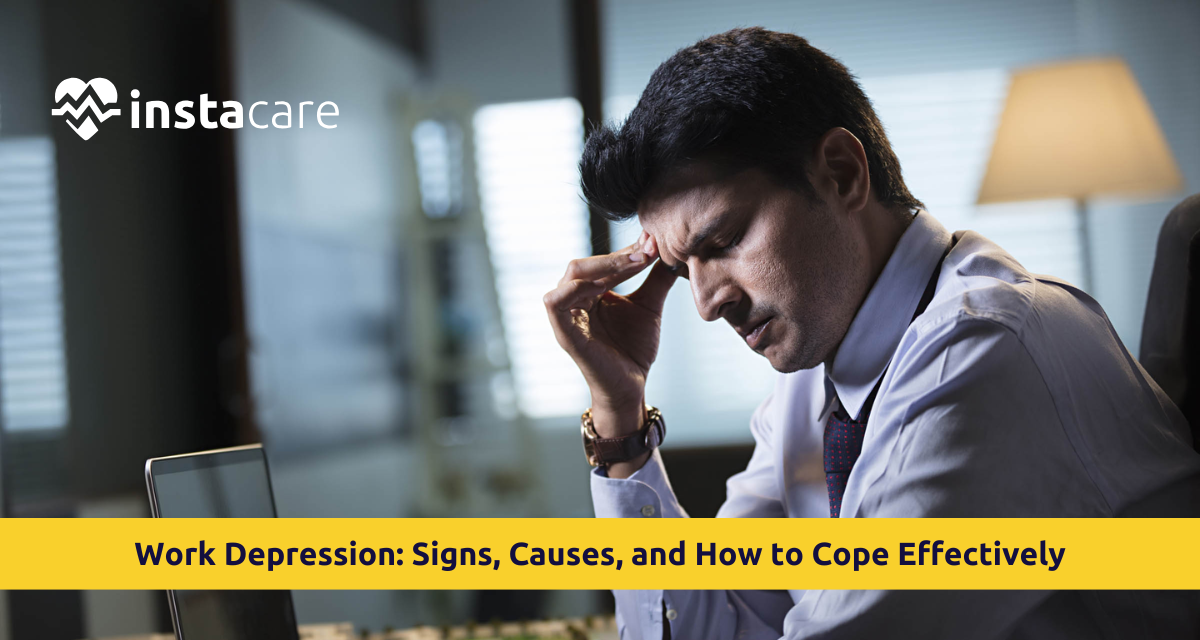
What Is Work Depression?
Job-related depression or work depression is described as the kind of depression symptoms that are precipitated by the conditions at the workplace or the conditions that aggravate the symptoms. It can arise out of continuous stress, absence of support, too much work or being undermined at work. The depression at work, in contrast to the temporary work stress:
- Persists over time
- Impairs emotional, mental and physical well-being.
- Losses interest and activity at work.
- Affects performance and functioning.
It is directly associated with mental health at workplace and has to be addressed as any other depressive condition.
Common Causes Of Work Depression
And there is seldom one cause. Rather, various forces tend to be behind it. Causes at work place are:
- Overworking and extended working hours.
- Work pressure, impractical time limits, or urgency.
- No appreciation/reward of hard work.
- Ineffective leadership or dysfunctional leadership.
- Out of job or dread of layoffs.
- Minimal opportunities of growth.
Personal and emotional reasons:
- Work-life imbalance
- Perfectionism or phobia of failure.
- Current work anxiety and depression.
- Lack of control or autonomy
Emotional exhaustion and depression can set in when such pressures are built up.
Signs And Symptoms Of Work Depression
The attainment of natural effects of workplace depression can be averted at an early stage through workplace depression symptoms.
Emotional symptoms:
- Prolonged depression or despair.
- Exasperation or anger in the workplace.
- Loss of pleasure in previously liked activities.
- Feeling emotionally numb
Cognitive symptoms:
- Inability to focus or decide.
- Poor thoughts regarding work performance.
- The worry is permanent regarding the work duties.
Physical symptoms:
- Fatigue and low energy
- Headaches or muscle tension
- Sleep disturbances
- Changes in appetite
Behavioral symptoms:
- Avoiding job-related work, meetings.
- Increased absenteeism
- Reduction in performance and motivation.
Such symptoms have direct impact on productivity and depression causing a cycle which deteriorates in the long run.
Read More: 10 Best Foods for Depression to Beat
How Work Depression Affects Daily Life?
The fact of work depression is not isolated in the workplace. It tends to over spill into other spheres of life.
Common impacts include:
- Disrupted relationship with relatives and friends.
- Low-self esteem and confidence.
- Sleep deprivation and ill health.
- Heightened dependence on caffeine, nicotine or alcohol.
- Depression of interests and recreational activities.
In the long run, depression that is not treated in the workplace may develop into major depression disorder.
Who Is Most At Risk?
Any person can suffer work depression, although some groups are more susceptible.
Others at higher risk will include:
- Workers of high-stress sectors.
- Individuals who have to work long and have minimal rest.
- Employees who have low job control.
- Patients who had a previous episode of depression or anxiety.
- Workplace-unsupported employees.
Knowledge of risk factors is used in preventive and early intervention.
Diagnosis Of Work Depression
Work depression cannot be tested specifically, instead it is diagnosed through professional analysis.
Diagnosis may include:
- Mental health questionnaire screening tests.
- Symptom assessment on duration and severity.
- Evaluation of stress factors at the workplace.
- Personal and medical history examination.
The mental health professional is able to figure out whether these symptoms are situational or form part of a larger depression disorder.
Coping Strategies For Work Depression
Healthy coping skills are significant in healing.
Some of the practical coping strategies are:
- Establishing achievable limits on working hours.
- Having frequent breaks during the working hours.
- Engaging in stress management strategies e.g. deep breathing.
- Setting priorities to minimize the amount of work.
- After work physical activity.
- Keeping the schedule of sleep regular.
Emotional coping tools:
- Openly conversing with close co-workers or bosses.
- Writing down thoughts and feelings.
- Meditating or engaging in mindfulness.
- Social support that is not work-related.
It is learning about coping with depression at work, which will rebuild a feeling of control.
Treatment Options For Work Depression
In some cases, professional treatment might be required in situations where the coping strategies fail.
Some of these common treatment methods are:
- Cognitive Behavior Therapy (CBT)
- Stress-focused counseling
- Drug use when prescribed by a specialist.
- Workplace modifications or accommodation.
The treatment is intended to deal with emotional symptoms as well as workplace stressors that have caused depression.
Tips For Employers To Support Mental Health
Companies are very crucial in ensuring employee mental health. Employers can help by:
- Eliminating stigma surrounding mental health.
- Promoting work-life balance.
- Avoiding mental health barriers.
- Provision of flexible working schedules.
- Training managers to identify warning signs.
- The development of a inclusive culture.
Positive working environments enhance the welfare and the productivity of the employee in the long run.
Conclusion
Work depression is a severe manageable mental disorder. The ability to identify the symptoms, learn the reasons, and make preventive measures may enhance the results greatly. Regardless of individual coping mechanisms, professional interventions, or organizational support of their people, depression in the workplace is of benefit to both the individual and the organization. Mental health at the workplace is not a perk; it should be considered a key to a sustainable performance and overall well-being.
Please book an appointment with the best Psychologist in Lahore, Karachi, Islamabad, and all major cities of Pakistan through InstaCare, or call our helpline at 03171777509 to find a verified doctor for your disease.