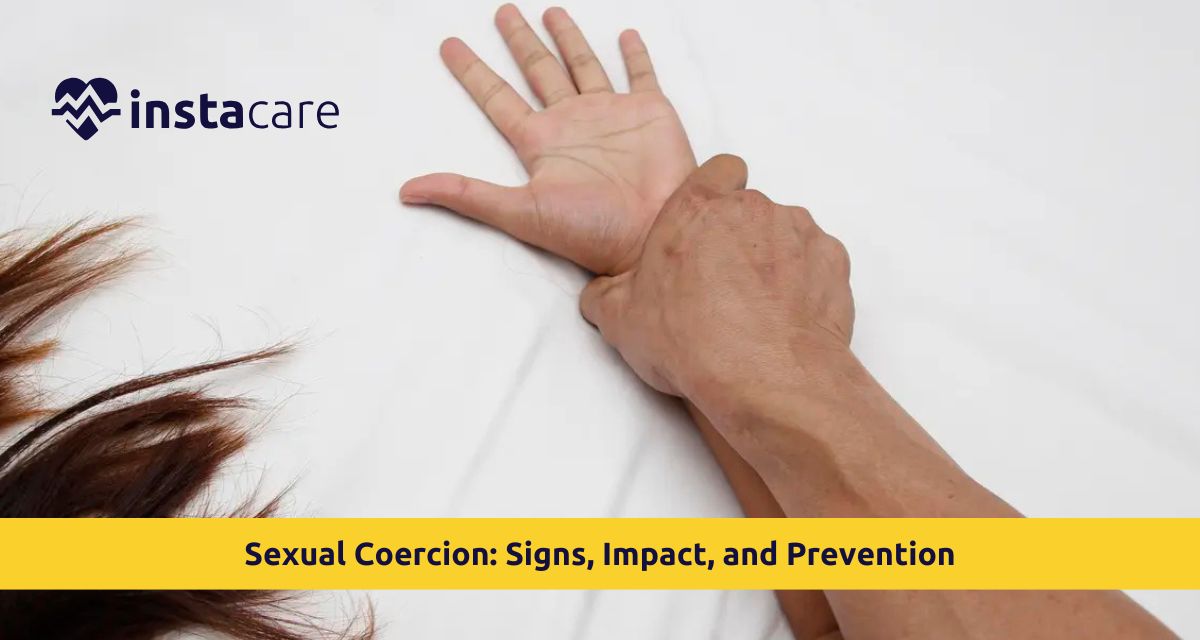
Sexual coercion matters, a problem frequently misjudged, impacting individuals across gender, age, and culture. Pressure, manipulation, or force pushes someone into sex without clear agreement. While distinct from physical violence, it may appear indirect, masked through emotions, blame, intimidation, or repeated urging.
Some people find it hard to see abuse since pressure isn't always physical. Yet, mental harm can hurt just the same. Knowing the difference between consent vs coercion, spotting red flags, or learning self-protection helps build healthier connections and stronger groups through understanding types of sexual coercion.
What is Sexual Coercion?
Sexual coercion means someone is pushed, through threats, lies, or force, to take part in sex they don't agree to. While real consent is clear, willing, and can be taken back anytime, coerced situations often involve control, intimidation, or sexual manipulation tactics instead.
This can include:
- Having someone push you again and again despite a clear refusal
- Felt pressured to have sex when unsure
- Under threat of injury, shame, or losing a connection
- Pushed by feelings to give in
Coercive sexual behavior acts fall along a range, seen in relationships, marriages, jobs, sometimes between pals or relatives. Keep in mind: pressured intimacy counts as harm, no hitting needed.
Signs and Forms of Sexual Coercion
Various forms of sexual pressure exist; these frequently escape attention since they rely on control instead of violence. Spotting such behaviors quickly may reduce lasting damage.
1. Sexual Pressure in Relationships
Sexual pressure in relationships happens if one person keeps asking for sex even when the other feels uncomfortable, hesitant, or says no. Situations might look like:
- "If you loved me, you would do this."
- "Everyone else is doing it."
- "You owe me."
2. Sexual Manipulation
Sexual manipulation involves emotional strategies like making someone feel guilty, acting upset, warning they'll end things or giving love only when sex is agreed to.
3. Coercive Control in Relationships
Coercive control in relationships includes managing actions like:
- Monitoring your movements
- Keeping you away from your mates
- Making you rely on others for money or feelings
- Playing on fears to shape choices
This type of oversight usually results in crossed intimate lines eventually, through gradual shifts. Over time, unchecked authority tends to blur personal limits, creating risk without clear consent.
4. Intoxication-Based Coercion
Persuading or pressuring a person to drink alcohol or use drugs, so they can't clearly agree, counts as coercion too.
5. Authority-Based Coercion
Abusing positions like teacher over student, manager above worker, or caretaker toward someone relying on them to push for sexual acts.
6. Reproductive Coercion
Coercing someone into pregnancy, tampering with birth control methods, or undermining contraceptive use without permission.
Recognizing how sexual assault vs coercion differs matters. Although assault typically includes physical force, coercion relies on emotional, social, or mental pressure, yet each disrespects clear agreement.
Impact of Sexual Coercion
The effects of sexual coercion may last a long time, especially when no force was used. Some people suffer quietly because they feel uncertain, embarrassed, or worried others won't trust them.
1. Psychological Impact of Coercion
The psychological impact of coercion on victims may include:
- Anxiety or panic attacks
- Depression
- Low self-esteem
- Post-traumatic stress disorder (PTSD)
- Emotional numbness
- Difficulty trusting others
The emotional toll of pressure may harm someone's well-being, confidence, or how they connect with others.
2. Impact on Relationships
Those who survive might face difficulties like: however, issues can include:
- Fear of intimacy
- Difficulty setting boundaries
- Repeated exposure to abusive relationships
- Emotional dependency
3. Physical Health Consequences
Forced sexual activity might result in:
- Sexually transmitted infections (STIs)
- Unplanned pregnancies
- Stress-related physical illnesses
4. Social and Professional Impact
Some people pull away from others after trauma, which affects school or job results while also making it harder to keep close relationships because of ongoing emotional strain.
Legal and Social Perspectives
Laws on sexual coercion differ by country; yet, more people now see that agreement should come without force or intimidation. Where threats exist, alongside control tactics or unequal authority, it's often treated as abuse under regional rules.
Socially, misconceptions still exist:
- Some think pressure's typical when people are together
- Others argue that survivors didn't fight back forcefully enough
- Some see emotional tricks as no big deal
Still, today's legal and mental health views plainly treat pressure as sexual harm, whether or not violence occurs.
Training about sexual boundary violations and clear agreement is growing in classrooms, offices, or public messaging, to challenge deep-rooted myths. Awareness efforts aim to shift attitudes by focusing on respect, using real-life examples instead of abstract rules. Programs adapt tone based on audience age or setting, avoiding one-size-fits-all methods. Dialogue replaces lectures, encouraging questions without judgment. Impact improves when messages feel relatable, not preachy.
How to Respond and Protect Yourself?
Knowing ways to stop sexual pressure helps people defend themselves, also aids those facing harm. Understanding preventing sexual coercion builds personal safety while assisting victims indirectly through awareness instead. Learning how to seek help for coercion is essential.
1. Know Your Rights
You are entitled to:
- Say no whenever you want
- Change your mind
- Establish limits, no need to feel bad about it
- Count on fairness wherever you relate
Permission needs to be deliberate, obvious, otherwise voluntary, never forced.
2. Trust Your Instincts
If a situation seems off, unclear, or unnatural, pay close attention, your reaction matters.
3. Set Clear Boundaries
Set your limits clearly. No need to justify them, your reasons stands on their own.
4. Seek Support Immediately
If you're feeling stuck or at risk, contact:
- Close relatives or those you rely on
- Mental health professionals
- Support hotlines
- Women's shelters, also known as crisis centers
Finding support when pressured starts your path to feeling safe, also begins recovery slowly through how to seek help for coercion resources.
5. Document What's Happening
If you're feeling unsafe, save things like texts, call histories, or incident dates, these might matter later should legal steps be needed. While documentation isn't always required, having proof could support your case down the line.
6. Leave Unsafe Situations When Possible
If you're facing urgent risk, focus on staying safe, contact emergency responders or nearby support groups right away.
Read More: What is Sexual and Reproductive Health?
Why Consent Matters
Knowing the difference between agreement and pressure matters in any relationship. Real permission includes:
- It's offered without cost
- It is informed
- It is enthusiastic
- Withdrawal is possible whenever needed
- There's no rush at any time
Sexual acts lacking clear agreement aren't right, also could break the law. Consent must be present, otherwise it might count as harm.
The Role of Society in Preventing Sexual Coercion
Preventing sexual coercion is not just an individual responsibility, it is a social responsibility. This includes:
- Introducing lessons on permission at a young age
- Questioning unfair ideas about gender roles
- Holding abusers accountable
- Setting up secure ways to report issues
- Helping those who've been through trauma with no blame or criticism
Media influences how people view respect in relationships, families reinforce these views through daily interactions; schools provide guidance during key developmental stages, while workplaces reflect and model behavior adults use. Each setting contributes uniquely, yet together they form a consistent framework that shapes expectations around personal limits and mutual regard across life's different areas.
Conclusion
Sexual pressure breaks personal freedom, often leading to strong emotional, mental, or bodily pain. Though it may lack physical force, the consequences remain severe. Recognizing warning signals, identifying manipulative actions during intimacy, while encouraging mutual agreement in connections helps build safer environments for all individuals.
Awareness helps people recognize harm that often goes unseen. Education gives clarity where confusion once lived. Honest talks break isolation, yet many still suffer quietly. Compassion matters most when listening to those who've endured control. Support must be steady, never conditional on how someone responds. Justice shouldn't depend on timing or proof. No person ought to surrender consent under pressure. Boundaries require respect, not negotiation.
Book an appointment with the best Psychologist in Lahore, Karachi, Islamabad, and other major cities through InstaCare. You can also call 0317-1777509 to connect with a verified doctor. Use the button below to book now.