What is Sriracha?
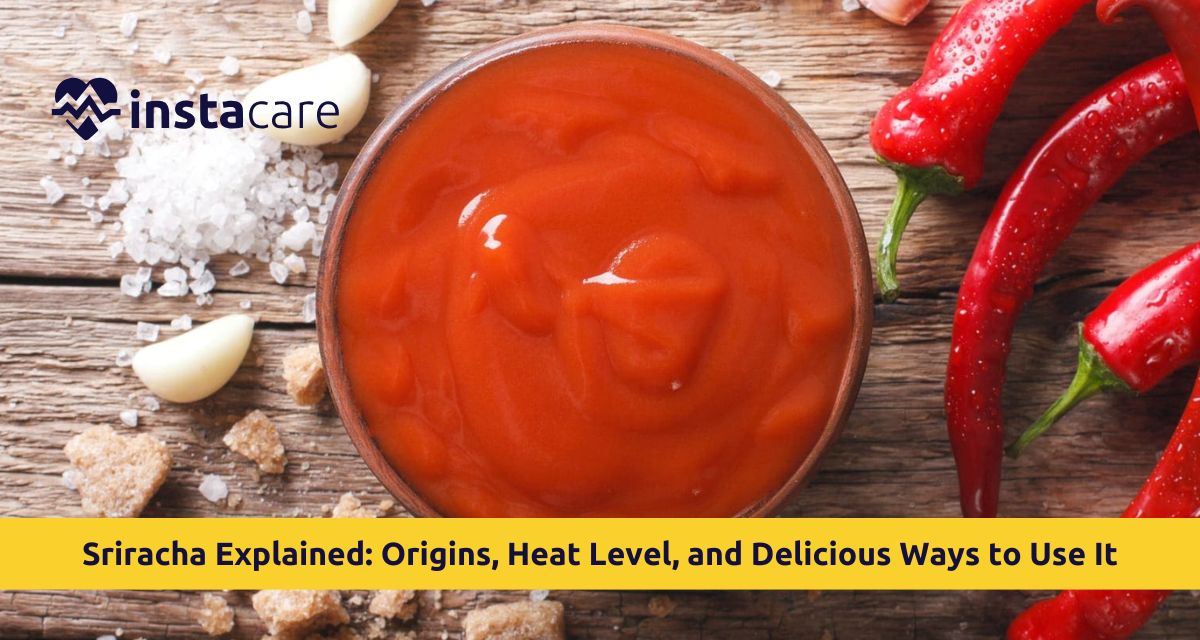
Sriracha is a rich, creamy hot sauce from Thailand, takes its name from the seaside town Si Racha. Sour and bold, this spread packs red chilies, garlic, vinegar, sweetness from sugar, plus a pinch of salt. Not runny like other spicy liquids, it flows slow, almost like tomato ketchup, so you can squirt it, pour lightly, or blend right in. Warmth hits mid-level but balances with sugary depth and salty richness, building layers that lift your meal without stealing the show.
The Rise of Huy Fong Sriracha
Sriracha history in the U.S. starts with David Tran, a man from Vietnam who settled here and launched Huy Fong Foods back in 1980. Instead of sticking strictly to old Thai methods, he tweaked the recipe so it'd suit how Americans like their flavors. That red chili sauce now shows up everywhere thanks to its bold rooster image and the green lid you can't miss.
Because of this look - and the taste - people far outside Asian neighborhoods started grabbing bottles, driving sales through the roof. By the early 2010s, sriracha blew up - showing up everywhere from big-chain eateries to grocery shelves, also sparking snacks that tasted just like it. That red chili bottle turned into a symbol for the hot sauce on its own; still, loads of companies today make their own spins.
Read More: 13 Side Effects Of Tomato Sauce
What Makes Sriracha Special?
The charm of sriracha comes from well-mixed components. Sriracha ingredients include red jalapeños that form the base, bringing mild spice along with vivid hue. Garlic gives sharp richness plus earthy layers. Vinegar adds sour kick while helping it last longer. Sugar cools down spice by adding a touch of sweet, whereas salt brings out the taste in food. A few cooking methods use additives or thickeners so things last longer on the shelf.
The sriracha Scoville level usually sits between 1,000 and 2,500 SHU, so it's not too hot - more on the gentle side with a little kick. Because of this, people who can't handle blazing spice might still enjoy it, yet folks craving some fire won't feel let down either. Compared to sriracha vs chili sauce, sriracha brings a richer texture, a stronger garlic taste, along with a mix of sweetness, zing, and tang that plays well together. While standard chili sauces differ a lot in form, they tend to focus mostly on raw heat instead of layered flavors. The distinct sriracha flavor comes from this unique balance.
Culinary Uses of Sriracha
Sriracha uses fit into almost any dish, no matter the time of day. Because it works so well in different recipes, people keep it close while cooking:
- When used as a topping, this sriracha sauce boosts flavor in eggs, subs, patties, pies with cheese, or spiced-up tortillas
- Combine it with creamy spread, then you've got a zesty mix ideal for dunking crispy sticks or layering between bread slices
- Swirl some into broths, simmered meals, or tangled noodles - it brings out richness and a slow kick
- Marinades gain depth thanks to sriracha's bold kick, softening meat while boosting taste - works just as well on fish or tofu
- When tossed into stir-fries, it brings both fire and shine to veggies and protein alike
- Some cooks toss it into wild spots like drinks, sweets, or frozen treats for a surprise zing
You'll spot it in dishes such as hot chicken wings, fiery sushi rolls, zesty stuffed eggs, or salmon brushed with spicy-sweet glaze.
Health Benefits of Sriracha
- Sriracha health benefits come from capsaicin - the thing that makes chilis hot. Because of it, your body might burn calories faster, which could help control weight.
- This ingredient gets blood moving better, possibly doing good things for your heart. Studies have hinted it can calm swelling and ease discomfort too.
- Sriracha nutrition facts show it packs just about 5 calories in every spoonful, so it adds taste without piling on energy.
- It's light on fats and proteins but tosses in tiny bits of vitamin A along with some C. Watch out though - the salt level is high, which matters if you're cutting back on sodium.
- Real garlic inside brings natural stuff like allicin, something that might help your body fight off bugs.
Global Popularity and Cultural Impact
Sriracha broke free from its Southeast Asian beginnings to go viral everywhere. Across the globe, it shows up in mixed-dish trends - think kimchi burritos or banh mi sandwiches. Platforms like Instagram boosted its fame, thanks to chefs online sharing quirky ways to use it. Eateries now highlight the red chili blend on their menus, responding directly to what diners keep asking for.
The spicy sauce sparked lots of offshoots - think sriracha-flavored chips, popcorn, sweets, or even candles that smell like it. Its reach into daily life shows how the stuff grew beyond a mere topping into something people live by. Other sriracha brand options jumped in after seeing its rise, creating their own versions, which gave buyers more options and proved just how big its influence really became.
How to Make Homemade Sriracha?
How to make sriracha means you can tweak how spicy it is, how sweet, also what thickness it turns out. Here's a simple sriracha recipe - you'll need red jalapeños or Fresnos, some garlic bits, vinegar from distillation, sugar stuff, plus salt - just those things.
Steps:
- Begin with taking off the tops of hot peppers - chop them up coarse, keeping seeds in for extra kick (toss the seeds if you want it less spicy)
- Mix those chopped peppers together with unpeeled garlic bits, some vinegar, sugar, plus salt into your blending machine
- Run it till everything's creamy; pour in a splash of water when it gets too thick
- Shift that mix into a small pot, cook on low heat about 5 to 10 minutes while giving it an occasional stir
- Let the sauce chill all the way before pouring it into clean, sterile containers
- It tastes better once kept cold for a day or two since that's when everything blends well
Homemade sriracha lets you pick what goes in it, tweak how spicy it gets, yet skip artificial stuff. Trying out various chilies brings unexpected tastes each time.
Storage and Shelf Life
Freshness lasts longer when sriracha's kept right. If unopened, store-bought kinds stay good a long time in dim, chill spots - vinegar holds off rot while salt helps too. After cracking the lid, tossing it in the fridge keeps taste sharp and stops gunk from forming; however, folks who use it daily often leave it out with no trouble.
Homemade sriracha needs to stay cold - usually good for about two to three months if you keep it sealed tight in clean jars. Watch out for weird smells, fuzzy spots, or big shifts in color; those mean it's gone bad. A little darkening can happen from air exposure, which isn't dangerous but might change how bold the taste feels.
Conclusion
Sriracha started in a small seaside place in Thailand, yet somehow exploded worldwide - proof that killer taste ignores borders. With just the right kick, rich garlic notes, and a zing of sweet-sour punch, it slides into almost any meal without missing a beat. Pick a store-bought bottle or whip up your own batch - it'll still bring that unmistakable edge to food. Know when to pour, where to stash it, and what to watch for health-wise so you can enjoy every drop safely.
If real sriracha's off the table, try swapping in best sriracha alternatives like sambal oelek, gochujang, or chili garlic blend - each brings its own twist while keeping things interesting. Looking for a sriracha substitute? These options work great.
Please book an appointment with the best Nutritionist in Lahore, Karachi, Islamabad, and all major cities of Pakistan through InstaCare, or call our helpline at 03171777509 to find a verified doctor for your disease.