What is Sturge-Weber Syndrome?
Sturge-Weber syndrome (SWS) is an uncommon neurological disease that leads to malformation of blood vessels in the brain, eyes and skin causing a port-wine birthmark, seizures and glaucoma. It is a non-inherited and random and is associated with a mutation in the gene, GNAQ, which takes place in the fetus as it develops. The symptoms are mild and severe and can include developmental retardation, headache, and stroke-like conditions.
This neurological disorder shows up unexpectedly - no relatives had it before. It comes from chance DNA shifts as the baby develops in the uterus. When abnormal blood vessels reach the brain's outer coverings (called leptomeningeal angioma), seizures can occur, together with thinking challenges or different nervous system troubles.
The Science Behind Sturge-Weber Syndrome
Sturge-weber syndrome causes kicks off when the GNAQ gene mutates randomly during fetal development. Rather than doing its usual job, this genetic mutation GNAQ switches on signals that interfere with how blood vessels form. These errors happen out of nowhere in a single cell at an early stage, so only certain areas of the body are affected.
In the brain, a leptomeningeal angioma disrupts circulation, possibly leading to seizures as well as slowed development. When eye structures are affected, glaucoma and sturge-weber syndrome tends to appear since abnormal blood vessels increase internal eye pressure.
Common Signs and Symptoms
Sturge-weber syndrome symptoms vary widely in intensity:
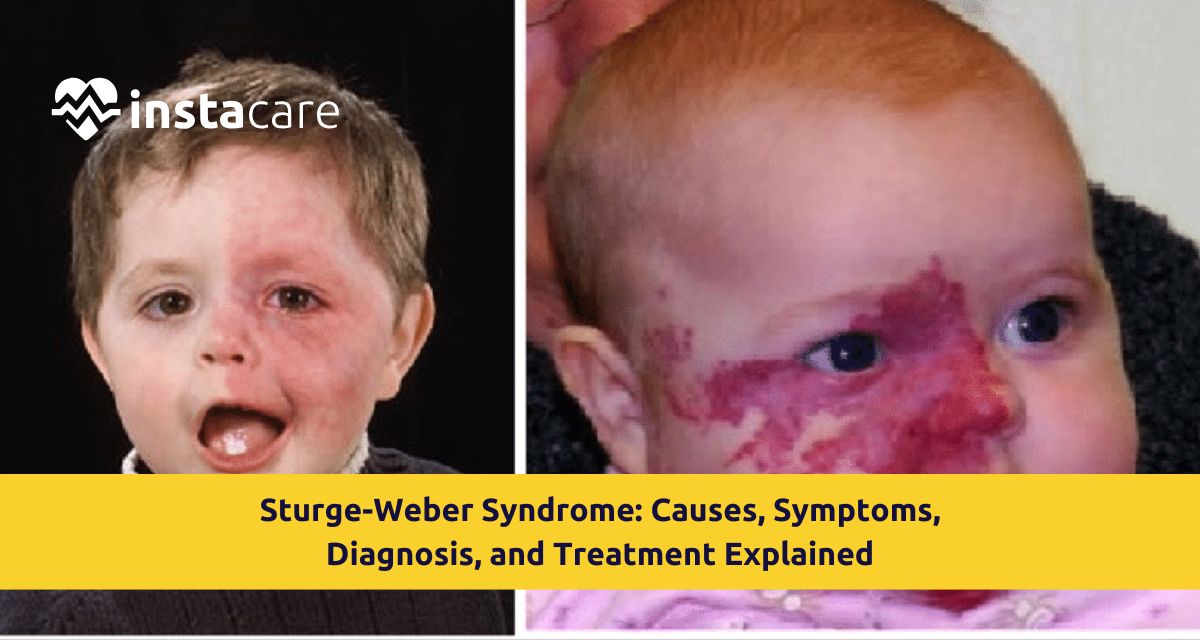
- Facial Birthmark: A port-wine stain birthmark appears right after birth - usually on one side of the face, like the forehead or upper eyelid - ranging from pink to red, sometimes dark purple; as time goes on, it tends to deepen in color. This facial angioma is the most visible sign.
- Neurological Symptoms: Seizures in sturge-weber syndrome tend to appear right away - most times when the baby's just months old - and that's the main nervous system problem. Progress doesn't flow steadily; setbacks jump in, throwing off motor control, speech, or how the mind works. If the facial port-wine stain covers one side of the face, muscle weakness typically lands on the other half of the body. Migraine-like headaches? They're common - plenty with SWS wrestle with them regularly.
- Eye Problems: Glaucoma and sturge-weber syndrome is serious - when eye pressure builds, vision can worsen unless treated.
- Cognitive Issues: As children develop with sturge-weber syndrome in children, difficulties in learning or shifts in behavior could begin appearing.
Types of Sturge-Weber Syndrome
SWS splits into three types based on where it lands:
- Type I (Classic SWS): Has a facial angioma - tied to brain abnormalities in sturge-weber syndrome causing growth delays, while also bringing ongoing eye pressure troubles.
- Type II: Comes with face birthmarks plus eye pressure, but the brain's fine - nerve problems rarely show up.
- Type III: Involves a blood vessel problem in the brain's outer layer - no facial birthmark appears. Since it's rare, it usually goes unnoticed until symptoms such as seizures in sturge-weber syndrome arise.
Read More: Guillain-Barré Syndrome (GBS): Symptoms, Causes, and Treatments
How is Sturge-Weber Syndrome Diagnosed?
Finding out about Sturge-Weber syndrome diagnosis involves checking every detail carefully:
- Clinical Examination: Noticing the classic port-wine stain birthmark often starts the process - particularly when it shows up on the forehead or near the upper eyelid.
- Neuroimaging: MRI with contrast revealing leptomeningeal angioma alongside brain abnormalities in sturge-weber syndrome - like calcified areas along with oddly shaped blood vessels. On the flip side, CT scans often pick up the classic "tram-track" pattern of calcium buildup.
- Ophthalmologic Evaluation: A complete exam measures inner eye pressure to catch glaucoma and sturge-weber syndrome, inspects the retina for choroidal angiomas, while tracking how well vision is developing.
- Electroencephalogram (EEG): This approach detects odd electrical activity in the brain, possibly signaling seizures.
Complications Associated with SWS
Unmanaged or ignored SWS could lead to serious problems:
- Vision Loss: When glaucoma progresses unchecked, it damages the optic nerve - without proper attention, eyesight might slowly disappear.
- Developmental Delays: Seizures not responding to therapy in sturge-weber syndrome in children might lead to steady decline in brain performance - also weakening cognitive skills over time.
- Stroke-Like Episodes: May occur if brain blood flow misbehaves - resulting in temporary or ongoing nervous system issues.
Treatment and Management Options
Sturge-weber syndrome treatment care works best when experts join forces - each bringing their own skills into play:
- Seizure Management: Lots of folks dealing with sturge-weber syndrome find that anti-seizure meds can control their episodes - but if pills fall short, going under the knife to remove affected parts of the brain may come up. Meanwhile, tossing in low-dose aspirin now and then might reduce stroke-like risks while also helping mental sharpness stick around longer.
- Glaucoma Treatment: Glaucoma and sturge-weber syndrome treatment usually begins with eye drops that reduce inner eye pressure; when they fall short, doctors may turn to laser therapy. For more serious situations, going under the knife can help keep things under control.
- Laser Therapy for Port-Wine Stains: Laser treatment helps lighten port-wine stain birthmarks, so skin appears smoother - might also reduce complications over time. Earlier sessions tend to bring better results, simply because timing plays a role.
- Developmental Support: Physical therapy supports better movement and helps when one side of the body is weaker. At the same time, occupational therapy improves skills needed for daily activities. In contrast, speech therapy makes talking and interacting easier for kids. In school, customized methods give learning an extra boost.
- Regular Monitoring: Looking at the nervous system once in a while helps track seizures in sturge-weber syndrome while also spotting how abilities develop. Eye visits every now and then keep an eye on fluid pressure behind the eyeball. Scans of the brain every couple months reveal how things change over weeks.
Living with Sturge-Weber Syndrome
Sturge-weber syndrome management goes beyond pills; therapies can help as well:
- Support Networks: Talking with people facing SWS eases loneliness - plus, you pick up practical advice. Orgs like the Sturge-Weber Foundation offer resources along with chances to link up.
- Educational Planning: Creating school schedules - working alongside educators to build tailored learning steps gives students the help they require.
- Emotional Well-Being: Talking about emotions tied to visible birthmarks boosts mental health, while at the same time helping children build better relationships.
Research and Future Advances
Right now, research gives hope for folks dealing with the Sturge-Weber syndrome prognosis. Since scientists are diving into fixes linked to the genetic mutation GNAQ route, fresh approaches may handle blood vessel problems in a sharper way. With studies digging into how seizures in Sturge-Weber syndrome form, drugs could target those sparks head-on before long.
Prevention and Risk Factors
At this moment, SWS isn't blocked by anything - it shows up when a random shift happens in the genetic mutation GNAQ as the fetus develops. Because moms and dads don't hand this down, if one child has it, the next one won't automatically end up with it either.
Conclusion
Sturge-Weber syndrome throws serious challenges your way - yet thanks to advances in medicine and coordinated support, daily living keeps improving gradually. When doctors notice the distinct port-wine stain birthmark early, run thorough sturge-weber syndrome diagnosis, then handle seizures in sturge-weber syndrome, glaucoma and sturge-weber syndrome risks, and school-related hurdles without delay, outcomes often turn around.
Because consistent sturge-weber syndrome treatment teams stick close through each phase, many individuals with SWS end up leading full, engaged lives. Understanding sturge-weber syndrome symptoms alongside proper sturge-weber syndrome management creates better sturge-weber syndrome prognosis for affected families.
Please book an appointment with the best Neurologist in Lahore, Karachi, Islamabad, and all major cities of Pakistan through InstaCare, or call our helpline at 03171777509 to find a verified doctor for your disease.