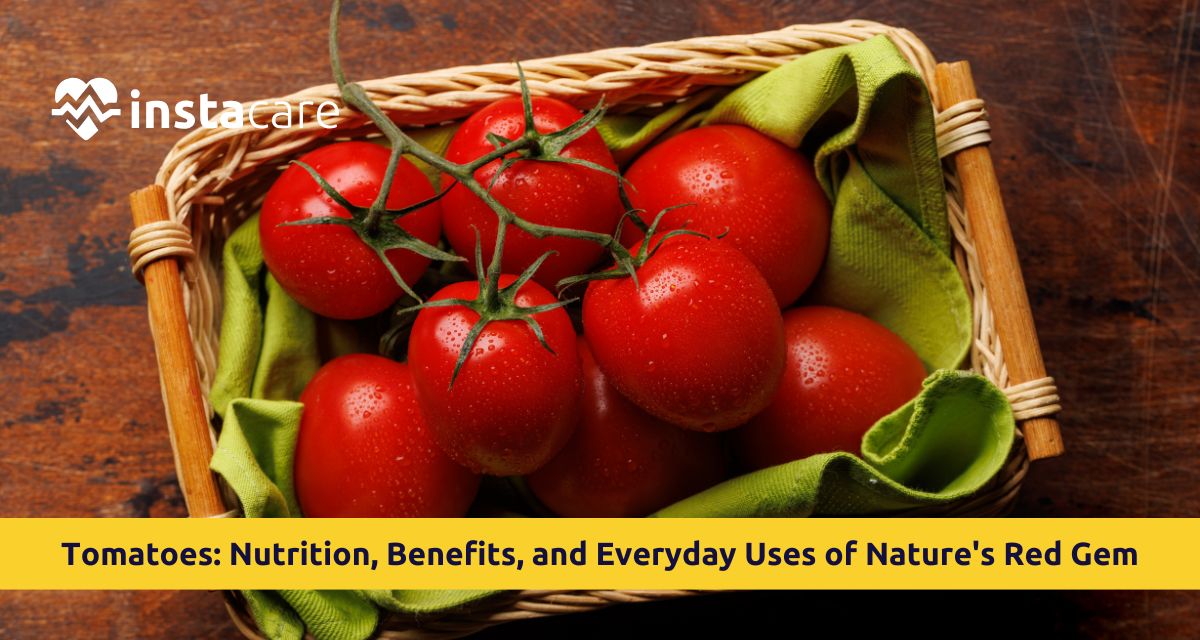
What Are Tomatoes?
Culinary preparation though technically a vegetable, tomatoes belong to the nightshade family. Originally domesticated in South America, tomatoes are today an export crop cultivated for cultivation in nearly breathtakingly diverse range. Cherry tomatoes barely thumb-sized to beefsteaks near palm-sized, the different types of tomatoes now differ in disparate flavors, textures, and uses. Red, yellow, orange, purple, there's always room to add in each category without sacrificing on the nutritional goodness that makes tomatoes just great.
Nutritional Value of Tomatoes
Tomato nutrition facts reveal the secret tip on why tomatoes are a superfood. A medium tomato has just 22 calories but loads of nutrients in tomatoes. Tomatoes have vitamin C providing nearly 28% daily value and vitamin K for attaining bone security. Tomatoes have potassium for heart system well-being, folate for cell expansion, and vitamin A for vision.
Lycopene is the most potent vitamin found in tomatoes and is a highly potent antioxidant. It is. Tomatoes' color. The molecule contains. Amazing health-protective activities. Tomatoes contain beta-carotene and chlorogenic acid in high levels, and they are responsible for their pharmacology. Tomatoes consist of 95% water content and health-protective fiber that release water and health-protective activities on the gastrointestinal tract.
Health Benefits of Tomatoes
- Heart Health Tomato and heart go hand in hand. Lycopene suppresses the oxidation of LDL cholesterol and decreases heart disease risk. Potassium lowers blood pressure, and the folate lowers homocysteine level accountable for cardiovascular disease. Tomatoes and heart health connection is well-established through scientific research.
- Prevention of Cancer It has been proven through research that lycopene suppresses prostate, lung, and stomach cancer. Tomatoes and lycopene have antioxidants that kill free radicals, the perpetrators responsible for cell killing, and can stimulate cancer growth.
- Skin Care Tomatoes are not entirely useless when applied to the skin. Lycopene possesses anti-UV and aging defense. Vitamin C assists in collagen development for the smoother, younger-looking skin. Tomato pulp applied to the skin closes the pores, evening out the oiliness and naturally fading skin.
- Weight Control As a cook-school student of the tomato, the low-calorie, high-fiber fruit is filling without additional calories. They're water that's full and suppresses your appetite for other foods. They are good to eat on a tomatoes for weight loss diet.
- Vision Health Beta-carotene, lutein, and zeaxanthin in tomatoes are eye protectors and potentially can delay age-related macular degeneration and cataracts.
Culinary Uses of Tomatoes
The diversity of tomatoes is the answer to why they're on every shelf in every kitchen. Sliced, cherry, and grape tomatoes provide texture and color to salads, salsas, and sandwiches. Heirloom tomatoes are diced to serve the old-fashioned way to create Caprese salad. Diced tomatoes explode with freshness on tacos and bruschetta.
- Tomato-based foods are royalty food. Tomato sauces are all Italian food is all about, to be served along with pasta and pizza. Indian curry is of tomato, and Mexican food is tomato-based in enchiladas and even pozole. Tomato paste is sturdevener in stews, and crushed tomatoes are bases of soup.
- Tomato juice benefits extend far beyond drinking—steam rice with it, deglaze pans with it, or add flavor to Bloody Marys. Sun-dried tomatoes add robust Mediterranean flavor, and roasted tomatoes add sweet caramelized richness.
- Raw tomatoes vs cooked tomatoes contains some surprising information: raw tomatoes contain more vitamin C, but cooking doubles the lycopene bioavailability to 35%, so both are worthwhile.
Read More: What Are The Benefits Of Tomatoes for lower blood pressure?
Tomatoes for Skin and Beauty
Beyond being eaten, tomatoes are also home beauty treatments. Oily skin is their ideal target since they possess astringent properties that pinch and constrict sebum action for it. Natural acids persist in shedding dead skin cells, revealing brighter skin beneath. Tomatoes for skin applications have been used for generations.
Create a simple tomato face pack by blending ripe tomato and apply 15 minutes and wash off. In oily skin, combine tomato juice with honey to incorporate antibacterial activity. Lycopene and vitamins combat free radical damage and fine lines and wrinkles and thus do not crystallize.
Tomatoes for hair growth are also able to a considerable degree. Vitamins can make follicles immune and impart healthy scalp conditions. External application of tomato juice on the scalp is able to control dandruff and impart natural shine.
Growing Tomatoes at Home
Homegrown tomatoes produce fresh-picked, pesticide-free fruit. Begin with quality seedlings in well-draining ground and full sun at least 6-8 hours per day. Tomatoes must be watered regularly, particularly when the fruit is being produced. Don't header.
- Determinate for bush type or indeterminate for continuous harvest
- Stake or cage to support because vines drain
- Suckers need to be removed to channel energy into fruiting
Their worst pest insects are aphids and hornworms, and they are managed using companion planting organically or with basil. Harvest tomatoes fully colored and slightly soft to soft touch for maximum flavor and nutrition.
Possible Side Effects and Precautions
While there are a few benefits, proof about side effects of eating too many tomatoes avert controversy. Acidity causes acid reflux or heartburn in some people. Gastroesophageal reflux disease patients must use them prudently.
There are histamines present in tomatoes that will cause allergic responses—hives, itchiness, or stomach cramps—on some people. Unripe green tomatoes will cause nausea when consumed in quantity.
Kidney stone patients need to be cautious since tomatoes have a high level of oxalates that will definitely cause stones to form. Blood thinner drug abusers need to be prescribed daily in proper consumption of tomatoes since vitamin K is required for drug activity.
Moderation is always best. Tomatoes are such gems, but too many cause lycopenemia—benign orange pigmentation discoloration of the skin, which can be reversed if one stops taking them.
Fun Facts About Tomatoes
Tomatoes also possess a small history and trivia about them. Tomatoes were also thought to be poisonous by Americans and were not welcomed warmly until the 1800s. The largest tomato in the world was 10.5 pounds! Spain also has an annual festival named La Tomatina where they have massive tomato battles. Botanically, a tomato is a berry. More tomatoes are produced in China than any other nation on the planet. The "tomato, tomahto" joke is only a matter of pronunciation difference.
Conclusion
Tomatoes richly earn their status as nutritional giants and food legends. From heart and skin-feeding to providing limitless potential for food preparation, these utilitarian fruits enhance life in so many varied ways. Whether you snack on raw wedges in frayed-winter salads, indulge in rich tomato sauces, or savor home-grown tomatoes, tomatoes and lycopene nourish body and tease pleasure taste buds simultaneously. Reap the wholesomeness of tomatoes and let them enter your life your body will thank you for it.
Please book an Online appointment with the best Nutritionist in Lahore, Karachi, Islamabad, and all major cities of Pakistan through InstaCare, or call our helpline at 03171777509 to find the verified doctor for your disease.