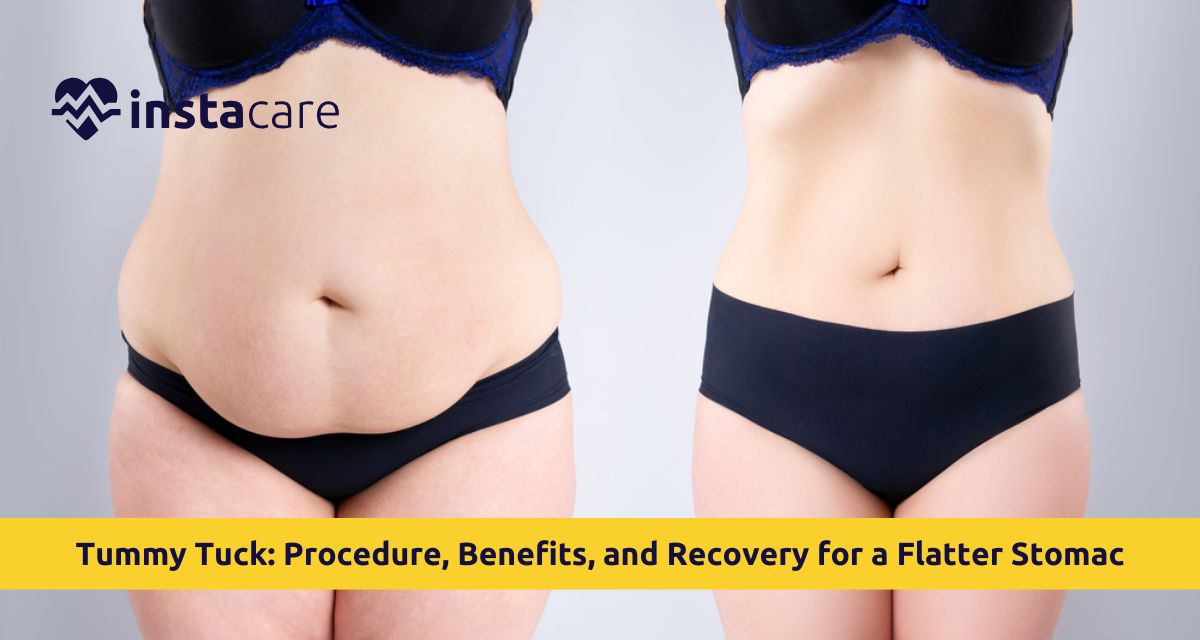
What is a Tummy Tuck?
Abdominoplasty is a surgical technique developed to remove excess skin and fat from the abdominal region and reconstitute supported or reconstructed muscles. Liposuction merely takes the fat away, but tummy tuck surgery really reshapes the entire middle. It is particularly beneficial for people who have lost considerable weight, have experienced repeated pregnancy, or have experienced typical aging that resulted in loose, hanging skin which cannot be improved with physical exercise.
Types of Tummy Tuck Procedures
Full Tummy Tuck
A full tummy tuck addresses the whole abdominal area from ribcage
to pubic line. The incision includes transverse lower abdomen and horizontal
cut. The loose skin and fat are removed, and the cut muscles of the abdomen are
joined and tightened. The belly button is relocated. The whole procedure makes
drastic changes for people with extreme looseness of skin.
Mini Tummy Tuck
Mini tummy tuck is only done on the part of the abdomen below the
belly button. Through a small incision and without moving the belly button,
this less dramatic operation is suitable for those with minimal excess skin
confined to the lower abdomen. Recovery time will usually be less than for
complete procedure.
Extended Tummy Tuck
Individuals requiring more contouring, the extended tummy tuck
also fixes the lower abdomen, sides, and lower back. The incision is curved
around the hips to be able to take more areas of skin from an enlarged area,
ideal for bariatric patients.
How the Tummy Tuck Procedure Works?
Understanding the steps of a tummy tuck eliminates mystique as to
what is involved in the procedure. The tummy tuck procedure steps include
surgery lasting from two to five hours under general anesthesia. The physician
makes a first cut down the lower abdominal area, ideally along the line where
underwear would sit so it will not scar.
Here, abdominal muscles are divided from skin, muscle separation (diastasis recti) is fixed, and fat is eliminated. Excess skin is drawn downwards, trimmed, and the remaining skin sewn in position. New belly button opening is created with complete tummy tucks where the navel is moved for natural appearance. The drainage tubes are typically left behind to stop fluid collection in the early stages of healing. The wound is closed, and a compressive dressing in the form of clothing is placed on it to enhance healing tissue.
Benefits of a Tummy Tuck
The tummy tuck benefits are not only aesthetic. Physically, the
patient is left with a flatter, more streamlined abdominal area with improved
body contour and improved-fitting garments. The procedure also causes muscle
separation to tighten up, which can improve posture and alleviate back pain
that may develop with weakened core strength muscles.
For most women who have undergone a post-pregnancy tummy tuck, the procedure restores pre-baby confidence. The procedure can remove sagging pouches as well as loose pouches that still exist, despite rigorous fitness regimens. Some patients report improved bladder control as tightened abdominal muscles provide a firmer support for the pelvic area. Psychologically, the transformation is also mentioned to produce more self-esteem, increased physical activity, and improved quality of life.
Read More: How To Reduce Tummy After C Section Naturally
Recovery Process and Aftercare
It is not easy to recover from tummy tuck and takes willpower and
patience. The tummy tuck recovery process involves the first week being one of
pain, swelling, and limited mobility. Patients are originally told to walk in a
slightly bent posture so as not to pull wounds. Patients are mainly back to
light exercise in two weeks, with rigorous exercise still forbidden six to
eight weeks.
Compression stockings must be worn day and night for a period of four weeks at least to prevent swelling and stabilize healing tissues. Drainage tubes, if used, typically may be removed in one or two weeks. Pain medication manages pain in the early healing phase.
Total tummy tuck results are apparent three to six months after
swelling has fully subsided. Tummy tuck scars continue to fade until one year,
even though the scars are irreversible. Strict following of surgeon
recommendations makes huge differences in end results.
Possible Risks and Complications
As with any surgical process, there are possible tummy tuck
complications. Bleeding, infection, and anaesthesia sensitivity are typical
risks. Tissue necrosis or wound separation may be caused by bad healing at worst.
Hematoma and seroma are where they can be drained.
Abdominoplasty scarring is possible and permanent, but training
surgeons make incisions in less conspicuous sites. Numbness or altered
sensation to the abdominal wall in a few patients may be temporary or
permanent. Suboptimal scarring or asymmetry sometimes necessitates revision
surgery.
Having a board-qualified plastic surgeon with extensive experience with abdominoplasty reduces the risk for complication.
Non-Surgical Alternatives to a Tummy Tuck
For individuals preferring less invasive procedures, numerous
non-surgical tummy tuck options exist though results are not as extreme.
Tummy-contouring procedures such as CoolSculpting freeze and kill fat cells
without the need for surgery. Radiofrequency and ultrasonic therapies tighten
skin by stimulating the production of collagen.
Focused electromagnetic high-energy technology induces muscle growth and burns fat. To tummy tuck vs liposuction and alternatives, surgery alone can remove wide ranges of excess skin and retighten severed muscles. For those who have minor problems, elastic healthy skin, and modest expectations of small instead of dramatic change, non-surgical treatments are indicated.
Tips for the Best Results
Optimization of abdominoplasty result begins preoperatively. The
patient achieves and maintains a stable weight since abrupt weight change
subsequent to the procedure may compromise results. Refrain from smoking at
least six weeks prior to and after the procedure since nicotine retards
healing. Family planning is addressed prior to abdominoplasty since pregnancy
subsequent to surgery erases the result.
Choose a board-certified, highly trained plastic surgeon and definitively state your wishes through consultation. Follow all pre-op instructions, including medications and fasting. Post-operatively, carefully follow activity restrictions, utilize compression stockings as needed, and adhere to a health diet in an effort to maximize healing. Long-term, maintain your investment by keeping weight stable through diet and following exercise, and protect scars from the sun with SPF.
Conclusion
A tummy tuck is life-altering for those patients whose abdominal
muscles are lax and facial skin won't tighten with traditional means. Although
abdominoplasty involves lengthy recovery periods and is fraught with inherent
surgical risks, most patients find the extreme physical and psychological
payoff well worth the bother. Through doing your homework on the procedure
thoroughly, opting for an experienced practitioner, and being realistic about
what you anticipate, you are able to make a decision you feel secure making
regarding whether or not this life-changing surgery is something you require
cosmetically.
Please book an Online appointment with the best Plastic Surgeon in Lahore, Karachi, Islamabad, and all major cities of Pakistan through InstaCare, or call our helpline at 03171777509 to find the verified doctor for your disease.